
Kitchen item guide
Electric pressure multicooker: choosingusing and caring for it
Use an electric pressure multicooker with the right liquid, food limits and release method for daal, beans and meat dishes.
DailyLife.pk kitchen equipment collection
Pressure cooking with electronic control
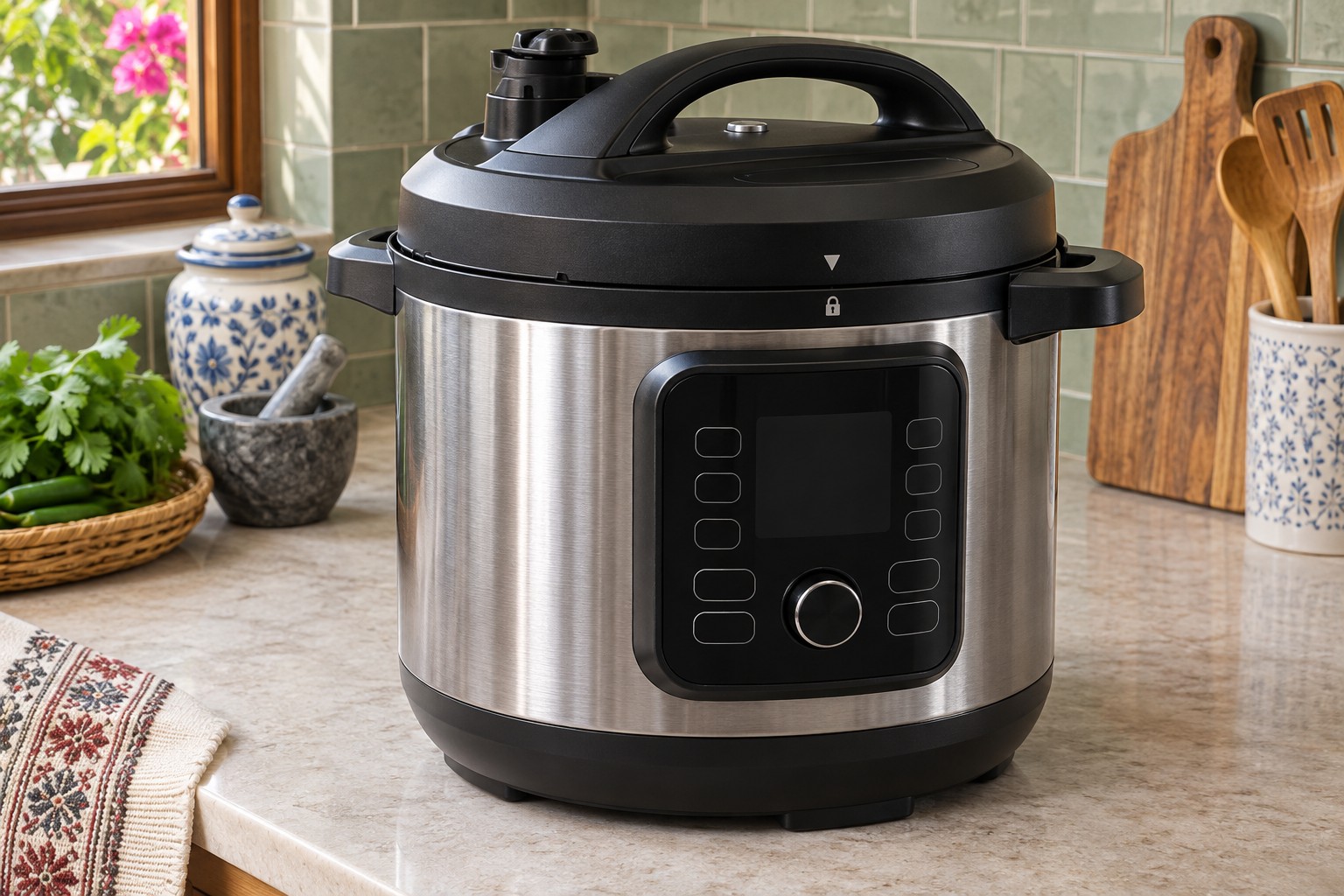
An electric pressure multicooker heats a removable inner pot inside a powered base and uses a locking pressure lid for approved pressure programmes. Many models also offer sauté, steaming, slow-cooking or other functions. Each mode has distinct lid and operating requirements. A multi-use label does not mean every function works with the same setup.
For Pakistani cooking it can help with suitable daal, chana and meat recipes, while a sauté function may allow parts of the masala preparation in the same inner pot. Total meal time includes heating to pressure and releasing pressure, not only the number on the cooking display. Choose it when those workflows fit the household, rather than expecting every dish to finish in the displayed pressure-cook minutes.
Capacity and controls before programme count
Check usable capacity and separate limits for food that expands or foams. Rice, beans and some lentils need more headroom than an ordinary stew. Instant Pot's pressure-safety guidance explains reduced fill for expanding foods and the importance of releasing pressure before opening. Use the exact model's markings and approved recipes instead of applying a single maximum to all ingredients.
As an editorial comparison, list a normal chana batch and a family meat curry, then check the approved quantities and minimum liquid. Compare the release control's accessibility, lid handling and the availability of genuine seals, valves and inner pots. A large appliance is not automatically easier for a small batch. Confirm local electrical suitability, warranty and a service contact for an imported unit.
Inspect the pressure path every time
Before use, disconnect as instructed and inspect the sealing ring, lid components, pressure indicator, release valve and anti-block parts according to the manual. Fit the correct clean parts and ensure the inner pot is present. Dry its exterior and the base contact area. Never put ingredients directly into the electrical housing. Do not use a damaged or substituted seal simply because it seems close in diameter.
Build the recipe with the stated liquid and fill limits. Thick sauces and food stuck after sautéing can interfere with a recipe's heating performance, so follow the approved deglazing and layering instructions. Do not improvise pressure frying with oil. Set the lid and release control as the selected programme requires; some non-pressure modes use different lids or settings. Keep the steam outlet clear of cabinets, faces and reaching hands.
Release according to the recipe
Start the approved programme and remain able to respond to faults. Do not move or lift the cooker while it is pressurised unless its exact instructions explicitly provide a safe method. At the end, use the release procedure specified for the model and food. Natural release and quick release are not interchangeable shortcuts, particularly for foods that foam or spatter.
Instant Pot's FAQ distinguishes release methods. Follow the model's indicator and opening checks; a timer reaching zero does not prove pressure is gone. Never force a resistant lid or place a cloth over a valve to suppress steam. If food spurts from release, follow the manufacturer's recovery instructions without reaching into the steam path. Open the depressurised lid away from the face and check the food's cooking result.
Clean the lid and preserve safety parts
Disconnect, cool and clean the inner pot and detachable lid components by their individual instructions. Remove food residue from approved valve and anti-block parts without modifying them. Dry and reassemble carefully, and keep the base out of water. Inspect the seal for wear or damage and replace it with the documented part when required. Keep a spare only if it is genuine or explicitly approved and stored in good condition.
A damaged lock, deformed inner pot, persistent pressure fault, torn seal or malfunctioning release needs qualified support. Do not bypass an error or dismantle safety systems beyond permitted maintenance. No fixed service life applies to every model. The multicooker offers controlled pressure cooking and several useful modes, but adds lid cleaning, electrical dependence and release discipline. A stovetop pressure cooker can serve similar recipes with different supervision and heat control, while an ordinary pot offers simpler access at the cost of a different cooking schedule. Buy only when you are willing to learn the exact pressure system.
Frequently Asked Questions
Can I open it when the timer ends?
Only after the manual’s full depressurisation and opening checks are satisfied. Never force the lid.
Can every food use quick release?
No. Foaming, expanding and other foods may require a particular release method.
Can I deep-fry under pressure?
Do not improvise pressure frying. Use only the appliance’s approved cooking methods.
How we know this
- Type Explainer
- Sources 4
- Reviewed November 2026
- Disputed points None
4 sources
- Pressure cooker safety, Instant Pot
- Frequently asked questions, Instant Pot
- Pressure cooking safeguards, Instant Pot
- Electrical safety in the kitchen, Electrical Safety First
Photo credits (1)
- Electric pressure multicooker with stainless cylindrical body, correctly fitted locked lid with small steam valve, control panel dark, unused and off., DailyLife.pk, All rights reserved
