
Ingredients & Spices · The complete guide
Oven fries
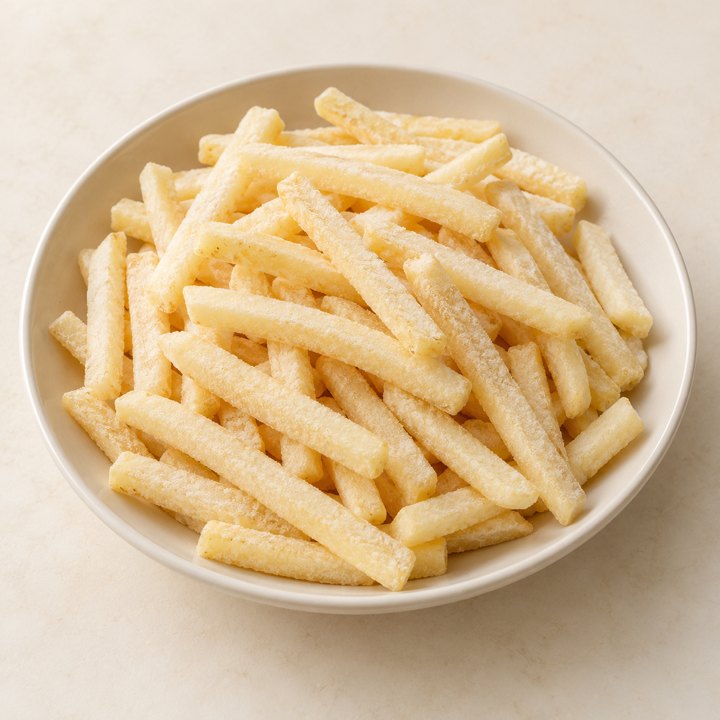
Oven fries are potato sticks cooked in an oven; packaged versions may be blanched, coated or partly fried before freezing.
What is oven fries? Names, flavour and types
Oven fries are potato sticks cooked in an oven; packaged versions may be blanched, coated or partly fried before freezing. Its eating character is crisp outside and fluffy inside when cooked correctly, with oil and coatings influencing flavour.
The main forms to recognise are fresh-cut uncoated wedges, thin chips and frozen coated fries with different oil levels. Choose the form and ripeness specified by the recipe.
Origins, cultivation and the Pakistan market
Potato domestication began in the Andes; oven fries are a modern cooking format rather than a separate crop. The relevant botanical or crop background is documented in FAO/WHO Codex — Quick-frozen vegetables.
Growing conditions and producing countries: Manufacture uses processing potatoes; large industries operate in Belgium, the Netherlands, Canada and the United States. Locally made and imported frozen products are sold; ingredients and halal-sensitive seasonings must be checked by pack. Frozen fries are a processed potato product, not a separate vegetable variety. The factory may use coating, oil and seasoning before freezing, so oven cooking alone does not establish the product’s fat content. Compare the ingredient list and nutrition label on the actual pack.

How to prepare, cook and substitute it
Spread in a single layer on a hot tray, turn as needed and follow pack directions. Fresh potatoes should be dried thoroughly before oiling so they roast rather than steam
No. Some frozen fries have already been partly fried or coated with oil before packing. The oven determines the final cooking method, while the ingredient list and nutrition label reveal what is already in the product. Check portion size as well as the figures per hundred grams. For homemade wedges, drying the surface and spreading a single layer can improve the result without repeatedly adding oil. Stop at a light golden colour; a dark brown crust is not a necessary sign of crispness.
Thickness and spacing control the result. Very thick wedges need enough time for the centre to cook, while thin ends darken quickly. Do not overcrowd the tray or put a frozen block of stuck-together pieces directly into the oven. Follow the product’s stated oven temperature and turn the pieces when directed. A fan oven and a conventional oven can require different settings. Salt at the point recommended by the recipe, and assess doneness by both a tender centre and a light golden surface rather than by dark colour alone.
A useful starting substitute is homemade potato wedges, or sweet potato wedges with a softer, sweeter result. Adjust the recipe for the replacement’s texture and moisture.
Buying and storing it well
Look for intact frozen packaging without evidence of thawing; compare fat and sodium per serving. Buy an amount that can be used while its texture is still suitable for the intended dish. Trim away ordinary damaged portions where appropriate, but reject a product showing active decay or an abnormal smell rather than hiding it in a strongly spiced preparation.
For storage, keep frozen until cooking; refrigerate leftovers promptly and reheat thoroughly. Keep prepared portions separate from unwashed produce and raw animal foods. Use a clean covered container for cut or cooked food, and label frozen portions so the oldest batch is used first. The condition at purchase, kitchen temperature and packaging all affect keeping quality; a fixed number of days is not a guarantee of safety.
Nutrition, benefits and practical cautions
The nutritional contribution is starch, potassium and some fibre, with fat and sodium varying widely by preparation. USDA FoodData Central distinguishes raw, cooked, dried and processed forms. Recipe totals must also account for added oil, cream, sugar or syrup.
Cook to golden yellow rather than dark brown to limit acrylamide formation; check coatings for wheat allergens. The relevant precaution is explained by FDA — Acrylamide and food preparation. Its role in a balanced meal depends on portion size and preparation. Whole foods and concentrated supplements are different products and should not be treated as interchangeable.
Recipes using oven fries
Use the linked recipes to match preparation to the finished dish. Check whether the ingredient quantity means whole purchased weight, peeled edible weight, drained weight or a cooked portion before shopping. This is especially helpful when a recipe needs a thick filling or a carefully balanced drink.
For related Urdu names, pantry ingredients and cooking combinations, see the Pakistani ingredients and spices guide.
Names and forms used in our recipes
View the recipe names covered by this guide
- frozen oven fries
Frequently Asked Questions
Does oven cooking make every frozen fry low in fat?
No. Some frozen fries have already been partly fried or coated with oil before packing. The oven determines the final cooking method, while the ingredient list and nutrition label reveal what is already in the product. Check portion size as well as the figures per hundred grams. For homemade wedges, drying the surface and spreading a single layer can improve the result without repeatedly adding oil. Stop at a light golden colour; a dark brown crust is not a necessary sign of crispness.
How should I store oven fries?
Keep frozen until cooking; refrigerate leftovers promptly and reheat thoroughly.
What should I consider before serving oven fries?
Cook to golden yellow rather than dark brown to limit acrylamide formation; check coatings for wheat allergens.
Keep Exploring
Related places and stories on DailyLife.pk

How we know this
- Type Explainer
- Sources 5 (3 official/academic)
- Reviewed November 2026
- Disputed points None
5 sources
Photo credits (1)
- I-11 Sabze Mande, Islamabad.jpg, Pakieditor, CC BY-SA 4.0, via Wikimedia Commons
