
Ingredients & Spices · The complete guide
Fruit cocktail
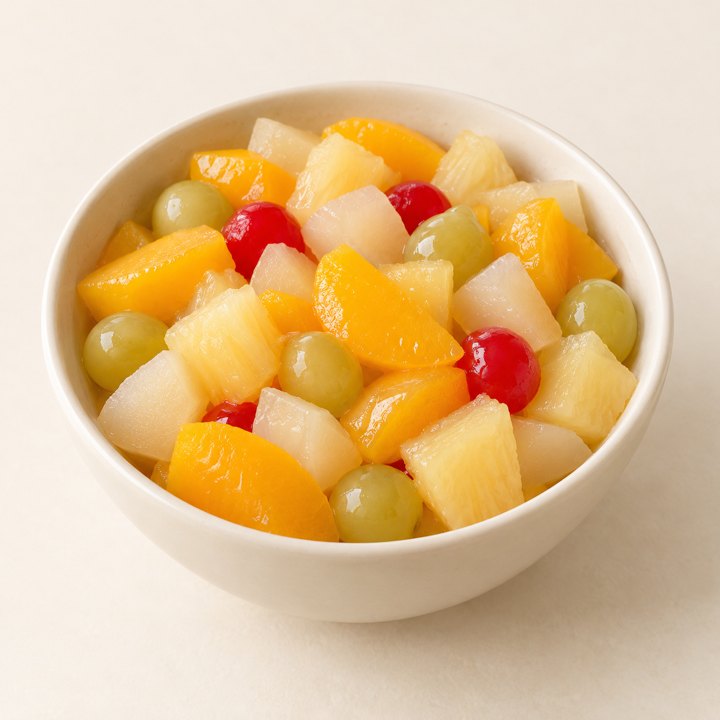
Fruit cocktail is a processed mixture of cut fruit in water, juice or syrup rather than one botanical ingredient. Its eating character is soft mixed textures and a generally sweet flavour determined by the packing medium.
What is fruit cocktail? Names, flavour and types
Fruit cocktail is a processed mixture of cut fruit in water, juice or syrup rather than one botanical ingredient. Its eating character is soft mixed textures and a generally sweet flavour determined by the packing medium.
The main forms to recognise are canned mixes often contain peach, pear, pineapple, grapes and coloured cherries, but composition varies. Choose the form and ripeness specified by the recipe.
Origins, cultivation and the Pakistan market
Commercial fruit mixing became practical with the development of industrial canning; individual fruits have separate domestication histories. The relevant botanical or crop background is documented in FAO/WHO Codex — Canned Fruit Cocktail.
Growing conditions and producing countries: Made by processors using orchard and tropical fruit supplies; China, Thailand, Greece and other countries have canning industries. A convenient shelf-stable ingredient for lab-e-shireen, trifle and custard. Canning countries may process domestic fruit or imported raw material. The brand address, manufacturing country and fruit origin can therefore differ. For a household purchase, compare the fruit mixture, drained weight, packing liquid and ingredient list rather than assuming all tins of equal size are equivalent.

How to prepare, cook and substitute it
Drain before folding into a cooled dessert. Cut oversized pieces smaller; add packing liquid only when the custard or jelly recipe allows extra sugar and water
Drain the fruit well and cool the custard base before folding the pieces through. Hot custard can soften the fruit further, while extra syrup loosens the finished dessert. Cut pieces into a consistent spoon-sized dice if the mix contains oversized halves or chunks. Reserve the packing liquid for another measured use instead of automatically tipping it into the bowl. Because fruit cocktail already supplies sweetness, taste the complete chilled dessert before adding any further sweetener or sweetened cream.
The packing liquid is part of the product, but not necessarily part of the recipe. Drain in a sieve and allow a few minutes for excess liquid to run off before adding fruit to cream, jelly or custard. A recipe measured by drained fruit weight will be more reliable than one measured by the weight of the whole can. If replacing a syrup pack with a juice pack, taste before adjusting sugar; the dessert may already contain enough sweetness from its other ingredients. Keep a clean spoon for removing portions.
A useful starting substitute is a homemade mix of firm seasonal fruit, adjusting for softer bananas and strongly flavoured mango. Adjust the recipe for the replacement’s texture and moisture.
Buying and storing it well
Look for sound cans or jars; inspect the ingredients for fruit percentages, syrup and colouring. Buy an amount that can be used while its texture is still suitable for the intended dish. Trim away ordinary damaged portions where appropriate, but reject a product showing active decay or an abnormal smell rather than hiding it in a strongly spiced preparation.
For storage, store sealed packs as directed; refrigerate opened fruit in a covered food-safe container. Keep prepared portions separate from unwashed produce and raw animal foods. Use a clean covered container for cut or cooked food, and label frozen portions so the oldest batch is used first. The condition at purchase, kitchen temperature and packaging all affect keeping quality; a fixed number of days is not a guarantee of safety.
Nutrition, benefits and practical cautions
The nutritional contribution is a mixture of fruit carbohydrate and some fibre; syrup can substantially increase sugar. USDA FoodData Central distinguishes raw, cooked, dried and processed forms. Recipe totals must also account for added oil, cream, sugar or syrup.
Reject bulging, leaking or badly seam-damaged cans; mixtures can contain an unexpected fruit allergen. Its role in a balanced meal depends on portion size and preparation. Whole foods and concentrated supplements are different products and should not be treated as interchangeable.
Recipes using fruit cocktail
Use the linked recipes to match preparation to the finished dish. Check whether the ingredient quantity means whole purchased weight, peeled edible weight, drained weight or a cooked portion before shopping. This is especially helpful when a recipe needs a thick filling or a carefully balanced drink.
For related Urdu names, pantry ingredients and cooking combinations, see the Pakistani ingredients and spices guide.
Names and forms used in our recipes
View the recipe names covered by this guide
- canned fruit cocktail
Frequently Asked Questions
How can fruit cocktail be added to lab-e-shireen without thinning it?
Drain the fruit well and cool the custard base before folding the pieces through. Hot custard can soften the fruit further, while extra syrup loosens the finished dessert. Cut pieces into a consistent spoon-sized dice if the mix contains oversized halves or chunks. Reserve the packing liquid for another measured use instead of automatically tipping it into the bowl. Because fruit cocktail already supplies sweetness, taste the complete chilled dessert before adding any further sweetener or sweetened cream.
How should I store fruit cocktail?
Store sealed packs as directed; refrigerate opened fruit in a covered food-safe container.
What should I consider before serving fruit cocktail?
Reject bulging, leaking or badly seam-damaged cans; mixtures can contain an unexpected fruit allergen.
Keep Exploring
Related places and stories on DailyLife.pk

How we know this
- Type Explainer
- Sources 4 (2 official/academic)
- Reviewed November 2026
- Disputed points None
4 sources
Photo credits (1)
- I-11 Sabze Mande, Islamabad.jpg, Pakieditor, CC BY-SA 4.0, via Wikimedia Commons
