
Ingredients & Spices · The complete guide
Coffee beans
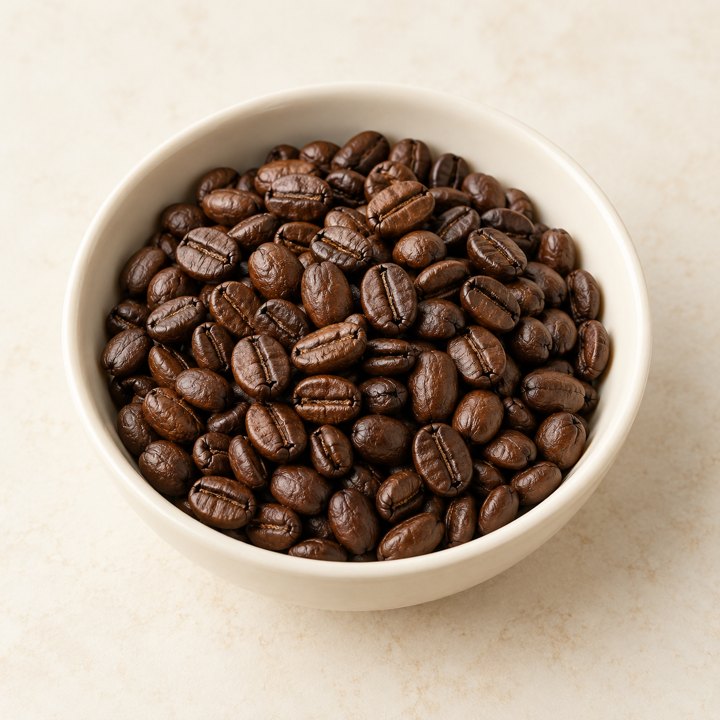
Coffee beans are the processed seeds of Coffea fruits, usually sold roasted for household brewing. Arabica and robusta are the main commercial types.
What it is and local names
Coffee beans are the processed seeds of Coffea fruits, usually sold roasted for household brewing. Arabica and robusta are the main commercial types. Espresso beans means a roasting or blending choice for espresso, not a separate species of bean.
Origins and documented history
Coffee plants have northeastern African origins, while Yemen was central to early coffee cultivation and beverage trade. Roasted coffee spread through the Middle East and beyond. The popular Kaldi account is a legend, not a securely documented first discovery.
Reference: Kew Plants of the World Online: Coffea arabica; World Coffee Research: Yemeni coffee and its genetic diversity.
Types and manufacture
Fruit is picked and processed by washed, natural or related methods to remove fruit material and dry the seeds. Green beans are then roasted, cooled and packed. Light, medium and dark roasts describe a range of roast development, not guaranteed caffeine levels.
Production, trade and Pakistan
Brazil, Vietnam, Colombia and Ethiopia are established coffee producers. Pakistan imports green and roasted beans and has local roasting businesses. A Pakistani roast date identifies a useful freshness detail, but it does not identify the farm or variety without further information.
Reference: FAO: Coffee, markets and trade; State Bank of Pakistan: Import of goods by commodity, 2025.
How to use it
Grind shortly before brewing and choose a grind matched to the machine. For espresso, small changes in grind and dose alter flow substantially. Oily very dark beans may require particular grinder care; follow equipment instructions.
Nutrition, benefits and limits
Beans supply the compounds extracted into coffee, including caffeine and roasted aromas. Their nutritional effect as a drink depends on extraction and additions; they should not be described as a significant protein food simply because the dry seed contains protein.
Drawbacks, allergens and precautions
Check for stale or rancid smells and obvious foreign material. Caffeine sensitivity remains relevant after brewing. Eating roasted beans or chocolate-coated beans can add a concentrated caffeine dose without the visual cue of a cup.
Substitutions and storage
Ground coffee is the closest convenience substitute, though it loses aroma faster. Instant coffee can make a drink but bypasses the bean-grinding and brewing process. A decaffeinated bean offers a similar preparation with less caffeine.
Buy manageable quantities and keep airtight, cool and dry. Avoid frequent opening of a cold container that collects condensation. If freezing a reserve, seal portions well and let each sealed portion warm before opening.
Matching extraction to the drink
Coffee strength describes how concentrated the drink is; extraction describes how much soluble material has moved out of the grounds. Increasing the dose can make a cup stronger without correcting an unsuitable grind. Very fine particles in a slow brewing method often give muddy, harsh results, while coarse particles in a brief method can give a thin cup. Change one variable at a time, using the same water and cup size. This is more useful than assuming that a dark colour or a thick crema guarantees a better extraction.
Cooking with coffee
In a milk drink, add the coffee to a measured amount of milk, then sweeten after tasting. For cakes and creams, cool brewed coffee before adding it to temperature-sensitive ingredients. A hot splash can melt whipped cream or soften butter unevenly. In a soaked dessert, apply coffee gradually: biscuits continue absorbing liquid after the surface looks wet. In chocolate recipes, a small amount can deepen the roasted flavour; a large amount changes the dessert into a coffee dessert. Record the strength used so that the next batch is comparable.
Caffeine and dietary context
Plain coffee contributes very little energy until milk, sugar, cream or flavoured syrup is added. It contains caffeine, and the amount depends on bean type, dose, preparation and serving size. A small espresso is concentrated, but a large mug can contain more total caffeine. Decaffeinated coffee is not necessarily caffeine-free. People who find coffee disrupts sleep, causes palpitations or aggravates reflux can reduce the serving or choose decaffeinated products. Total caffeine includes tea, cola, chocolate and supplements as well as coffee; individual tolerance and medical advice matter.
Water and serving temperature
Use potable water and clean brewing equipment; stale oils on a filter holder or grinder can spoil a fresh batch. A paper filter gives a different body from a metal screen because it retains more fine particles and oils. Serve freshly prepared coffee, or cool it promptly in a clean covered container if it will become an iced drink. Leaving a milky coffee warm on a counter is a food-safety issue as well as a flavour problem. For an iced latte, cool the coffee first or allow explicitly for the ice that the hot coffee will melt.
Recipes and the Pakistani pantry
Use this ingredient in Espresso. Explore related ingredients in the Pakistani ingredients and spices pantry.
Names and forms used in our recipes
View the recipe names covered by this guide
- espresso coffee beans
Frequently Asked Questions
What should I check when buying coffee beans?
Ask for roast date, bean type and origin where available. Espresso describes a brewing use, not a separate coffee species.
What can replace coffee beans in a recipe?
Ground coffee is the closest convenience substitute, though it loses aroma faster. Instant coffee can make a drink but bypasses the bean-grinding and brewing process.
How should coffee beans be stored?
Buy manageable quantities and keep airtight, cool and dry. Avoid frequent opening of a cold container that collects condensation.
Keep Exploring
Related places and stories on DailyLife.pk

How we know this
- Type Explainer
- Sources 6 (3 official/academic)
- Reviewed November 2026
- Disputed points None
