
Ingredients & Spices · The complete guide
Korean fish cake
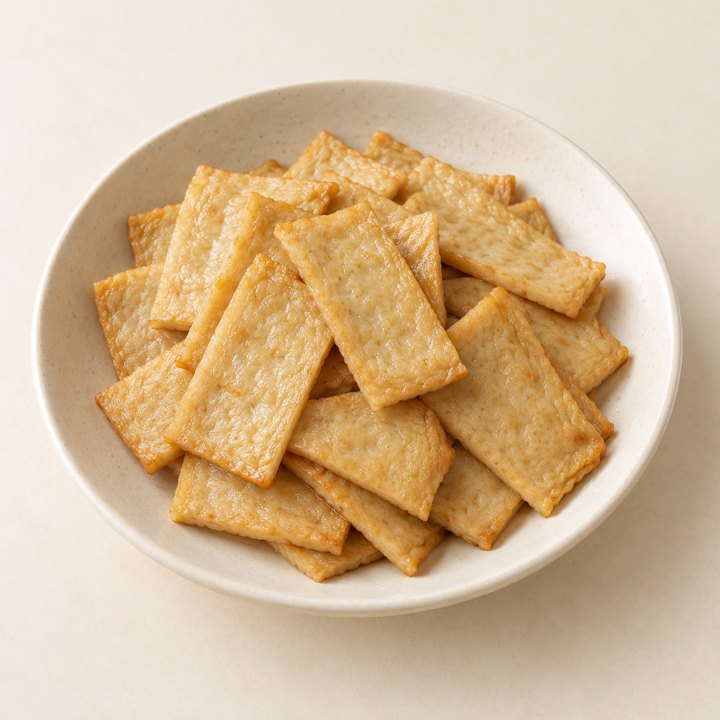
Korean fish cake, eomuk or odeng, is a formed product made from fish paste with starch and other ingredients, often fried before sale. It is not simply a piece of fish fillet.
What it is and what to ask for
Korean fish cake, eomuk or odeng, is a formed product made from fish paste with starch and other ingredients, often fried before sale. It is not simply a piece of fish fillet.
Check fish species, starches, egg, soy and wheat declarations, and verify halal suitability of flavourings. A fish picture on the pack does not imply a product free of shellfish or alcohol-based ingredients.
History, production and the Pakistan context
The product belongs to East Asian processed fish-paste traditions, with Korean forms shaped by regional food history and modern manufacture. Exact formulas vary by producer and shape.
South Korea manufactures recognisable eomuk products; fish-paste products are also made elsewhere in East and Southeast Asia. Pakistani buyers generally encounter imported frozen or chilled packs.
How to use it successfully
Slice according to the dish and check whether it needs cooking or only heating. A brief simmer can flavour broth, while long hard boiling may make thin sheets overly soft.
Thin sheets, skewered pieces and dense fish balls do not absorb broth at the same rate. Choose a shape suited to the recipe and cut pieces so they are easy to eat. Brief blanching can remove some surface oil in selected recipes, but does not guarantee a low-sodium dish or remove an undeclared allergen.
Nutrition, benefits and limits
Fish cake can supply protein but may contain considerable starch and sodium. Its fish content varies, so nutrition should come from the actual label rather than an assumed fillet composition.
Choosing a replacement
A suitable fish ball can work in broth but has a different chew. Plain fish pieces are less springy and need gentler handling; tofu is a separate vegetarian option.
When changing seafood, compare thickness, firmness, bones or shells and whether it is raw or already cooked. Preserve the recipe’s cooking logic rather than only its purchase weight. Ask for the actual species, because a similar market name does not establish identical allergy, mercury or nutrition considerations.
Safe handling and storage
Keep fish cake according to the labelled chilled or frozen instructions, and retain the directions until it is cooked. A product may have been fried during manufacture while still requiring a final cooking step at home. Shape, colour or a photograph on the pack is not enough to establish that it is ready to eat.
Thaw safely if the instructions require thawing, and keep raw or not-ready-to-eat products separate from cooked food. Thin sheets and dense pieces need different heat penetration, so cut consistently for a recipe. If the product is intended to go directly from frozen into a simmering broth, follow that tested method rather than improvising an extended warm thaw.
Check the whole ingredient and allergen list, not only the word fish. Egg, wheat, soy and shellfish ingredients can occur, and some formulations contain more starch or salt than others. Halal suitability requires consideration of flavourings and manufacturing as well as the fish itself. Cool and refrigerate the finished broth or stir-fry promptly in portions; a salty stock does not provide shelf-stable preservation at home.
Planning, portions and serving
In broth, fish cake can provide a chewy contrast to vegetables and noodles, but both the stock seasoning and the product itself may contain salt. Add seasoning gradually after the fish cake has heated. If preparing skewers, choose pieces that remain secure rather than tightly compressing several dense shapes. Include the product name when sharing the recipe so someone with allergy or halal requirements can inspect the exact formulation rather than relying on an English translation.
Recipes and pantry links
Use korean fish cake according to the form specified in the linked recipe: raw versus cooked, bone-in versus boneless, sweetened versus plain, and the stated cut or processing style all affect the result. The ingredient discussion above explains which differences matter most here. Read the complete recipe before shopping, then measure the prepared usable quantity rather than assuming every package has the same yield.
For related ingredient names, local terminology and flavour pairings, browse the Pakistani ingredients and spices pantry guide.
Names and forms used in our recipes
View the recipe names covered by this guide
- fully cooked korean fish cake
Frequently Asked Questions
Is Korean fish cake gluten-free because it is made from fish?
Not necessarily. Many formulations include wheat starch or other wheat ingredients, and may also contain egg or soy. Check the exact package rather than inferring allergen status from the main ingredient.
What should I check before buying korean fish cake for these recipes?
Check fish species, starches, egg, soy and wheat declarations, and verify halal suitability of flavourings. A fish picture on the pack does not imply a product free of shellfish or alcohol-based ingredients. Keep the recipe’s cut and prepared weight in mind, because changing them affects cooking and serving yield.
What is a practical substitute for korean fish cake?
A suitable fish ball can work in broth but has a different chew. Plain fish pieces are less springy and need gentler handling; tofu is a separate vegetarian option. Make a small test where binding, melting or a delicate final texture is central, and adjust the recipe rather than treating different ingredients as identical.
Keep Exploring
Related places and stories on DailyLife.pk

How we know this
- Type Explainer
- Sources 6 (4 official/academic)
- Reviewed November 2026
- Disputed points None
