
Ingredients & Spices · The complete guide
Cooked crab
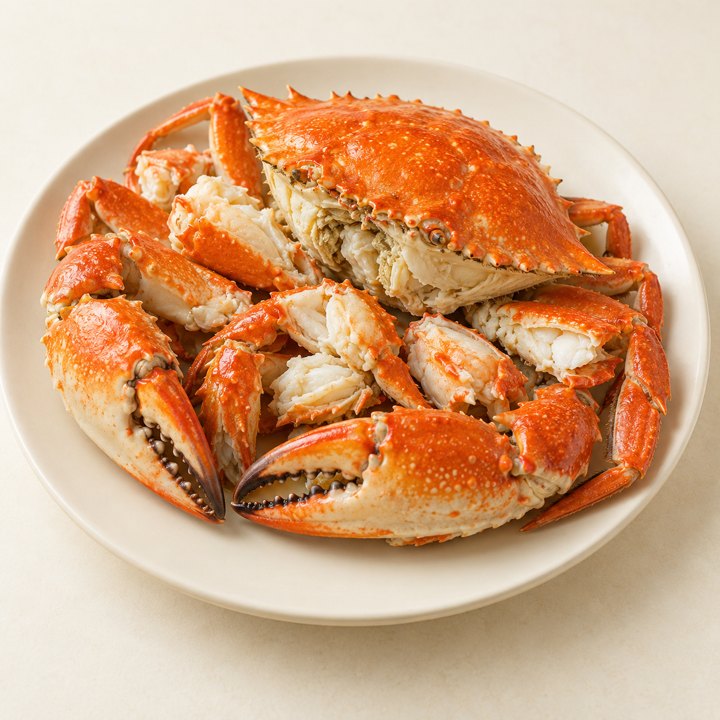
Cooked crab is crab meat or a cooked crab portion that has already undergone a full cooking step. It is distinct from imitation crab, which is usually a formulated fish product.
What it is and what to ask for
Cooked crab is crab meat or a cooked crab portion that has already undergone a full cooking step. It is distinct from imitation crab, which is usually a formulated fish product.
Buy fully cooked crab from a reliable chilled supplier. A reddish shell does not on its own show that every part of an unknown product was safely cooked and handled.
History, production and the Pakistan context
Crab fishing and cooking are old coastal practices. Picking cooked meat and chilled packaging are later conveniences; the edible species and capture area have their own histories.
Crab fisheries occur around South and Southeast Asia and many other coasts. In Pakistan, ask the seller which local or imported species is supplied rather than accepting crab as a species name.
How to use it successfully
Check picked meat carefully for shell and cartilage. Add it toward the end of a curry or soup to avoid drying the delicate flakes; follow any reheating requirement on the package.
Picked crab meat may contain fine shell even when sold as ready to use. Spread it briefly on a clean plate and inspect gently under good light without mashing the flakes. Keep the time out of refrigeration short. If making a creamy filling, cool other cooked ingredients before combining so they do not warm the crab unnecessarily.
Nutrition, benefits and limits
Crab supplies protein and minerals but is a crustacean allergen. The principal avoidable hazard with ready-to-eat meat is contamination after cooking, so use clean tools and keep it cold.
Choosing a replacement
Cooked prawns offer a different but compatible seafood texture. Surimi sticks are not equivalent nutritionally or for allergens and may contain wheat, egg or other ingredients.
When changing seafood, compare thickness, firmness, bones or shells and whether it is raw or already cooked. Preserve the recipe’s cooking logic rather than only its purchase weight. Ask for the actual species, because a similar market name does not establish identical allergy, mercury or nutrition considerations.
Safe handling and storage
Treat fully cooked shellfish as a chilled ready-to-eat food unless the sealed product is explicitly shelf-stable. Follow its use-by and after-opening instructions. Thaw frozen cooked portions in the refrigerator and keep them separate from raw seafood or poultry, since contamination after the factory cooking step remains possible.
Use clean utensils to pick, chop or portion the meat. Shell and cartilage need a final check even in professionally picked products. When combining with rice, potatoes or a sauce, consider the temperatures of all components: adding cold cooked seafood to a warm bowl does not automatically make a dish safe for extended room-temperature holding.
If reheating a leftover dish, FoodSafety.gov specifies 74°C/165°F for leftovers. Plan the dish so it can reach the necessary endpoint without repeated heating cycles that toughen the shellfish. For cold dishes, keep components chilled until assembly and refrigerate promptly after serving. Crustacean allergy remains relevant after peeling, cooking, freezing or chopping, and shared utensils can transfer allergenic proteins to otherwise separate foods.
Planning, portions and serving
Crab's delicate sweetness is easiest to appreciate when the accompanying sauce is controlled. Add mayonnaise, cream or chilli in small stages and avoid drowning picked meat in a strongly salted dressing. If a recipe uses whole cooked crab, shell cracking and edible yield affect shopping weight differently from a tub of picked meat. Clarify the form before purchase rather than assuming one kilogram of whole crab equals one kilogram of ready-to-eat flakes.
Recipes and pantry links
Use cooked crab according to the form specified in the linked recipe: raw versus cooked, bone-in versus boneless, sweetened versus plain, and the stated cut or processing style all affect the result. The ingredient discussion above explains which differences matter most here. Read the complete recipe before shopping, then measure the prepared usable quantity rather than assuming every package has the same yield.
For related ingredient names, local terminology and flavour pairings, browse the Pakistani ingredients and spices pantry guide.
Names and forms used in our recipes
View the recipe names covered by this guide
- commercially cooked crab sections
Frequently Asked Questions
Is imitation crab the same as cooked crab meat?
No. Imitation crab is usually a formulated fish-paste product with additional ingredients. Its flavour, nutrition and allergens differ, so read the label rather than treating it as picked crab.
What should I check before buying cooked crab for these recipes?
Buy fully cooked crab from a reliable chilled supplier. A reddish shell does not on its own show that every part of an unknown product was safely cooked and handled. Keep the recipe’s cut and prepared weight in mind, because changing them affects cooking and serving yield.
What is a practical substitute for cooked crab?
Cooked prawns offer a different but compatible seafood texture. Surimi sticks are not equivalent nutritionally or for allergens and may contain wheat, egg or other ingredients. Make a small test where binding, melting or a delicate final texture is central, and adjust the recipe rather than treating different ingredients as identical.
Keep Exploring
Related places and stories on DailyLife.pk

How we know this
- Type Explainer
- Sources 6 (4 official/academic)
- Reviewed November 2026
- Disputed points None
