
Ingredients & Spices · The complete guide
Canned peaches
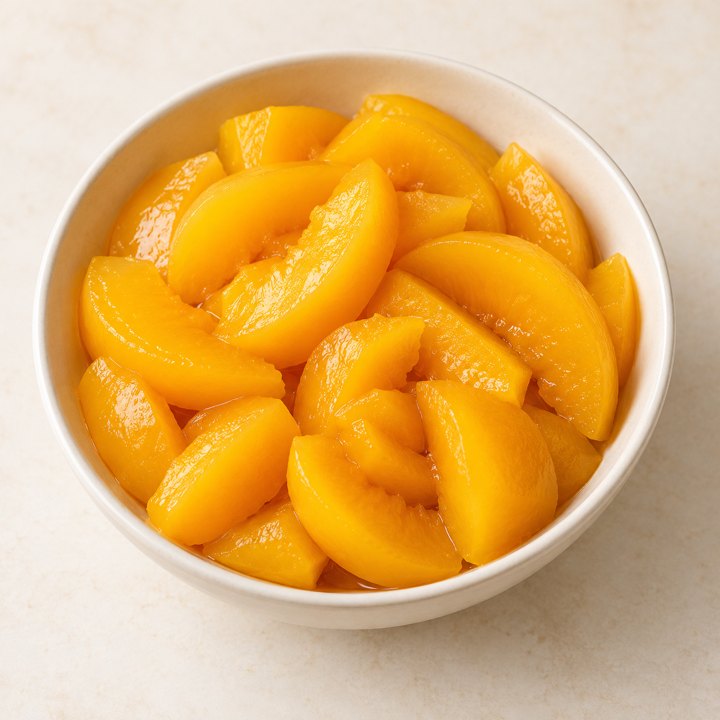
Canned peaches is heat-processed peach pieces, usually Prunus persica, packed in juice, water or syrup. Its eating character is soft, evenly sweet and less aromatic than a ripe fresh peach.
What is canned peaches? Names, flavour and types
Canned peaches is heat-processed peach pieces, usually Prunus persica, packed in juice, water or syrup. Its eating character is soft, evenly sweet and less aromatic than a ripe fresh peach.
The main forms to recognise are halves, slices and diced pieces; light syrup, heavy syrup and juice packs. Choose the form and ripeness specified by the recipe.
Origins, cultivation and the Pakistan market
Peaches originated in China; commercial canning is a later preservation method developed after heat-sealed food preservation spread in the nineteenth century. The relevant botanical or crop background is documented in FAO/WHO Codex — Standard for Canned Stone Fruits.
Growing conditions and producing countries: Orchard fruit is peeled, cut and commercially heat processed; China, Greece and Spain have established peach-processing industries. Shelf-stable cans are practical for jelly dessert outside fresh peach season. Canning countries may process domestic fruit or imported raw material. The brand address, manufacturing country and fruit origin can therefore differ. For a household purchase, compare the fruit mixture, drained weight, packing liquid and ingredient list rather than assuming all tins of equal size are equivalent.

How to prepare, cook and substitute it
Drain before folding into jelly or custard. Reserve a little packing juice only if the recipe can accommodate extra liquid and sweetness
Only when the jelly recipe allows it. Syrup contributes both liquid and sugar, so pouring in the whole can can dilute the setting mixture and make the dessert much sweeter. Drain the fruit first and measure any reserved liquid separately. Peach pieces should be small enough to distribute evenly without sinking as a heavy lump. A juice-packed product is often easier to balance, but it still contributes liquid that must be counted in a carefully measured dessert.
The packing liquid is part of the product, but not necessarily part of the recipe. Drain in a sieve and allow a few minutes for excess liquid to run off before adding fruit to cream, jelly or custard. A recipe measured by drained fruit weight will be more reliable than one measured by the weight of the whole can. If replacing a syrup pack with a juice pack, taste before adjusting sugar; the dessert may already contain enough sweetness from its other ingredients. Keep a clean spoon for removing portions.
A useful starting substitute is ripe peeled peach or pear, or canned apricot with a tarter flavour. Adjust the recipe for the replacement’s texture and moisture.
Buying and storing it well
Look for undented cans without swelling, leaks or damaged seams; compare drained fruit weight. Buy an amount that can be used while its texture is still suitable for the intended dish. Trim away ordinary damaged portions where appropriate, but reject a product showing active decay or an abnormal smell rather than hiding it in a strongly spiced preparation.
For storage, store unopened cans cool and dry; refrigerate opened contents in a clean covered food container. Keep prepared portions separate from unwashed produce and raw animal foods. Use a clean covered container for cut or cooked food, and label frozen portions so the oldest batch is used first. The condition at purchase, kitchen temperature and packaging all affect keeping quality; a fixed number of days is not a guarantee of safety.
Nutrition, benefits and practical cautions
The nutritional contribution is some fibre and fruit micronutrients, with sugar content depending on the packing liquid. USDA FoodData Central distinguishes raw, cooked, dried and processed forms. Recipe totals must also account for added oil, cream, sugar or syrup.
Never taste a bulging or leaking can; syrup adds free sugars and draining does not remove all of them. Its role in a balanced meal depends on portion size and preparation. Whole foods and concentrated supplements are different products and should not be treated as interchangeable.
Recipes using canned peaches
Use the linked recipes to match preparation to the finished dish. Check whether the ingredient quantity means whole purchased weight, peeled edible weight, drained weight or a cooked portion before shopping. This is especially helpful when a recipe needs a thick filling or a carefully balanced drink.
For related Urdu names, pantry ingredients and cooking combinations, see the Pakistani ingredients and spices guide.
Names and forms used in our recipes
View the recipe names covered by this guide
- canned peach pieces
Frequently Asked Questions
Should the syrup from canned peaches be added to jelly?
Only when the jelly recipe allows it. Syrup contributes both liquid and sugar, so pouring in the whole can can dilute the setting mixture and make the dessert much sweeter. Drain the fruit first and measure any reserved liquid separately. Peach pieces should be small enough to distribute evenly without sinking as a heavy lump. A juice-packed product is often easier to balance, but it still contributes liquid that must be counted in a carefully measured dessert.
How should I store canned peaches?
Store unopened cans cool and dry; refrigerate opened contents in a clean covered food container.
What should I consider before serving canned peaches?
Never taste a bulging or leaking can; syrup adds free sugars and draining does not remove all of them.
Keep Exploring
Related places and stories on DailyLife.pk

How we know this
- Type Explainer
- Sources 5 (2 official/academic)
- Reviewed November 2026
- Disputed points None
5 sources
Photo credits (1)
- I-11 Sabze Mande, Islamabad.jpg, Pakieditor, CC BY-SA 4.0, via Wikimedia Commons
