
Ingredients & Spices · The complete guide
Walnut oil
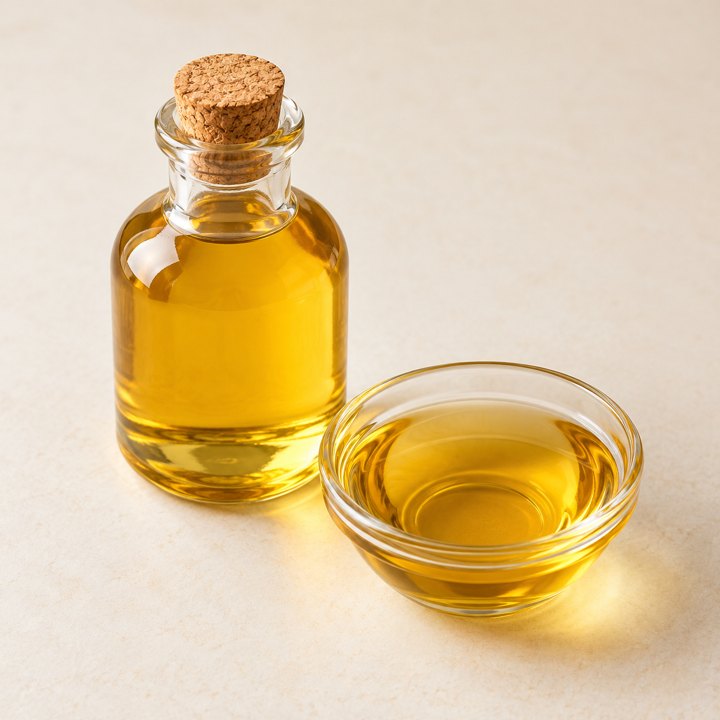
Walnut oil is edible oil extracted from walnut kernels, called akhrot. Cold-pressed and roasted-kernel oils have different aromas, while cosmetic walnut oil is not a food substitute.
What it is and what to ask for
Walnut oil is edible oil extracted from walnut kernels, called akhrot. Cold-pressed and roasted-kernel oils have different aromas, while cosmetic walnut oil is not a food substitute.
Choose sealed food-grade oil and buy a bottle small enough to finish while fresh. Roasted versus unroasted affects flavour, and stale walnut oil develops an unpleasant paint-like or bitter character.
History, production and the Pakistan context
Walnut growing and kernel use have a long history across Eurasia. Pressed oil developed within those food cultures, including northern mountain regions, without a documented single discoverer.
China, the United States, Iran and Türkiye grow walnuts, and Pakistan has regional walnut production. Nut harvest does not necessarily imply a large commercial edible-oil pressing industry.
How to use it successfully
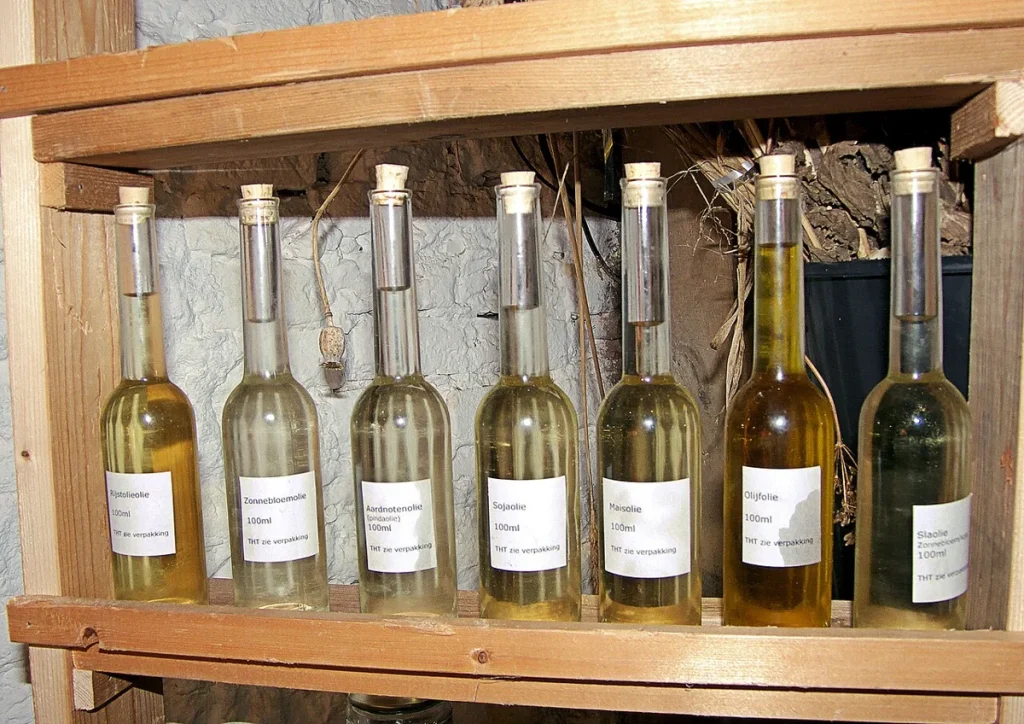
Use a small amount as a finishing oil for giyaling or other flatbreads if the recipe calls for its nut aroma. Follow the bottle's heating directions rather than treating a delicate oil as a generic deep-frying fat.
Walnut oil's delicate flavour is easiest to appreciate in a small finishing quantity. Store as the producer directs, often away from warmth and sometimes refrigerated after opening, and allow any normal cool-temperature clouding to resolve before judging quality. A nutty aroma should be clean; masking rancid oil with strong spices does not restore it.
Nutrition, benefits and limits
Walnut oil supplies unsaturated fat, including some alpha-linolenic acid, but little of the nut's protein or fibre. It remains relevant to walnut allergy, particularly when unrefined.
Choosing a replacement
Another mild edible nut oil supplies a different aroma, while neutral oil replaces the lubrication. Whole ground walnuts add solids and cannot replace oil directly in a dough.
When changing a cooking fat, compare flavour, water content, solidity and the method of heating. Preserve the recipe’s functional balance rather than only the apparent spoonful size. A substitute should meet the household’s actual dietary requirement, and its own food-grade and storage instructions remain relevant even when the quantity is small.
Safe handling and storage
Choose a sealed food-grade product and store it away from heat, light and damp according to the producer. Keep the bottle capped and use a clean dry measure. A small bottle is often more practical for a specialty finishing oil than a large cheap bottle that remains open long after its aroma has faded.
Refining, roasting and extraction influence flavour and heating suitability. Follow the actual product guidance instead of assigning one smoke point to every oil with the same plant name. Avoid visible smoking and do not regard a smoking step as a method to remove toxins or make a non-food oil edible. Oil used with wet ingredients also needs different preservation precautions from a plain dry bottled oil.
All cooking oils supply concentrated energy. Their fatty-acid profiles differ, but a switch from one oil to another should be considered within the whole diet and the quantity used. Extracted oil does not retain the fibre and protein of the original seed or nut. For allergy, check the source and processing; a culinary oil should not be assumed safe merely because it looks clear. Discard rancid oil rather than attempting to hide stale flavours with spices.
Planning, portions and serving
In a flatbread recipe, decide whether the oil belongs in the dough, on the cooking surface or as a final brush. Each role exposes it to different heat and changes how clearly the nut aroma is noticed. A small finishing quantity is often enough to distinguish the bread. If substituting a neutral oil for an allergic guest, also check for whole walnuts or nut garnishes elsewhere in the meal and avoid shared contaminated utensils.
Recipes and pantry links
Use walnut oil according to the form specified in the linked recipe: raw versus cooked, bone-in versus boneless, sweetened versus plain, and the stated cut or processing style all affect the result. The ingredient discussion above explains which differences matter most here. Read the complete recipe before shopping, then measure the prepared usable quantity rather than assuming every package has the same yield.
For related ingredient names, local terminology and flavour pairings, browse the Pakistani ingredients and spices pantry guide.
Names and forms used in our recipes
View the recipe names covered by this guide
- walnut oil
Frequently Asked Questions
Does walnut oil provide the same fibre as walnuts?
No. Extracted oil contains little protein or fibre compared with the whole nut. It can contribute unsaturated fat and aroma, but should not inherit every nutrition claim made for whole walnuts.
What should I check before buying walnut oil for these recipes?
Choose sealed food-grade oil and buy a bottle small enough to finish while fresh. Roasted versus unroasted affects flavour, and stale walnut oil develops an unpleasant paint-like or bitter character. Match the stated plain or flavoured form and read the storage directions before opening the pack.
What is a practical substitute for walnut oil?
Another mild edible nut oil supplies a different aroma, while neutral oil replaces the lubrication. Whole ground walnuts add solids and cannot replace oil directly in a dough. Make a small test where binding, melting or a delicate final texture is central, and adjust the recipe rather than treating different ingredients as identical.
Keep Exploring
Related places and stories on DailyLife.pk

How we know this
- Type Explainer
- Sources 5 (2 official/academic)
- Reviewed November 2026
- Disputed points None
5 sources
Photo credits (1)
- Vegetable oils, plantaardige oliën.jpg, Rasbak, CC BY-SA 3.0, via Wikimedia Commons
