
Ingredients & Spices · The complete guide
Shrimp stock
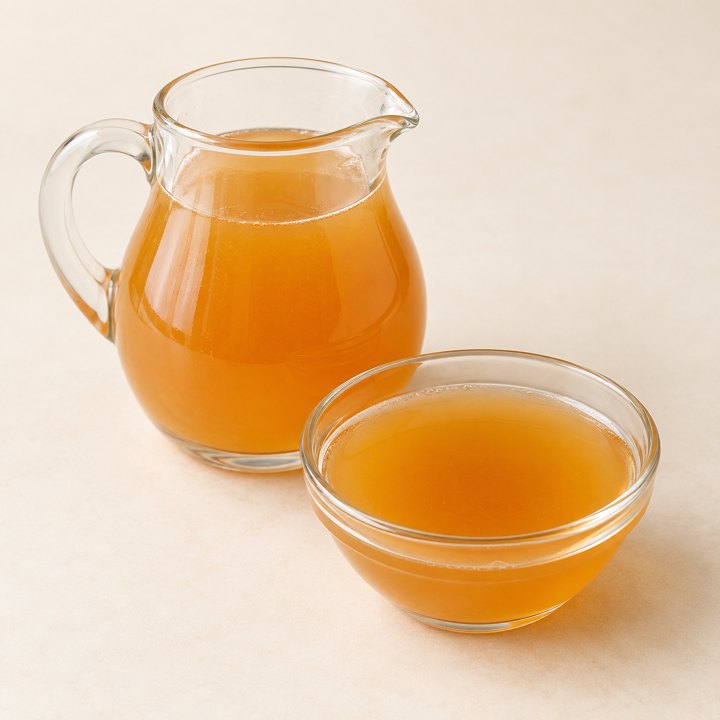
Shrimp stock is a strained broth made from shrimp shells, heads or trimmings. Prawn stock is the equivalent everyday name in many Pakistani kitchens.
What it is and names used in Pakistan
Shrimp stock is a strained broth made from shrimp shells, heads or trimmings. Prawn stock is the equivalent everyday name in many Pakistani kitchens.
Origin and historical context
It follows long coastal practices of extracting flavour from edible seafood by-products; there is no meaningful single inventor for this broth.
Types, manufacture and buying
Clean fresh shells are heated with water and suitable aromatics, briefly simmered and thoroughly strained. Browning shells first changes the flavour and colour.
Decide whether the recipe calls for ready-to-use liquid, a concentrate or a powder. A teaspoon of paste and a cup of finished stock cannot be exchanged by equal volume: reconstitute according to the packet. Unsalted stock offers control when a liquid will reduce or when several sauces add salt. Check that meat species, flavouring sources and certification meet dietary requirements. A stock labelled rich or bone broth may still contain relatively little protein per serving, so compare the nutrition panel rather than relying on promotional language.
Reference: USDA FSIS: Handling leftovers safely.
Production, trade and the Pakistani pantry
Pakistan’s shrimp fisheries and seafood trade provide local raw material; commercial concentrates may be imported or produced in seafood-processing countries.
Cooking uses and practical substitutions
Use in tom yum soup or seafood sauces, keeping the broth clean and light for delicate recipes. Fish or vegetable stock may substitute, but a vegetable version is needed to remove seafood ingredients entirely.
Keep extraction gentle when a clean clear flavour is wanted, and strain through suitable equipment before measuring the finished liquid. Evaporation means the starting water volume is not the amount available for rice or soup. Taste before salting, particularly when reducing the stock into a sauce. Commercial cubes can be convenient, but increasing their concentration increases salt and flavourings together. If a stock is too strong, dilute with safe water; if it is weak, simmer to reduce only when its existing salt level allows. Remove bones and hard fragments carefully.
Nutrition, benefits and limitations
Stock primarily contributes water and flavour. Protein, gelatin, fat and minerals vary widely according to ingredients, extraction and dilution, so an exact nutritional claim cannot be made from the name alone. A strained broth usually contains less fibre than the vegetables used to make it and should not replace actual vegetables or protein foods in a meal. Skimming or chilling and removing solid fat can reduce some fat, but not dissolved salt. No ordinary stock has established disease-curing properties, and collagen-related marketing should not be substituted for evidence about a specific food and outcome.
Crustacean allergens pass into the broth. Straining removes fragments, not the allergen; shell sharpness also demands careful filtration.
Practical notes and common mistakes
Shrimp shells should smell fresh and be handled with the same care as the seafood they came from. Freeze clean shells promptly if collecting them for a later batch rather than leaving them in the refrigerator indefinitely. A brief cooking and straining stage often suits a light soup better than prolonged heavy reduction. Heads can intensify flavour, so choose them deliberately. For tom yum, taste the finished broth alongside fish sauce and lime before adjusting salt or sourness; the stock is only one part of that balance.
Storage and safe handling
Divide freshly made stock into shallow containers so it cools quickly; do not leave a large warm pot on the counter overnight. Refrigerate at 4°C or below and generally use within three to four days, or freeze in labelled portions. Food left out for more than two hours, or one hour above 32°C, should not be kept for later. Reheat a chilled portion thoroughly and bring soups and sauces to a proper boil. Smell is not a reliable test for harmful bacteria. Frozen stock portions help avoid repeatedly cooling and reheating an entire batch.
Recipes and related pantry reading
Use the form and quantity specified in each recipe, then adjust for the concentration, salt and moisture of the product you have bought. These dishes show where the ingredient fits in a complete preparation.
For related local names and pantry ingredients, see the Pakistani ingredients and spices guide.
Names and forms used in our recipes
View the recipe names covered by this guide
- low-salt shrimp stock
Frequently Asked Questions
Can shrimp shells be saved for stock?
Yes when fresh and handled safely; freeze promptly if they will not be used soon.
Does straining shrimp stock make it shellfish-free?
No. It removes shell fragments, not dissolved crustacean allergens.
Keep Exploring
Related places and stories on DailyLife.pk

How we know this
- Type Explainer
- Sources 3 (3 official/academic)
- Reviewed November 2026
- Disputed points None
