
Ingredients & Spices · The complete guide
Japanese curry powder
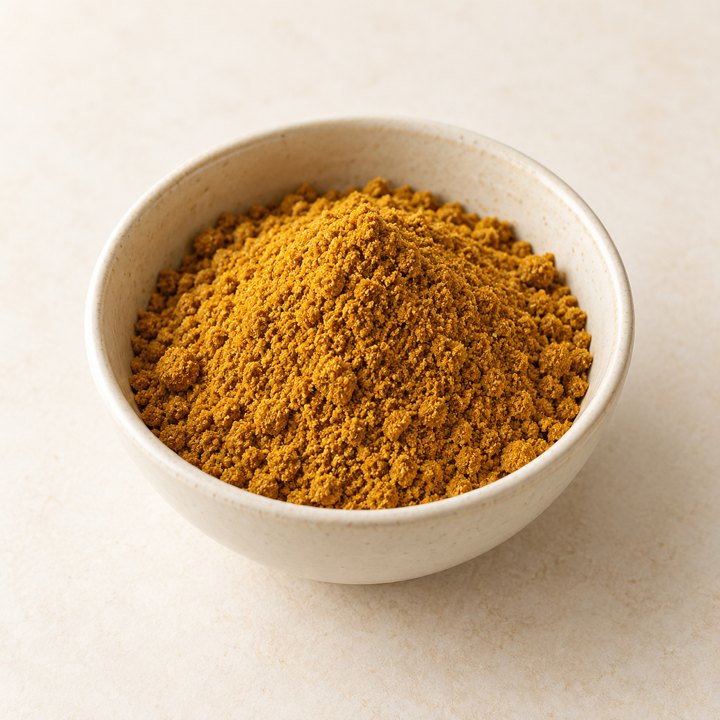
Japanese curry powder is a dry blended spice seasoning, usually built from familiar ingredients such as turmeric, coriander, cumin and other aromatics.
What it is and names to know
Japanese curry powder is a dry blended spice seasoning, usually built from familiar ingredients such as turmeric, coriander, cumin and other aromatics. It differs from curry roux blocks, which additionally provide thickening fat, flour and often salt.
Origins, producing regions and Pakistan context
Curry entered Japan through international contact in the nineteenth century and developed into a distinctive food tradition. Japanese manufacturers created their own curry powders; a particular brand founders story is not the invention of all curry.
Japan manufactures branded powders, while their individual spices are sourced internationally. Pakistani buyers generally find them in imported-food stores or online grocery ranges. The finished blend can be exported separately from its raw ingredients and imported for retail sale. A Pakistan-made pack and an imported finished masala can therefore have similar recipes but different supply chains.
Background: S&B Foods: curry powder history and product distinctions.

Types and buying advice
Distinguish dry spice powder from curry roux blocks or instant sauce mix. Check wheat, salt and fat additions in the actual product.
How to cook with it
Use in Japanese curry sauce, fried rice, croquettes or a curry-flavoured coating. Briefly bloom the powder with cooked onion or another moist base before adding stock.
When substituting powder for roux, provide thickening separately and adjust salt. Do not expect a spoon of powder to perform all the functions of a block.
A complete Japanese curry also depends on vegetables, stock, texture and the recipes balance of savoury and sweet ingredients. Powder supplies the aromatic spice component. Roux blocks provide additional fat and starch, so swapping one for the other requires a complete sauce adjustment. For a simple first trial, use a small quantity in fried rice rather than trying to reconstruct a block-based recipe by guesswork. Check the salt independently before adding stock cubes or soy sauce.
Try the ingredient in Katsu Curry. Follow each recipes specified form and quantity, since whole pieces and fine powder season food differently.
For related pantry ingredients, see the Pakistani ingredients and spices guide.
For a curry-flavoured croquette filling, distribute a little powder through the cooked onion or potato mixture rather than leaving it dry on the surface. Let the filling cool before shaping. This use needs aroma without a sauce, so curry powder is more appropriate than a block designed to thicken a pot of liquid.
Nutrition and realistic benefits
A blend takes its nutritional composition from the specific ingredients and their proportions. At normal seasoning quantities it is primarily a flavouring, not a substantial source of protein or vitamins. The most useful label details are often sodium, allergens and added ingredients rather than claims about antioxidants. If a blend improves a simple vegetable or lentil dish, that benefit comes through the completed meal. It does not cancel a large amount of salt, butter or frying oil.
Disadvantages and precautions
Some curry products contain wheat, milk or other allergens; these are especially common in roux products. Read the exact packet rather than assuming everything labelled curry powder is identical.
Dry spices are not sterile foods. FDA food-safety guidance explains practical handling. Buying from a traceable food supplier is more dependable than trying to judge safety from appearance alone.
Substitutions and storage
A mild curry powder can work, although the balance of sweetness, heat and fragrance will differ. A little garam masala alone is not the same flavour system.
Close the pack promptly and store it cool, dry and away from light. A mixture is only as fresh as its most vulnerable component; ground spices lose aroma, and oily seeds can develop stale flavours. Use a dry spoon, label homemade blends with the date and ingredients, and make a small batch first. Follow any packet instruction to refrigerate after opening. Do not mix a fresh batch into a damp or dirty container, and discard mouldy or musty seasoning.
Names and forms used in our recipes
View the recipe names covered by this guide
- japanese-style curry powder
Frequently Asked Questions
What does the powder contribute to a complete Japanese curry?
A complete Japanese curry also depends on vegetables, stock, texture and the recipes balance of savoury and sweet ingredients. Powder supplies the aromatic spice component.
What can I use instead of japanese curry powder?
A mild curry powder can work, although the balance of sweetness, heat and fragrance will differ. A little garam masala alone is not the same flavour system.
What is the main caution with japanese curry powder?
Some curry products contain wheat, milk or other allergens; these are especially common in roux products. Read the exact packet rather than assuming everything labelled curry powder is identical.
Keep Exploring
Related places and stories on DailyLife.pk

How we know this
- Type Explainer
- Sources 3 (1 official/academic)
- Reviewed November 2026
- Disputed points None
3 sources
Photo credits (1)
- Spice market @ Walled City @ Lahore (15449651456).jpg, Guilhem Vellut from Annecy, France, CC BY 2.0, via Wikimedia Commons
