
Ingredients & Spices · The complete guide
Oyster mushrooms
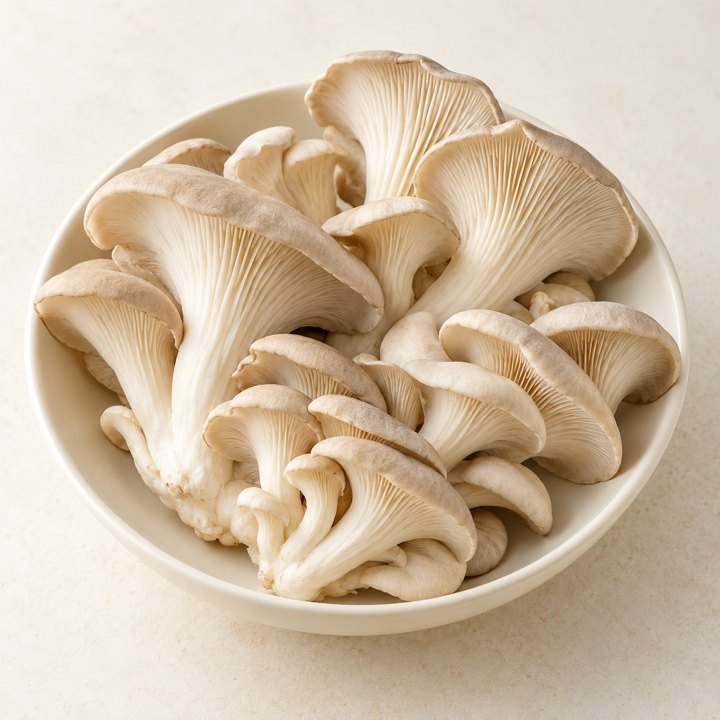
Oyster mushrooms are Pleurotus ostreatus and related cultivated Pleurotus fungi, named for their fan-shaped caps. Its eating character is delicately savoury, sometimes lightly seafood-like, with tender caps and firmer bases.
What is oyster mushrooms? Names, flavour and types
Oyster mushrooms are Pleurotus ostreatus and related cultivated Pleurotus fungi, named for their fan-shaped caps. Its eating character is delicately savoury, sometimes lightly seafood-like, with tender caps and firmer bases.
The main forms to recognise are grey oyster, pale oyster and related pink or golden species with differing heat tolerance. Choose the form and ripeness specified by the recipe.
Origins, cultivation and the Pakistan market
Oyster mushrooms grow naturally on wood; modern cultivation adapted that decay process to controlled substrates rather than creating a new plant crop. The relevant botanical or crop background is documented in Kew Grow Wild — Oyster mushroom.
Growing conditions and producing countries: Cultivated on prepared straw or wood-based materials; China, India and many other countries produce them. Local mushroom growers and specialty shops may offer fresh clusters, usually more fragile than button mushrooms. Cultivated fresh mushrooms, dried mushrooms and canned mushrooms move through different supply chains. Species and processing method should be stated clearly: a generic “mushroom” pack may not give the flavour or texture expected from a named shiitake or oyster mushroom recipe.

How to prepare, cook and substitute it
Trim the tough joined base, separate clusters and tear caps into cooking-sized strips. Sear in a wide hot pan before adding sauce to avoid a watery result
Either works, but tearing along the natural fibres produces attractive uneven edges that brown well. Trim the tough shared base first, then separate the cluster. Very small caps can stay whole, while thick stems may need a thinner cut. Keep the pieces large enough to retain a satisfying bite after moisture evaporates. These mushrooms cook more delicately than a thick portobello cap, so watch the pan rather than applying an identical time to every species labelled mushroom.
Mushrooms release moisture as their cell structure softens. Use a wide pan and work in batches if the aim is browning rather than a pale simmer. Let the first side colour before stirring repeatedly, then season and add the sauce. A soup can use the released liquid, whereas a pastry or dumpling filling usually needs that liquid reduced away. Keep dried and fresh weights separate in recipe calculations: a small weight of dried mushrooms becomes much larger after soaking and has a more concentrated flavour.
A useful starting substitute is button mushrooms for a firmer bite, shiitake for a stronger woody flavour. Adjust the recipe for the replacement’s texture and moisture.
Buying and storing it well
Look for supple dry caps without slime, strong ammonia-like odour or extensive deterioration. Buy an amount that can be used while its texture is still suitable for the intended dish. Trim away ordinary damaged portions where appropriate, but reject a product showing active decay or an abnormal smell rather than hiding it in a strongly spiced preparation.
For storage, refrigerate in breathable packaging; cook promptly because thin caps deteriorate quickly. Keep prepared portions separate from unwashed produce and raw animal foods. Use a clean covered container for cut or cooked food, and label frozen portions so the oldest batch is used first. The condition at purchase, kitchen temperature and packaging all affect keeping quality; a fixed number of days is not a guarantee of safety.
Nutrition, benefits and practical cautions
The nutritional contribution is some B vitamins, fibre and minerals; not a protein equivalent to a meat portion. USDA FoodData Central distinguishes raw, cooked, dried and processed forms. Recipe totals must also account for added oil, cream, sugar or syrup.
Use identified cultivated fungi; wild lookalikes and growing-site contamination require expert assessment. Its role in a balanced meal depends on portion size and preparation. Whole foods and concentrated supplements are different products and should not be treated as interchangeable.
Recipes using oyster mushrooms
Use the linked recipes to match preparation to the finished dish. Check whether the ingredient quantity means whole purchased weight, peeled edible weight, drained weight or a cooked portion before shopping. This is especially helpful when a recipe needs a thick filling or a carefully balanced drink.
For related Urdu names, pantry ingredients and cooking combinations, see the Pakistani ingredients and spices guide.
Names and forms used in our recipes
View the recipe names covered by this guide
- oyster mushrooms
Frequently Asked Questions
Should oyster mushrooms be sliced or torn?
Either works, but tearing along the natural fibres produces attractive uneven edges that brown well. Trim the tough shared base first, then separate the cluster. Very small caps can stay whole, while thick stems may need a thinner cut. Keep the pieces large enough to retain a satisfying bite after moisture evaporates. These mushrooms cook more delicately than a thick portobello cap, so watch the pan rather than applying an identical time to every species labelled mushroom.
How should I store oyster mushrooms?
Refrigerate in breathable packaging; cook promptly because thin caps deteriorate quickly.
What should I consider before serving oyster mushrooms?
Use identified cultivated fungi; wild lookalikes and growing-site contamination require expert assessment.
Keep Exploring
Related places and stories on DailyLife.pk

How we know this
- Type Explainer
- Sources 4 (2 official/academic)
- Reviewed November 2026
- Disputed points None
4 sources
Photo credits (1)
- I-11 Sabze Mande, Islamabad.jpg, Pakieditor, CC BY-SA 4.0, via Wikimedia Commons
