
Ingredients & Spices · The complete guide
Kombu
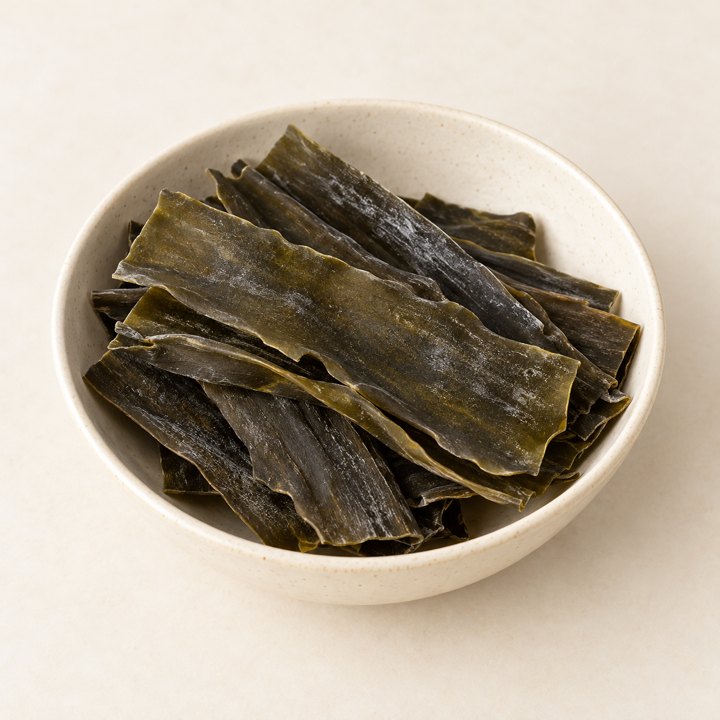
Kombu is edible kelp used especially for Japanese stock. It differs from nori sheets and from the softer seaweed called wakame.
What it is and names used in Pakistan
Kombu is edible kelp used especially for Japanese stock. It differs from nori sheets and from the softer seaweed called wakame.
Origin and historical context
Its role is deeply established in Japanese cooking and regional trade, particularly kelp-associated cuisine. Modern food science later identified glutamate as central to its savouriness.
Types, manufacture and buying
Kelp is harvested, dried and graded; species, growing conditions and maturation affect flavour. White surface powder may be naturally occurring compounds, whereas coloured fuzzy growth is not normal.
Buy seaweed identified for culinary use, with the type and producer clearly labelled. Kombu, nori and wakame have different structures and iodine profiles, so a generic seaweed label is insufficient for a precise recipe. Select clean dry pieces protected from moisture and inspect for damage. Origin, species and processing can affect iodine concentration considerably; an attractive package does not establish a safe daily quantity. Seasoned snack seaweed also contains added oil and salt and is not the same ingredient as a plain stock-making kelp strip.
Production, trade and the Pakistani pantry
Japan, China and Korea have kelp industries; Pakistan generally obtains dried kombu through specialist imported-food sellers.
Cooking uses and practical substitutions
Steep a piece in water and heat gently for dashi, removing it as directed by the recipe. Dried shiitake can provide a mushroom-based alternative but not the same taste.
Wipe or inspect as directed by the product rather than scrubbing away every pale surface deposit. Soak or heat gently for stock according to the recipe, then remove or retain the kelp as intended for that dish. Very long boiling can change flavour and texture. Use modest measured quantities rather than adding extra strips simply to make a stronger health drink. When replacing with mushrooms, consider the different aroma and any dietary restrictions; a fish-based dashi powder is not a vegetarian substitute just because it is used for the same stock.
Nutrition, benefits and limitations
Seaweeds can supply minerals and fibre, but kombu’s most significant nutritional caution is its very variable and sometimes extremely high iodine content. Iodine is necessary for thyroid function, while excessive intake can also disrupt it. NIH reports wide differences between seaweed products, so a generic serving estimate is not dependable. People with thyroid disease or a medically restricted iodine intake should obtain individual guidance. Do not use large routine portions or homemade concentrated kelp drinks as an assumed mineral supplement. The savoury culinary role can be achieved with small amounts.
Kombu can contain very high and variable iodine levels. Large routine servings can be unsuitable, particularly for people managing thyroid conditions.
Reference: NIH Office of Dietary Supplements: Iodine.
Practical notes and common mistakes
For a clear kombu stock, a modest piece can supply savouriness without needing to be eaten whole. Follow a suitable recipe for the kelp type and remember that mineral concentration in the resulting liquid is variable. A pale surface bloom is different from fuzzy discoloured growth, so inspect the texture as well as colour. If using kombu repeatedly, quantity and frequency matter more than whether the package calls it natural. Concentrated kelp powders or supplements can deliver very different amounts from a small culinary strip.
Storage and safe handling
Keep dried kombu in a sealed container in a cool dry cupboard away from steam and strong odours. Use dry utensils and do not return soaked pieces to the dry pack. After soaking or cooking, refrigerate the kelp or resulting broth promptly at 4°C or below and follow general cooked-food guidance, usually three to four days for leftovers. Freeze appropriate broth portions for longer storage. Fuzzy coloured growth, unusual deterioration or a damaged wet package requires discarding the product; normal pale mineral or flavour deposits should be distinguished from actual mould.
Recipes and related pantry reading
Use the form and quantity specified in each recipe, then adjust for the concentration, salt and moisture of the product you have bought. These dishes show where the ingredient fits in a complete preparation.
For related local names and pantry ingredients, see the Pakistani ingredients and spices guide.
Names and forms used in our recipes
View the recipe names covered by this guide
- dried kombu
Frequently Asked Questions
Is kombu interchangeable with nori?
No. They are different seaweeds with different structures and culinary roles.
Why should kombu portions be modest?
Its iodine can be very high and variable; concentrated routine use can create excessive intake.
Keep Exploring
Related places and stories on DailyLife.pk

How we know this
- Type Explainer
- Sources 3 (2 official/academic)
- Reviewed November 2026
- Disputed points None
