
Ingredients & Spices · The complete guide
White miso
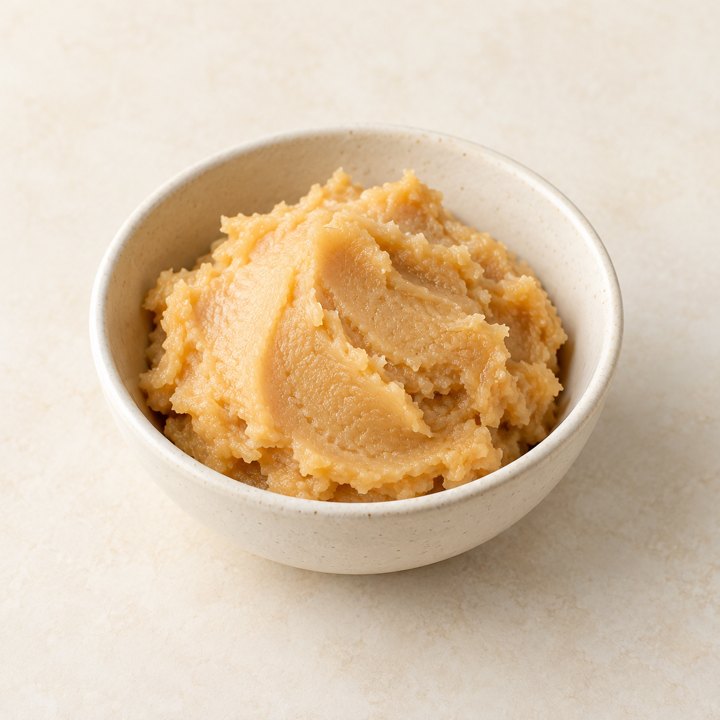
White miso, or shiro miso, is a pale fermented soybean paste, frequently made with rice koji. It tends to be milder and sweeter than many dark misos.
What it is and names used in Pakistan
White miso, or shiro miso, is a pale fermented soybean paste, frequently made with rice koji. It tends to be milder and sweeter than many dark misos.
Origin and historical context
It belongs to Japanese miso traditions that developed from wider Asian fermentation knowledge. MAFF documents early textual references to miso-related pastes.
Types, manufacture and buying
Cooked soybeans are mixed with koji and salt, then fermented and matured. White does not mean salt-free; colour also depends on ingredients and maturation conditions.
Look for the base ingredients, fermentation description and whether the product has been pasteurised. Naturally brewed, aged and fermented describe processes, but do not by themselves guarantee a particular nutrient profile or live microbial count. Different colour grades may indicate a different flavour rather than a better product. For dietary restrictions, inspect soy, wheat, barley, fish and crustacean ingredients separately; fermentation is not a reliable way to remove allergens. Compare sodium per similar serving, since these seasonings are commonly used in small but repeated quantities.
Reference: MAFF: Soy sauce, miso and other seasonings.
Production, trade and the Pakistani pantry
Japan is the principal cultural source; other countries also manufacture miso, sold in Pakistan through specialist imports.
Cooking uses and practical substitutions
Dissolve a small portion in warm broth for ramen, then avoid unnecessarily prolonged boiling to preserve aroma. Another mild miso can substitute with careful adjustment, while soy sauce gives less body.
Measure concentrated sauce into a small bowl before adding it to a hot pan. This helps control the quantity and avoids pouring steam or splashes back into the bottle. Start with less than expected, then taste the complete mixture because salt, sweetness and acidity interact with other ingredients. Sugary sauces need particular care over direct heat: a glossy coating can darken quickly and turn bitter. Add water or another recipe liquid in small amounts if a paste needs loosening. Use a fresh spoon for tasting and a clean utensil for the storage container.
Nutrition, benefits and limitations
Fermentation can change flavour and the digestibility of food components, but benefits depend on the organism, process and quantity eaten. A salty paste or sauce is usually a seasoning rather than a major protein serving. Live microbes are not guaranteed: heating and storage can reduce them, and a product needs specific evidence before being described as probiotic. Pay attention to sodium and any added sugars. People who need to limit these nutrients should work from the label and the whole meal. Ordinary culinary use does not justify broad claims about immunity, detoxification or disease prevention.
Soy is central, and barley-containing or blended pastes may contain gluten. Commercial paste is a seasoning rather than a protein serving.
Practical notes and common mistakes
White miso is easiest to distribute when first mixed with a little warm broth in a small bowl or ladle. Adding a dense spoonful directly to a large pot can leave salty lumps. Many light misos are relatively sweet, but that is not a promise of low sodium. Taste the broth before adding soy sauce or salt. A darker miso can make a good deliberate variation, though its stronger flavour and colour may require a smaller amount. Prolonged boiling changes aroma and is not necessary merely to dissolve the paste.
Storage and safe handling
Keep unopened products as the manufacturer directs and check that the seal is intact. After opening, follow refrigeration and use-within instructions; shelf stability before opening does not guarantee the same storage afterwards. Write the opening date on an infrequently used jar. Keep the rim clean and avoid returning sauce that has touched raw meat to the container. Discard products with mould, an unexpectedly swollen pack or other clear deterioration. Homemade adaptations should be refrigerated and made in modest batches unless a properly tested preservation method is followed.
Recipes and related pantry reading
Use the form and quantity specified in each recipe, then adjust for the concentration, salt and moisture of the product you have bought. These dishes show where the ingredient fits in a complete preparation.
For related local names and pantry ingredients, see the Pakistani ingredients and spices guide.
Names and forms used in our recipes
View the recipe names covered by this guide
- white miso
Frequently Asked Questions
Is white miso salt-free?
No. Its milder or sweeter flavour does not mean it contains little sodium.
How can miso be added without lumps?
Blend it first with a little warm broth before stirring it through the dish.
Keep Exploring
Related places and stories on DailyLife.pk

How we know this
- Type Explainer
- Sources 2 (1 official/academic)
- Reviewed November 2026
- Disputed points None
