
Ingredients & Spices · The complete guide
Spring roll wrappers
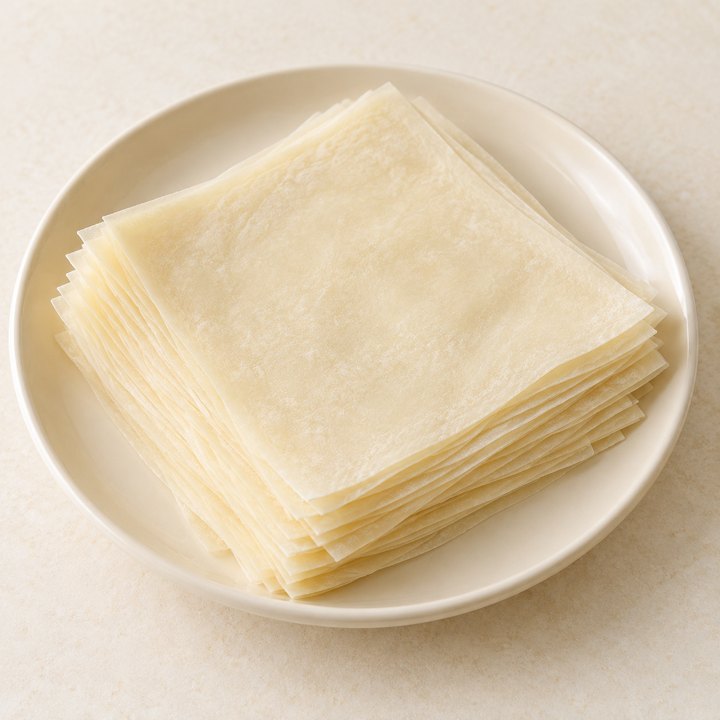
Spring roll wrappers are thin dough sheets intended for filled rolls, usually fried or baked. Wheat wrappers differ from dry rice paper for fresh rolls.
What it is and names used in Pakistan
Spring roll wrappers are thin dough sheets intended for filled rolls, usually fried or baked. Wheat wrappers differ from dry rice paper for fresh rolls.
Origin and historical context
They draw on Chinese and regional Southeast Asian roll-making traditions, with South Asian adaptations in fillings and serving styles.
Types, manufacture and buying
A thin wheat batter or dough is cooked or sheeted into flexible squares and sold chilled or frozen. Some wrappers are raw dough; packet directions determine the appropriate method.
Match the wrapper to the dish instead of treating every thin sheet as interchangeable. Read whether it is dry, chilled or frozen, and whether it is raw or already cooked. Ingredient lists can include wheat, rice, tapioca, egg, salt and oil in different combinations. Thickness matters: a delicate sheet suited to a small wonton may tear under a large wet filling. For dietary restrictions, verify both the wrapper and the filling; choosing rice in one component does not make an entire meal gluten-free.
Reference: Roland Foods: Vietnamese rice paper description and use.
Product reference: Nasoya: Wheat roll-wrapper ingredients and folding method.
Production, trade and the Pakistani pantry
Pakistan produces restaurant-style roll sheets locally; China and Southeast Asian countries supply additional frozen and dried wrapper products.
Cooking uses and practical substitutions
Keep sheets covered and use a cool, dry filling so steam does not burst seams. Seal the final flap with suitable flour paste. Filo can wrap some fillings but is more fragile and browns differently.
Prepare the filling before opening or hydrating a full pack. Keep unneeded sheets protected so they do not dry out, and use only modest moisture for sealing unless the wrapper is specifically designed to be soaked. Cool cooked fillings and drain free liquid, because steam and water weaken seams. Leave enough clean edge to close securely without trapping large air pockets. Cooking time depends on filling thickness as well as wrapper type. Raw meat or seafood filling must reach a safe cooked state even if the outside sheet has already become translucent or golden.
Nutrition, benefits and limitations
Wrappers mainly supply carbohydrate and structure, while the filling, cooking method and dipping sauce determine much of the finished meal’s nutritional balance. A fresh roll with vegetables is different from a deep-fried roll filled with fatty meat, even if both use thin sheets. Wheat-based wrappers usually contain gluten; rice-based sheets may be suitable only when their ingredients and cross-contact controls confirm it. Egg can occur in some doughs. Added oil, salt and sugary dips should be considered separately rather than attributing the whole meal’s nutrition to the wrapper.
Wheat is common and egg may occur. Do not refreeze wrappers repeatedly after prolonged warm handling.
Practical notes and common mistakes
A spring-roll filling should be cool enough that it does not steam the wrapper from within during assembly. Keep vegetables drained and avoid overfilling: an attractive large roll is harder to seal securely. Place the seam down as the recipe directs and cook in suitable batches so the wrapper crisps evenly. Frozen rolls can require a different method from fresh ones. If baking instead of frying, use an adapted method with the right surface coating rather than expecting an identical result from a completely dry raw wrapper.
Storage and safe handling
Keep dry sheets protected from moisture and insects; chilled or frozen dough wrappers must remain at the temperature specified on the pack. Thaw frozen stacks as instructed and avoid repeated warming and refreezing. Cover opened stacks while working and return unused portions promptly if the product allows storage. Fresh filled rolls and dumplings are perishable because of their moisture and filling. Refrigerate promptly at 4°C or below and follow the filling’s safe storage limit. If making ahead, freeze suitable uncooked dumplings individually before packing, so they do not stick into a single block.
Recipes and related pantry reading
Use the form and quantity specified in each recipe, then adjust for the concentration, salt and moisture of the product you have bought. These dishes show where the ingredient fits in a complete preparation.
For related local names and pantry ingredients, see the Pakistani ingredients and spices guide.
Names and forms used in our recipes
View the recipe names covered by this guide
- spring-roll wrappers
Frequently Asked Questions
Are wheat spring-roll wrappers the same as rice paper?
No. They are different products with different preparation and cooking methods.
Why should spring-roll filling be cool and drained?
Excess heat and water weaken wrappers and make secure rolling more difficult.
Keep Exploring
Related places and stories on DailyLife.pk

How we know this
- Type Explainer
- Sources 5 (2 official/academic)
- Reviewed November 2026
- Disputed points None
