
Ingredients & Spices · The complete guide
Onion juice
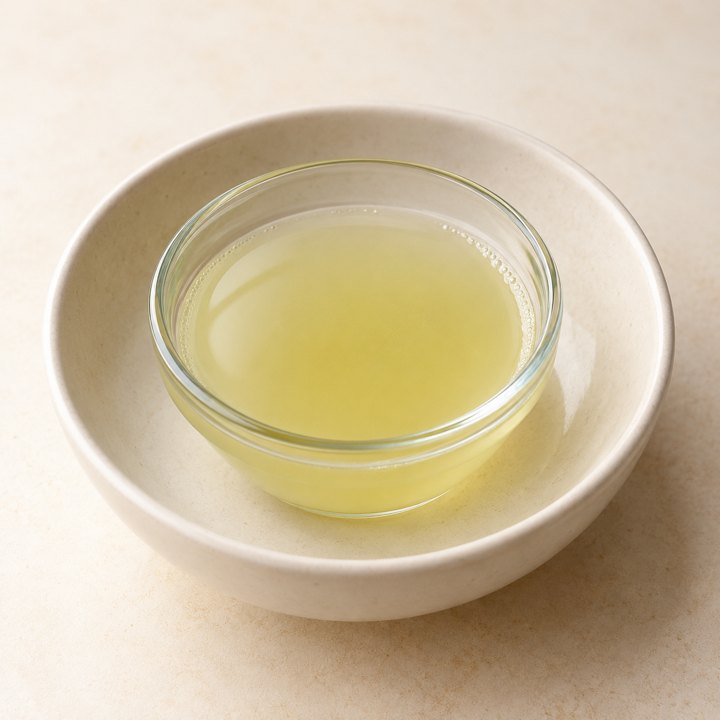
Onion juice is the strained liquid released when onion, Allium cepa, is grated or blended and squeezed. It contributes pungent flavour with little of the visible pulp.
What it is and names to know
Onion juice is the strained liquid released when onion, Allium cepa, is grated or blended and squeezed. It contributes pungent flavour with little of the visible pulp. It is different from onion paste and commercially concentrated onion flavouring.
Origins, producing regions and Pakistan context
Onion has an ancient cultivated history. Extracting its juice is a kitchen technique associated with several meat preparations; the available evidence does not support naming a first inventor of the method.
Fresh onions are grown in Pakistan and many other countries. For a household preparation, the source and freshness of the bulb matter more than international trade in specialised onion concentrates.
Background: Royal Botanic Gardens, Kew: plant identity and range.

Types and buying advice
Prepare from a sound fresh bulb, or check the full composition of a commercial concentrate. Strained juice is different from thick onion paste.
How to cook with it
Use in a meat marinade such as an Iskender-style kebab preparation when the recipe wants onion flavour without thick pulp that might burn on the grill. Strain through a clean fine sieve or cloth.
Grate just before use and measure the extracted liquid. Different onions yield different amounts, so the number of bulbs is only an estimate. Keep the meat and marinade refrigerated.
For a clean marinade, separate the juice from pulp with a fine sieve or clean cloth, then measure the liquid rather than guessing from the size of the onion. Prepare only what is needed because the extracted juice is perishable. Meat marinated with onion still needs appropriate refrigeration and cooking. If the recipe wants a dry grill surface, let excess marinade drain as directed; adding a thick layer of pulp can char before the meat cooks.
Try the ingredient in Iskender Kebab. Follow each recipes specified form and quantity, since whole pieces and fine powder season food differently.
For related pantry ingredients, see the Pakistani ingredients and spices guide.
For a grilled-meat marinade, combine the measured juice with the recipes other ingredients and coat the meat evenly under refrigeration. Avoid treating onion juice as a preservation liquid or assuming that a longer soak is always better. Its flavour can become conspicuous in a small amount of meat. Before grilling, drain excess liquid as instructed so the surface can brown. If the recipe uses grated onion instead, keep the pulp when directed; straining it out changes both the coating and the final texture.
Nutrition and realistic benefits
A paste mainly makes fresh aromatics convenient to measure and disperse. Its nutrition depends on the vegetables or rhizomes used and on additions such as oil or salt. A spoonful shared across a whole dish is generally a seasoning quantity. Read a commercial label if sodium or another ingredient matters to you. Neither grinding nor combining aromatics turns them into a proven treatment, and supplement research should not be used to assign health effects to a household marinade.
Disadvantages and precautions
Onion juice is perishable and does not sterilise meat. Discard marinade that has contacted raw meat unless it is cooked safely as part of the dish.
Garlic-in-oil storage guidance is particularly relevant to homemade pastes containing garlic and oil.
Substitutions and storage
Finely grated onion can work if the added pulp and moisture suit the cooking method. A small amount of onion paste is closer than dry powder but behaves differently on a hot grill.
Keep homemade paste refrigerated in a clean closed food container and use promptly, or freeze it in small recipe-sized portions. Commercial paste must follow its own opened-jar instructions; preservatives in one brand do not establish the storage life of another. Use a clean spoon every time. Oil floating on the surface is not proof of safety, and garlic mixed with oil must never be kept at room temperature. An off smell or mould means discard the paste rather than scraping the surface.
Names and forms used in our recipes
View the recipe names covered by this guide
- onion juice
Frequently Asked Questions
Should I measure the onion or the extracted juice?
For a clean marinade, separate the juice from pulp with a fine sieve or clean cloth, then measure the liquid rather than guessing from the size of the onion. Prepare only what is needed because the extracted juice is perishable.
What can I use instead of onion juice?
Finely grated onion can work if the added pulp and moisture suit the cooking method. A small amount of onion paste is closer than dry powder but behaves differently on a hot grill.
What is the main caution with onion juice?
Onion juice is perishable and does not sterilise meat. Discard marinade that has contacted raw meat unless it is cooked safely as part of the dish.
Keep Exploring
Related places and stories on DailyLife.pk

How we know this
- Type Explainer
- Sources 3 (1 official/academic)
- Reviewed November 2026
- Disputed points None
3 sources
Photo credits (1)
- I-11 Sabze Mande, Islamabad.jpg, Pakieditor, CC BY-SA 4.0, via Wikimedia Commons
