
Ingredients & Spices · The complete guide
Turkish pepper paste
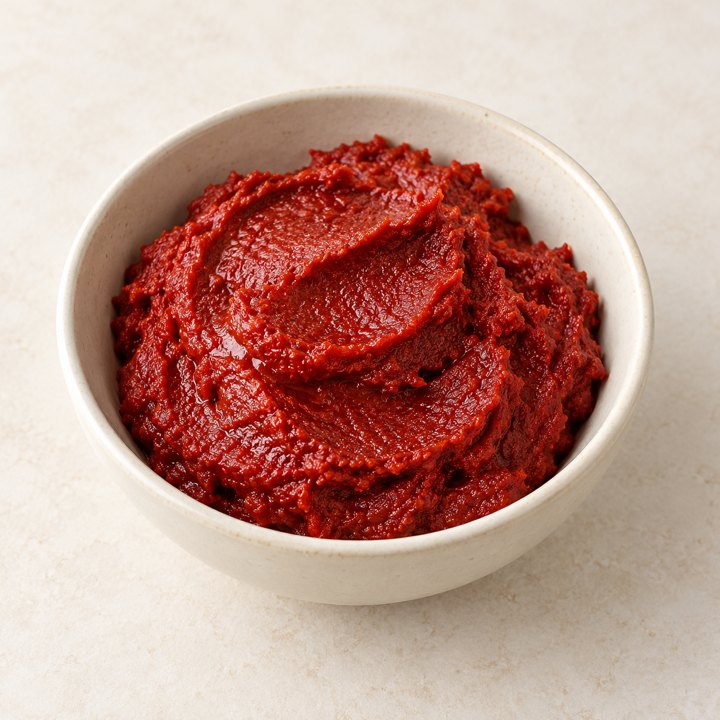
Turkish pepper paste, or biber salçası, is concentrated red pepper pulp used for colour, sweetness and depth. Acı and tatlı versions indicate hot and sweet styles.
What it is and names used in Pakistan
Turkish pepper paste, or biber salçası, is concentrated red pepper pulp used for colour, sweetness and depth. Acı and tatlı versions indicate hot and sweet styles.
Origin and historical context
It belongs to Türkiye’s summer produce-preserving traditions. The culture ministry describes pepper and tomato pastes thickened by boiling and sun exposure.
Types, manufacture and buying
Ripe peppers are cleaned, cooked or otherwise processed, puréed and concentrated with varying salt. Commercial controlled processing differs from an improvised home sun-drying method.
Read the first few ingredients to understand what supplies most of the sauce’s body: vegetables, water, sugar, oil, fermented paste or starch. Compare a regular serving rather than only the front-label claims. A product described as mild, natural or premium can still be salty or sweet. Heat ratings and thickness are not standardised across all manufacturers, so opening a new brand is a good time to taste cautiously. Small packs can be useful when an unfamiliar sauce will only be used occasionally.
Reference: Türkiye Ministry of Culture: Winter preserving and pepper paste.
Production, trade and the Pakistani pantry
Türkiye has an established pepper-paste industry; Pakistani cooks commonly encounter it as an imported Middle Eastern or Turkish specialty.
Cooking uses and practical substitutions
Use mild paste in shish-kebab marinades or diluted in stews. A mixture of tomato paste and sweet paprika is a practical approximation but introduces tomato acidity.
Measure concentrated sauce into a small bowl before adding it to a hot pan. This helps control the quantity and avoids pouring steam or splashes back into the bottle. Start with less than expected, then taste the complete mixture because salt, sweetness and acidity interact with other ingredients. Sugary sauces need particular care over direct heat: a glossy coating can darken quickly and turn bitter. Add water or another recipe liquid in small amounts if a paste needs loosening. Use a fresh spoon for tasting and a clean utensil for the storage container.
Nutrition, benefits and limitations
The chief role of a sauce is flavour, so assess its contribution in the amount actually eaten. Many commercial versions add sodium, sugar or oil without supplying a substantial serving of vegetables or protein. That does not prevent moderate use, but it makes portion awareness useful, especially when several bottled seasonings appear in one dish. Lower-sodium and reduced-sugar versions may taste different and are not necessarily interchangeable in a glaze. No sauce should be described as preventing illness or treating a medical condition simply because it contains chilli, garlic or another plant ingredient.
Red colour does not establish heat level. Salinity varies and should be checked before seasoning meat.
Practical notes and common mistakes
For a kebab marinade, mix pepper paste with the other liquids and seasonings before coating the meat so its colour and salt distribute evenly. Sweet biber salçası and hot acı biber salçası are different choices; the red colour alone will not tell you which is in the jar. Some recipes mix pepper and tomato paste, adding another source of acidity. A paprika-and-tomato substitute can work as an adaptation but should be adjusted by taste, especially when the original Turkish paste is unusually concentrated or salty.
Storage and safe handling
Keep unopened products as the manufacturer directs and check that the seal is intact. After opening, follow refrigeration and use-within instructions; shelf stability before opening does not guarantee the same storage afterwards. Write the opening date on an infrequently used jar. Keep the rim clean and avoid returning sauce that has touched raw meat to the container. Discard products with mould, an unexpectedly swollen pack or other clear deterioration. Homemade adaptations should be refrigerated and made in modest batches unless a properly tested preservation method is followed.
Recipes and related pantry reading
Use the form and quantity specified in each recipe, then adjust for the concentration, salt and moisture of the product you have bought. These dishes show where the ingredient fits in a complete preparation.
For related local names and pantry ingredients, see the Pakistani ingredients and spices guide.
Names and forms used in our recipes
View the recipe names covered by this guide
- mild turkish red pepper paste
Frequently Asked Questions
What does biber salçası mean?
It refers to Turkish pepper paste; sweet and hot styles are both sold.
Can tomato paste alone reproduce it?
No. Tomato brings a different flavour and acidity; paprika can help create an adapted substitute.
Keep Exploring
Related places and stories on DailyLife.pk

How we know this
- Type Explainer
- Sources 2 (1 official/academic)
- Reviewed November 2026
- Disputed points None
