
Ingredients & Spices · The complete guide
Doubanjiang
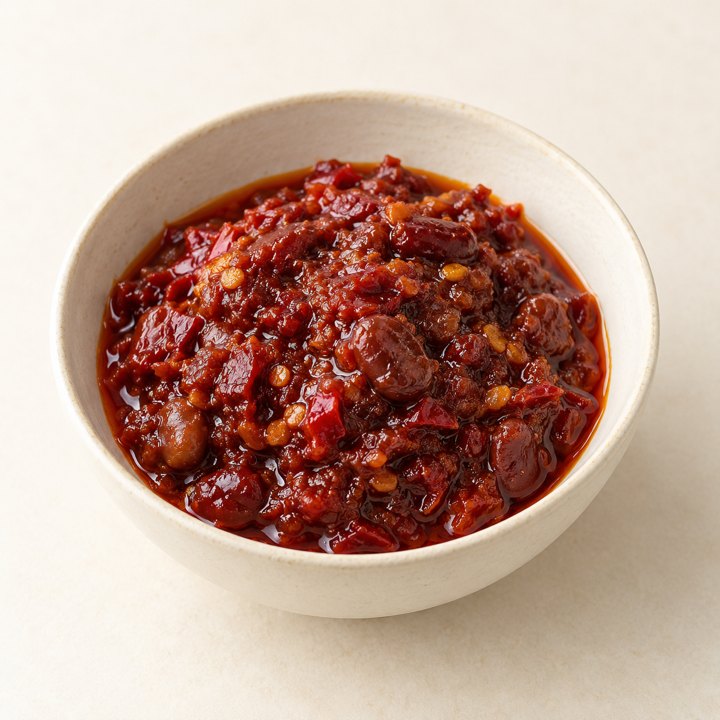
Doubanjiang is a Chinese fermented bean paste; Sichuan chilli doubanjiang is commonly based on broad beans, chillies and salt. Some versions include soybeans or wheat.
What it is and names used in Pakistan
Doubanjiang is a Chinese fermented bean paste; Sichuan chilli doubanjiang is commonly based on broad beans, chillies and salt. Some versions include soybeans or wheat.
Origin and historical context
It belongs to Chinese bean-fermentation traditions, especially Sichuan cooking. Pixian is a recognised regional association, not a synonym for every jar labelled bean paste.
Types, manufacture and buying
Beans and chillies undergo controlled salting, fermentation and maturation. Aged pastes are darker and more complex; non-spicy broad-bean pastes are a different seasoning.
Look for the base ingredients, fermentation description and whether the product has been pasteurised. Naturally brewed, aged and fermented describe processes, but do not by themselves guarantee a particular nutrient profile or live microbial count. Different colour grades may indicate a different flavour rather than a better product. For dietary restrictions, inspect soy, wheat, barley, fish and crustacean ingredients separately; fermentation is not a reliable way to remove allergens. Compare sodium per similar serving, since these seasonings are commonly used in small but repeated quantities.
Reference: FAO: Condiment and fermented soybean categories.
Production, trade and the Pakistani pantry
China is its main cultural and manufacturing base; in Pakistan it is a specialist import rather than a substitute for ordinary chilli garlic sauce.
Cooking uses and practical substitutions
Fry a small amount gently in oil before adding meat in Sichuan-style chicken so the oil carries its colour and aroma. Miso mixed with chilli can be an approximation, not an identical replacement.
Measure concentrated sauce into a small bowl before adding it to a hot pan. This helps control the quantity and avoids pouring steam or splashes back into the bottle. Start with less than expected, then taste the complete mixture because salt, sweetness and acidity interact with other ingredients. Sugary sauces need particular care over direct heat: a glossy coating can darken quickly and turn bitter. Add water or another recipe liquid in small amounts if a paste needs loosening. Use a fresh spoon for tasting and a clean utensil for the storage container.
Nutrition, benefits and limitations
Fermentation can change flavour and the digestibility of food components, but benefits depend on the organism, process and quantity eaten. A salty paste or sauce is usually a seasoning rather than a major protein serving. Live microbes are not guaranteed: heating and storage can reduce them, and a product needs specific evidence before being described as probiotic. Pay attention to sodium and any added sugars. People who need to limit these nutrients should work from the label and the whole meal. Ordinary culinary use does not justify broad claims about immunity, detoxification or disease prevention.
Broad beans, soy and wheat must be checked individually. The paste is usually salty enough to reduce added salt substantially.
Practical notes and common mistakes
Doubanjiang is often most useful when minced or mashed so bean fragments distribute through the sauce. Heat it gently with oil until fragrant, taking care because a dense paste can catch on the pan. Then add the recipe’s liquid and main ingredients. The oil may become red from the chillies, which is a flavour-building stage rather than a signal that the entire dish is cooked. When adapting a recipe for someone avoiding broad beans, soy or wheat, check every component rather than assuming one bean paste can replace another safely.
Storage and safe handling
Keep unopened products as the manufacturer directs and check that the seal is intact. After opening, follow refrigeration and use-within instructions; shelf stability before opening does not guarantee the same storage afterwards. Write the opening date on an infrequently used jar. Keep the rim clean and avoid returning sauce that has touched raw meat to the container. Discard products with mould, an unexpectedly swollen pack or other clear deterioration. Homemade adaptations should be refrigerated and made in modest batches unless a properly tested preservation method is followed.
Recipes and related pantry reading
Use the form and quantity specified in each recipe, then adjust for the concentration, salt and moisture of the product you have bought. These dishes show where the ingredient fits in a complete preparation.
For related local names and pantry ingredients, see the Pakistani ingredients and spices guide.
Names and forms used in our recipes
View the recipe names covered by this guide
- doubanjiang
Frequently Asked Questions
Does doubanjiang always contain only broad beans?
No. Some products include soybeans, wheat and other ingredients, so inspect the label.
Why cook doubanjiang briefly in oil?
Gentle cooking distributes its aroma and chilli colour before the other ingredients are added.
Keep Exploring
Related places and stories on DailyLife.pk

How we know this
- Type Explainer
- Sources 3 (1 official/academic)
- Reviewed November 2026
- Disputed points None
