
Ingredients & Spices · The complete guide
Falsa
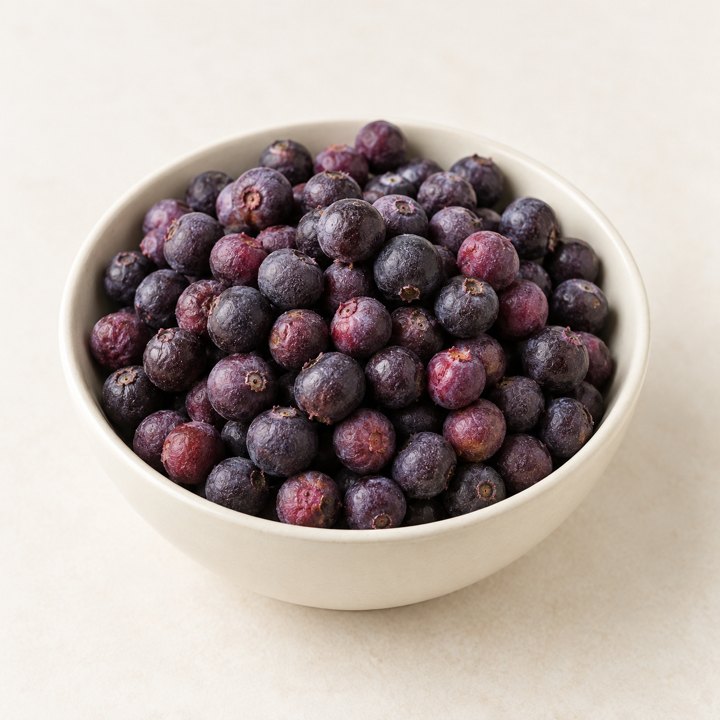
Falsa is Grewia asiatica, also spelled phalsa; a small purple-black edible fruit. Its eating character is tangy, astringent and sweet around relatively large seeds.
What is falsa? Names, flavour and types
Falsa is Grewia asiatica, also spelled phalsa; a small purple-black edible fruit. Its eating character is tangy, astringent and sweet around relatively large seeds.
The main forms to recognise are small seed-bearing fruit sold in mixed ripeness; named commercial types are less standardised than for mango. Choose the form and ripeness specified by the recipe.
Origins, cultivation and the Pakistan market
Native across a broad southern Asian-to-Australasian range according to Kew; long local use predates modern commercial fruit marketing. The relevant botanical or crop background is documented in Grewia asiatica L. | Plants of the World Online | Kew Science.
Growing conditions and producing countries: A warm-climate shrub or small tree, particularly familiar in India and Pakistan. A short-season summer fruit commonly sold fresh for falsa juice or sharbat. Delicate fruit requires careful packing and cooling, and air-freighted or imported berries can cost much more than local seasonal alternatives. Frozen fruit is a distinct practical option for cooked fillings and drinks, where a slightly softer texture is usually acceptable.

How to prepare, cook and substitute it
Sort, rinse gently and mash with clean water; strain out seeds for falsa juice. Add sugar gradually because ripe batches vary substantially in tartness
Soften clean ripe fruit with a little water, mash gently and press through a sieve rather than running a powerful blender for a long time. The aim is to extract the coloured pulp and juice without pulverising the relatively large seeds. Add more water gradually until the drink has the desired strength. Taste before adding sugar, black salt or spices because the fruit’s acidity changes with ripeness. Clean water, clean ice and refrigeration matter as much as the sweetness of the final sharbat.
Handle tender fruit in a shallow bowl rather than crushing the lower layer under a deep pile. Rinse shortly before use, drain well and remove stalks, stones or damaged pieces as appropriate. For baking, consider how much juice the fruit will release: a very ripe fresh batch and a thawed frozen batch can behave differently. Fold gently into batter or cream. If making a sauce, cook to the required thickness before adding it to a cake so that excess juice does not soak the sponge or loosen a filling.
A useful starting substitute is tart berries for a similar colour and acidity, though not the characteristic falsa aroma. Adjust the recipe for the replacement’s texture and moisture.
Buying and storing it well
Look for sound dark fruit without fuzzy growth or a sour fermented odour. Buy an amount that can be used while its texture is still suitable for the intended dish. Trim away ordinary damaged portions where appropriate, but reject a product showing active decay or an abnormal smell rather than hiding it in a strongly spiced preparation.
For storage, refrigerate promptly and use quickly; freeze strained unsweetened pulp if needed. Keep prepared portions separate from unwashed produce and raw animal foods. Use a clean covered container for cut or cooked food, and label frozen portions so the oldest batch is used first. The condition at purchase, kitchen temperature and packaging all affect keeping quality; a fixed number of days is not a guarantee of safety.
Nutrition, benefits and practical cautions
The nutritional contribution is fruit pigments, a little fibre when pulp is retained, and variable micronutrients. USDA FoodData Central distinguishes raw, cooked, dried and processed forms. Recipe totals must also account for added oil, cream, sugar or syrup.
Sweetened sharbat is not a treatment for heat illness or diabetes; street-prepared drinks depend on safe water and ice. Its role in a balanced meal depends on portion size and preparation. Whole foods and concentrated supplements are different products and should not be treated as interchangeable.
Recipes using falsa
Use the linked recipes to match preparation to the finished dish. Check whether the ingredient quantity means whole purchased weight, peeled edible weight, drained weight or a cooked portion before shopping. This is especially helpful when a recipe needs a thick filling or a carefully balanced drink.
For related Urdu names, pantry ingredients and cooking combinations, see the Pakistani ingredients and spices guide.
Names and forms used in our recipes
View the recipe names covered by this guide
- falsa berries
Frequently Asked Questions
How can falsa juice be made without crushing the seeds?
Soften clean ripe fruit with a little water, mash gently and press through a sieve rather than running a powerful blender for a long time. The aim is to extract the coloured pulp and juice without pulverising the relatively large seeds. Add more water gradually until the drink has the desired strength. Taste before adding sugar, black salt or spices because the fruit’s acidity changes with ripeness. Clean water, clean ice and refrigeration matter as much as the sweetness of the final sharbat.
How should I store falsa?
Refrigerate promptly and use quickly; freeze strained unsweetened pulp if needed.
What should I consider before serving falsa?
Sweetened sharbat is not a treatment for heat illness or diabetes; street-prepared drinks depend on safe water and ice.
Keep Exploring
Related places and stories on DailyLife.pk

How we know this
- Type Explainer
- Sources 4 (2 official/academic)
- Reviewed November 2026
- Disputed points None
4 sources
Photo credits (1)
- I-11 Sabze Mande, Islamabad.jpg, Pakieditor, CC BY-SA 4.0, via Wikimedia Commons
