
Ingredients & Spices · The complete guide
Cherry juice
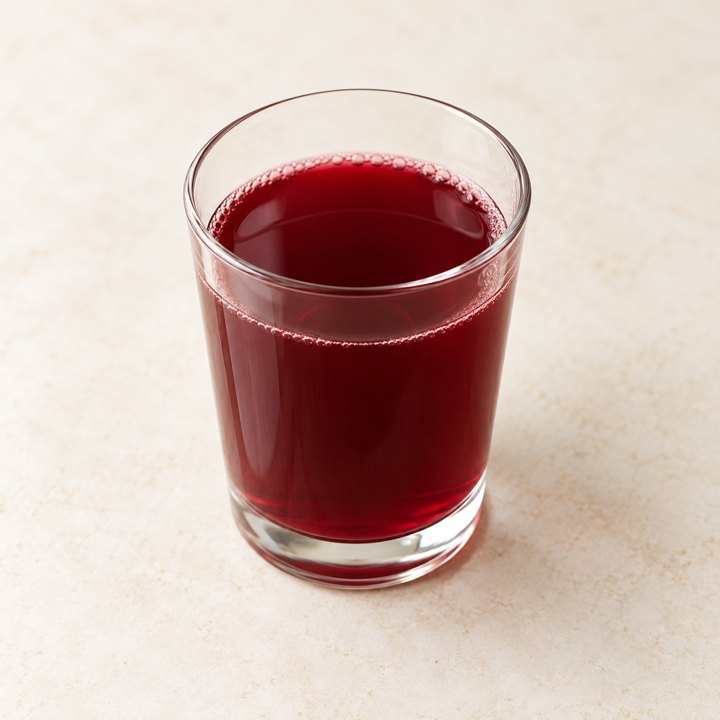
Cherry juice is pressed cherry liquid, made from sweet or sour cherries or a blend. In Urdu it is commonly described as cherry ka juice.
What it is and local names
Cherry juice is pressed cherry liquid, made from sweet or sour cherries or a blend. In Urdu it is commonly described as cherry ka juice. Tart cherry concentrate, sweetened cherry drink and syrup from canned cherries are different ingredients with different dilution and sweetness.
Origins and documented history
Cherries were eaten and preserved long before modern juice packaging. The juice has no securely identified single inventor. Historical use of the fruit does not establish a date for today’s tart-cherry concentrates or the soaking liquid used in a Black Forest-style cake.
Reference: FAO: History and background of juice production.
Types and manufacture
Fruit is sorted, washed, pitted as required, pressed and processed. The liquid can be filtered, concentrated or blended before heat treatment and packing. A concentrate must be reconstituted according to its label if the recipe expects ordinary juice.
Production, trade and Pakistan
Cherry-growing and processing regions include Turkey, Poland and the United States. Pakistan grows cherries in suitable northern and upland areas, while bottled juice and concentrates may be imported. Check the actual juice origin rather than assuming it matches the brand’s address.
Reference: USDA FAS: Stone fruit, world markets and trade, September 2024; Pakistan Horticulture Development and Export Company: Fruit crop profiles.
How to use it
It gives fruit flavour and moisture to alcohol-free Black Forest cake. Add gradually to the sponge because an oversoaked layer becomes difficult to lift. Tart juice can balance sweet cream, while a sweet drink may make the whole cake cloying.
Nutrition, benefits and limits
It contains fruit sugars and pigments but generally much less fibre than whole cherries. Nutrient composition varies by fruit type and concentration. Evidence about a studied tart-cherry product should not be generalized to every sweetened cherry beverage.
Drawbacks, allergens and precautions
Use pasteurized or otherwise treated juice where safety matters. Acidity does not guarantee freedom from harmful microorganisms. Check added colour, other fruit juices and sweeteners if a specific product is needed.
Substitutions and storage
Unsweetened berry juice gives a related colour but another flavour. Apple juice can provide soaking liquid with less cherry character. A little cherry preserve diluted and strained changes sweetness and should be tested first.
Refrigerate after opening as directed. Freeze small measured portions for baking. Do not use fermented, mouldy or mishandled juice as a way to avoid wasting an expensive bottle.
Buying the right juice
Compare the ingredient list with the front label. A product sold as a fruit drink, nectar or squash can contain added water and sugar, whereas a juice concentrate needs the stated dilution before it behaves like ordinary juice. Clear and cloudy juices are different kitchen ingredients: suspended pulp adds body, can cloud a jelly and may settle during storage. For a recipe that needs transparency, use the specified clear product rather than straining a thick nectar and assuming it has become equivalent.
Working with sweetness and acidity
Taste the juice before adding sugar to a sauce or dessert. A reduction concentrates both sugar and fruit acids, so a pleasant drink can become sharply sweet when boiled down. Use a small pan and gentle heat for a measured reduction, then cool a sample before judging its thickness. When adding juice to a milk preparation, test a spoonful first: the acid can curdle milk. To make fruit ice, allow room in the container for expansion and expect the frozen flavour to seem less sweet.
Nutrition and handling in context
Juice is useful for flavour, moisture and some fruit nutrients, but removing the fruit structure usually leaves much less fibre than eating the whole fruit. Even a product without added sugar contains naturally occurring sugars. Treat a glass as a portion of juice rather than an unlimited substitute for water. Pasteurization or another validated treatment addresses microorganisms; it does not turn a sweet drink into a low-sugar food. Refrigerate opened juice as directed, pour into a clean glass, and avoid returning unused liquid to the carton.
Choosing a substitution by function
Before replacing a juice, identify whether it supplies fruit flavour, acidity, sweetness or a soaking liquid. Water can replace moisture but removes the fruit character; a different fruit juice changes acidity and colour as well. A clear juice is usually easier to substitute in a clear gel than a pulpy one. In a savoury glaze, reduce the added sweetener first and taste after cooking. Do not assume that a syrup, cordial or concentrated extract can replace juice in equal volume. Read its dilution instructions and consider the extra sugar it would bring.
Recipes and the Pakistani pantry
Use this ingredient in Black Forest Cake. Explore related ingredients in the Pakistani ingredients and spices pantry.
Names and forms used in our recipes
View the recipe names covered by this guide
- cherry juice
Frequently Asked Questions
What should I check when buying cherry juice?
Check sweet versus tart cherry, treatment, and whether the bottle is ready-to-drink juice or concentrate. Packing syrup from cherries is usually sweeter.
What can replace cherry juice in a recipe?
Unsweetened berry juice gives a related colour but another flavour. Apple juice can provide soaking liquid with less cherry character.
How should cherry juice be stored?
Refrigerate after opening as directed. Freeze small measured portions for baking.
Keep Exploring
Related places and stories on DailyLife.pk

How we know this
- Type Explainer
- Sources 5 (4 official/academic)
- Reviewed November 2026
- Disputed points None
