
Ingredients & Spices · The complete guide
Pine nuts (Chilgoza)
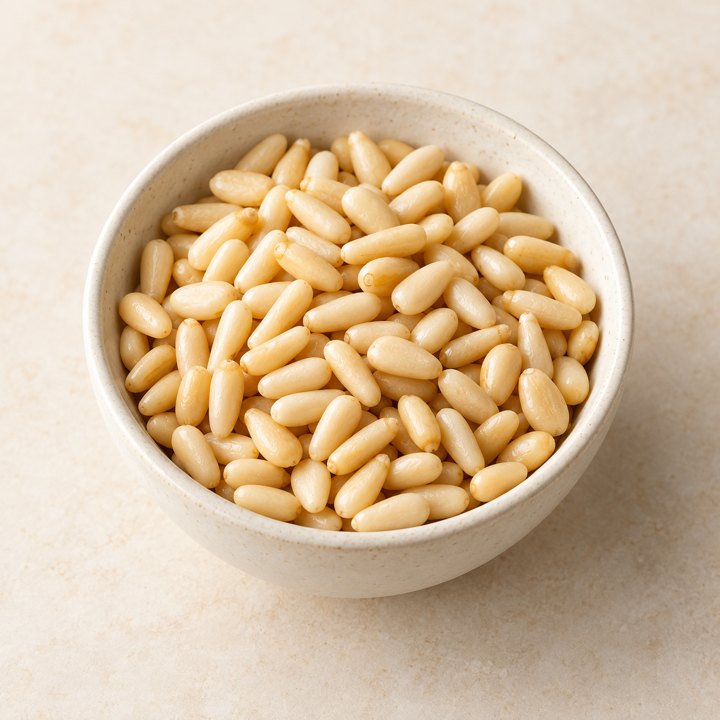
Pine nuts are edible seeds from certain Pinus species, not a single worldwide cultivar. In Pakistan, chilgoza specifically refers to the elongated edible seed of Pinus gerardiana.
What it is and what to buy
Pine nuts are edible seeds from certain Pinus species, not a single worldwide cultivar. In Pakistan, chilgoza specifically refers to the elongated edible seed of Pinus gerardiana. Mediterranean stone pine and several Asian pines also supply the international pine-nut market. A short, rounded imported kernel and a long chilgoza kernel can therefore both be pine nuts without being identical. For pesto, sound shelled food-grade kernels matter more than perfect whole in-shell appearance.
Culinary nuts are valued for their crisp bite, rich oils and ability to turn into a smooth paste. Botanical categories differ: some foods sold as nuts are seeds inside a fruit, and peanuts are legumes. Whole, split, chopped, blanched, roasted and ground forms change how quickly flavour develops and how much texture survives in a dish. A recipe asking for a pale, unsalted paste needs a different purchase from one asking for a salted snack or a bright decorative garnish.
Origins and food history
Pinus gerardiana is native to mountain areas of Afghanistan, Pakistan and adjacent Himalayan regions. Pakistan’s forest authorities and FAO identify chilgoza as a valuable edible forest seed. Other pine-nut species have their own Mediterranean or Asian native ranges. No single person discovered all pine nuts, and a species description or botanical publication date is not the first date people ate its seeds. Local collection traditions predate modern commercial packaging.
Reference: Gilgit-Baltistan forest department: chilgoza.
Growing regions, trade and Pakistan
Pakistan and Afghanistan are established chilgoza origins, while China and several Mediterranean countries supply other pine-nut species. FAO describes Pakistan’s chilgoza value chain and the importance of international demand, including Chinese buyers, for mountain communities. These are forest-product supply chains, so sustainable cone harvesting and regeneration matter alongside kernel quality. A processor or exporter may handle imported cones or kernels; the country on a packet should be read with the species and declared origin rather than assumed to prove one particular forest source.
Reference: FAO: Pakistan chilgoza value chain.
How to prepare and cook it
Toast shelled kernels over moderate heat and watch continuously: their small size and rich oil content make them colour quickly. Remove them from the hot pan as soon as they are lightly golden. For pesto, cool before blending so the heat does not unnecessarily warm the herbs and oil. Add a small toasted garnish just before serving to preserve crunch. In-shell chilgoza must be shelled before adding to a blended sauce; the shell is not a usable source of texture.
Put this form of the ingredient to work in Pesto Pasta. The method in each recipe determines whether it should be raw, soaked, ground, freshly cooked or chilled before it enters the dish.
Nutrition, benefits and their limits
An unsalted nut portion contributes unsaturated fats, some protein, fibre and minerals, although the balance varies between species. Nuts are energy dense, so a small handful and a bowlful are quite different additions to a meal. They can improve dietary variety and replace some less nutritious snack choices, but are not a medicine. Sugar coatings, added salt, deep frying and the large quantities of ghee used in some sweets alter the finished food’s nutritional profile.
Allergies, disadvantages and safe handling
Tree-nut allergies can be serious. Identify the actual nut in a paste or mixed garnish rather than describing it simply as dry fruit. A substitute from another nut family is not automatically safe for an allergic diner. Whole nuts and large hard pieces also pose a choking risk for young children and people with swallowing difficulty; use an age-appropriate smooth or finely prepared form. Mouldy or rancid nuts should be discarded, not disguised with heavy roasting or spices.
Practical substitutions
Walnuts, almonds or sunflower seeds can make a good pesto-style sauce but produce a different flavour. Check allergies independently for every alternative. A blend may be economical, but a menu should identify the nuts actually used. Avoid ornamental or unidentified pine seed; not every pine product is sold as edible food.
Keeping it fresh
Buy from a seller with good stock rotation and keep nuts sealed away from light, heat, moisture and strong smells. Shelled and especially ground nuts lose freshness faster than intact in-shell nuts because more oil is exposed. Refrigeration or freezing is useful in a hot Pakistani kitchen. Bring a sealed container to room temperature before opening to limit condensation. Date the packet and discard kernels that smell paint-like, bitterly stale or musty; normal colour alone does not prove freshness.
For related ingredients and shopping terms, see the Pakistani ingredients and spices pantry guide.
Names and forms used in our recipes
View the recipe names covered by this guide
- pine nuts
Frequently Asked Questions
Are all pine nuts chilgoza?
No. Chilgoza usually means Pinus gerardiana; international pine nuts come from several edible pine species.
Why are pine nuts expensive?
Cone collection, shelling, forest supply, species and processing yield influence cost. A current retail price cannot be inferred from the generic name.
Keep Exploring
Related places and stories on DailyLife.pk

How we know this
- Type Explainer
- Sources 5 (3 official/academic)
- Reviewed November 2026
- Disputed points None
5 sources
Photo credits (1)
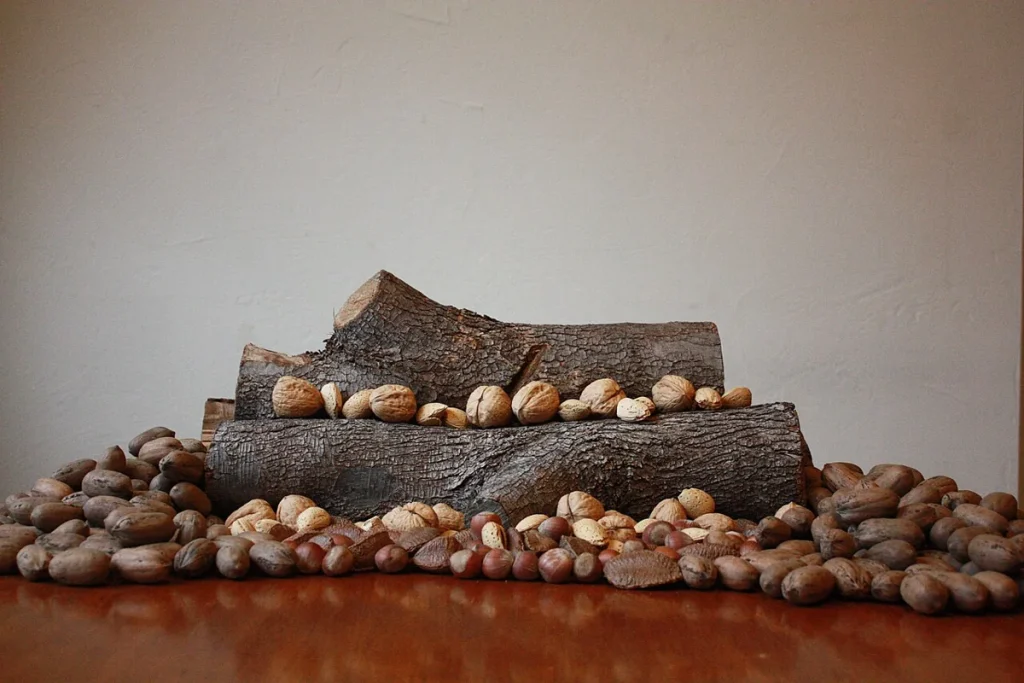
- Pecans, hazelnuts, walnuts, almonds, Brazil nuts on a table with logs 1.jpg, Baileynorwood, CC0, via Wikimedia Commons
