
Ingredients & Spices · The complete guide
Shahi jeera
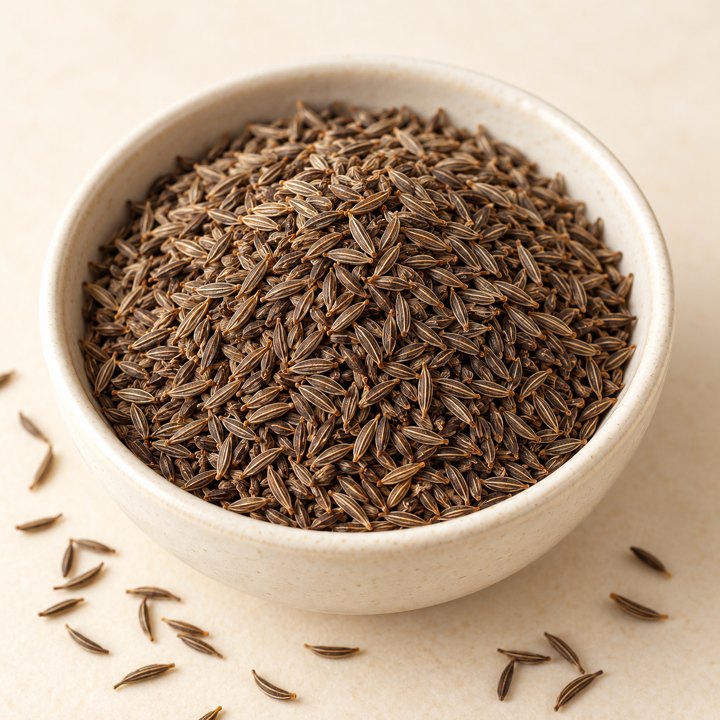
Shahi jeera is generally the slender dark spice known botanically as Elwendia persica, widely encountered under the synonym Bunium persicum.
What it is and names to know
Shahi jeera is generally the slender dark spice known botanically as Elwendia persica, widely encountered under the synonym Bunium persicum. Common names can overlap with caraway or black cumin, so it must be distinguished from kalonji and ordinary cumin.
Origins, producing regions and Pakistan context
It is associated with the Iranian, Central Asian and Himalayan regional spice traditions. Botanical naming changes do not represent the first use of the spice, and a precise culinary discoverer is unknown.
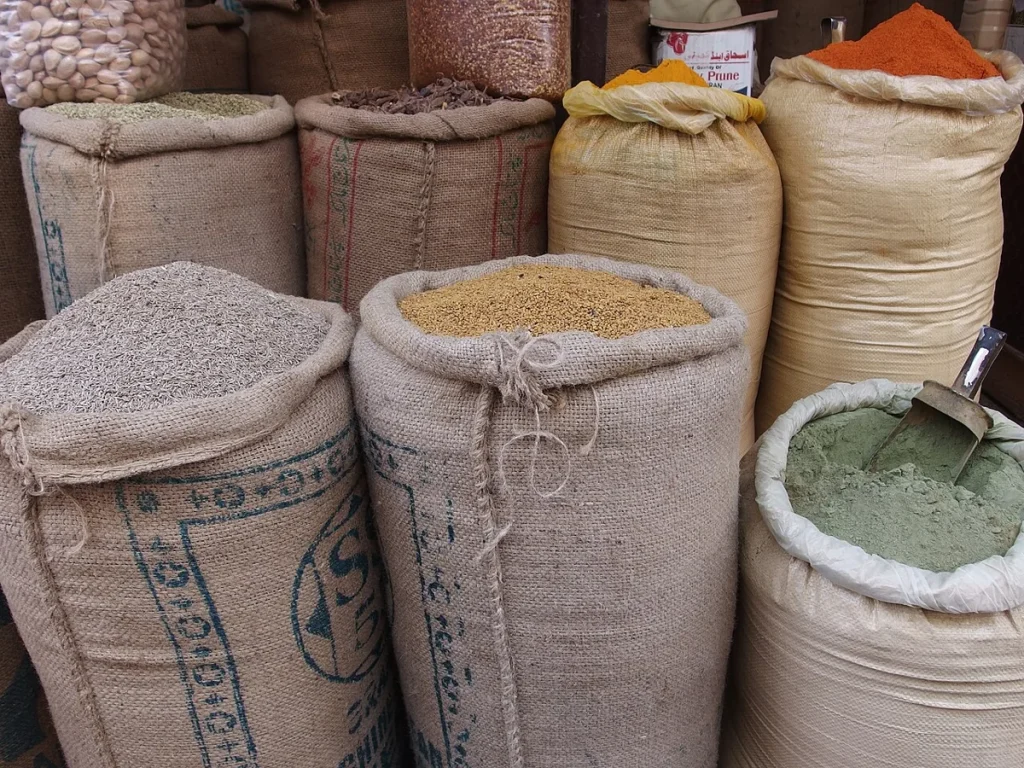
The crop and wild-harvest traditions occur across its regional range, including areas around Iran, Afghanistan and the western Himalaya. Pakistani spice sellers may use several English names for the same trade item. Whole and processed forms can cross borders separately: a spice may be imported, milled and repacked before sale in Pakistan. The growing countries listed here are not a claim about the direct supplier of a particular Pakistani packet.
Background: Royal Botanic Gardens, Kew: plant identity and range.
Types and buying advice
Ask for the slender Elwendia persica or Bunium persicum trade spice and inspect it. Angular kalonji and ordinary tan cumin are different ingredients.
How to cook with it
Use gently in Kashmiri-style rice, dum aloo or a refined whole-spice masala. Its fragrance can be more delicate than ordinary cumin, so brief blooming is preferable to dark roasting.
Smell and inspect a packet before substitution. A black angular seed is likely kalonji, not the narrow curved fruit sought for shahi jeera.
Common names need particular care here. A seller may use black cumin for shahi jeera, ordinary dark cumin or kalonji. Ask to see the seeds and, where available, a botanical label. In a delicately spiced rice dish, a small amount bloomed briefly allows the aroma to remain clear. Strong dark roasting can erase that delicacy. If substituting ordinary cumin, accept its more familiar earthy note rather than adding more in pursuit of a missing fragrance.
Try the ingredient in Kashmiri Dum Aloo. Follow each recipes specified form and quantity, since whole pieces and fine powder season food differently.
For related pantry ingredients, see the Pakistani ingredients and spices guide.
For an aromatic rice dish, add a modest quantity to warm fat and stop the blooming stage as soon as it smells fragrant. Add the next ingredient promptly. Keep the dish otherwise restrained while learning the spice, so ordinary cumin, black cardamom or heavy garam masala does not obscure the difference you are trying to assess.
Nutrition and realistic benefits
At the quantities usually used in a household dish, the main benefit is flavour rather than a large contribution of protein, vitamins or minerals. Composition tables often describe 100 grams, far more than an ordinary serving. A small seasoning quantity should not be advertised as a practical way to meet a daily mineral requirement. Aromatic food can help make simple lentils, vegetables and rice appealing, but the whole meals balance of ingredients, salt and fat still matters.
Disadvantages and precautions
Uncertain common names can lead to buying the wrong ingredient. Do not attach health claims for Nigella sativa black seed to this botanically different spice.
Dry spices are not sterile foods. FDA food-safety guidance explains practical handling. Buying from a traceable food supplier is more dependable than trying to judge safety from appearance alone.
Substitutions and storage
Ordinary cumin is the most accessible adaptation, with an earthier result. Caraway can fit some rice dishes but brings its own distinct flavour.
Keep in a clean, tightly closed food container in a cool dry cupboard, away from the cooker and direct sun. Whole pieces generally retain aroma better than the same spice left ground. Date the jar when opened and buy an amount you can use while fragrant. Crush a small sample periodically: fading aroma means weaker flavour, while dampness, insects or a musty smell are reasons to discard it. Never tip a wet spoon into a dry-spice jar.
Names and forms used in our recipes
View the recipe names covered by this guide
- shahi jeera
Frequently Asked Questions
What should I ask when a seller says black cumin?
Common names need particular care here. A seller may use black cumin for shahi jeera, ordinary dark cumin or kalonji.
What can I use instead of shahi jeera?
Ordinary cumin is the most accessible adaptation, with an earthier result. Caraway can fit some rice dishes but brings its own distinct flavour.
What is the main caution with shahi jeera?
Uncertain common names can lead to buying the wrong ingredient. Do not attach health claims for Nigella sativa black seed to this botanically different spice.
Keep Exploring
Related places and stories on DailyLife.pk

How we know this
- Type Explainer
- Sources 3 (1 official/academic)
- Reviewed November 2026
- Disputed points None
3 sources
Photo credits (1)
- Spice market @ Walled City @ Lahore (15449651456).jpg, Guilhem Vellut from Annecy, France, CC BY 2.0, via Wikimedia Commons
