
Ingredients & Spices · The complete guide
Bean sprouts
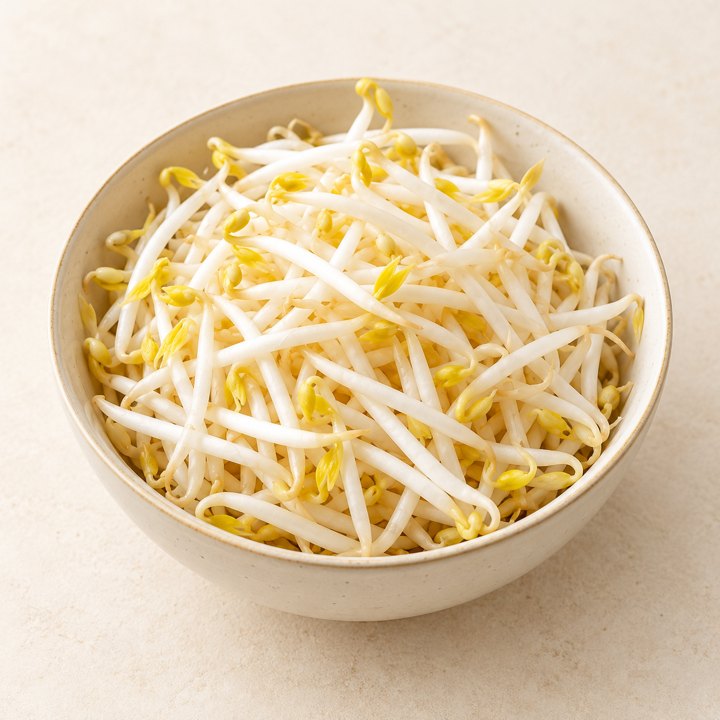
Bean sprouts are germinated edible beans, most often mung beans, Vigna radiata, in South Asian groceries. Its eating character is watery crunch with a fresh bean flavour.
What is bean sprouts? Names, flavour and types
Bean sprouts are germinated edible beans, most often mung beans, Vigna radiata, in South Asian groceries. Its eating character is watery crunch with a fresh bean flavour.
The main forms to recognise are mung sprouts with slender white stems; soybean sprouts are larger and may need longer cooking. Choose the form and ripeness specified by the recipe.
Origins, cultivation and the Pakistan market
Sprouting is a preparation technique used for centuries in Asian cooking; it has no established single inventor. The relevant botanical or crop background is documented in Kew — Vigna radiata, the mung bean.
Growing conditions and producing countries: Produced in warm, moist sprouting rooms rather than harvested as field shoots; China and Southeast Asian countries have extensive culinary traditions. Sold fresh or grown by food businesses; source hygiene matters more than attractive whiteness. Fresh, frozen and canned versions are separate market products. The best choice depends on the intended texture and whether the product is already cooked, salted or packed in liquid. Compare usable trimmed weight as well as purchase price when deciding between them.

How to prepare, cook and substitute it
Rinse, drain and cook thoroughly; add to pad thai while enough heat remains to cook them through rather than treating a warm garnish as a safety step
It can preserve crunch, but raw sprouts also bring a food-safety concern that is not solved by a quick rinse. For a safer finished dish, cook sprouts thoroughly rather than leaving them as an uncooked table garnish. Keep other crisp elements separate: peanuts, cooked vegetables and an appropriate fresh garnish can provide texture without making raw sprouts essential. If a restaurant dish includes sprouts, request thorough cooking, particularly for someone at increased risk of serious foodborne illness.
Prepare pieces of similar thickness and decide whether the dish needs a crisp bite or a fully softened texture. In a stir-fry, water left on washed ingredients can cool the pan and dilute the sauce. In a soup or curry, a little extra moisture may instead be useful. Keep the prepared ingredient separate from raw meat until the recipe’s cooking stage, and use clean utensils for the final garnish. A small test portion can establish cooking time when the available market variety is unfamiliar or noticeably more mature than usual.
A useful starting substitute is thin cabbage for crunch in stir-fries, or cooked green beans with a different flavour. Adjust the recipe for the replacement’s texture and moisture.
Buying and storing it well
Look for refrigerated crisp sprouts without slime or an unpleasant smell; appearance cannot rule out pathogens. Buy an amount that can be used while its texture is still suitable for the intended dish. Trim away ordinary damaged portions where appropriate, but reject a product showing active decay or an abnormal smell rather than hiding it in a strongly spiced preparation.
For storage, keep refrigerated and use quickly; respect packaged use-by dates. Keep prepared portions separate from unwashed produce and raw animal foods. Use a clean covered container for cut or cooked food, and label frozen portions so the oldest batch is used first. The condition at purchase, kitchen temperature and packaging all affect keeping quality; a fixed number of days is not a guarantee of safety.
Nutrition, benefits and practical cautions
The nutritional contribution is water, some vitamin C and folate, but not the protein concentration of dry beans. USDA FoodData Central distinguishes raw, cooked, dried and processed forms. Recipe totals must also account for added oil, cream, sugar or syrup.
Raw sprouts carry a particular bacterial risk; high-risk groups should choose thoroughly cooked sprouts. The relevant precaution is explained by Health Canada — Sprout food safety. Its role in a balanced meal depends on portion size and preparation. Whole foods and concentrated supplements are different products and should not be treated as interchangeable.
Recipes using bean sprouts
Use the linked recipes to match preparation to the finished dish. Check whether the ingredient quantity means whole purchased weight, peeled edible weight, drained weight or a cooked portion before shopping. This is especially helpful when a recipe needs a thick filling or a carefully balanced drink.
For related Urdu names, pantry ingredients and cooking combinations, see the Pakistani ingredients and spices guide.
Names and forms used in our recipes
View the recipe names covered by this guide
- bean sprouts
Frequently Asked Questions
Does adding sprouts at the table make pad thai crisper?
It can preserve crunch, but raw sprouts also bring a food-safety concern that is not solved by a quick rinse. For a safer finished dish, cook sprouts thoroughly rather than leaving them as an uncooked table garnish. Keep other crisp elements separate: peanuts, cooked vegetables and an appropriate fresh garnish can provide texture without making raw sprouts essential. If a restaurant dish includes sprouts, request thorough cooking, particularly for someone at increased risk of serious foodborne illness.
How should I store bean sprouts?
Keep refrigerated and use quickly; respect packaged use-by dates.
What should I consider before serving bean sprouts?
Raw sprouts carry a particular bacterial risk; high-risk groups should choose thoroughly cooked sprouts.
Keep Exploring
Related places and stories on DailyLife.pk

How we know this
- Type Explainer
- Sources 6 (2 official/academic)
- Reviewed November 2026
- Disputed points None
6 sources
Photo credits (1)
- I-11 Sabze Mande, Islamabad.jpg, Pakieditor, CC BY-SA 4.0, via Wikimedia Commons
