
Ingredients & Spices · The complete guide
Sambar powder
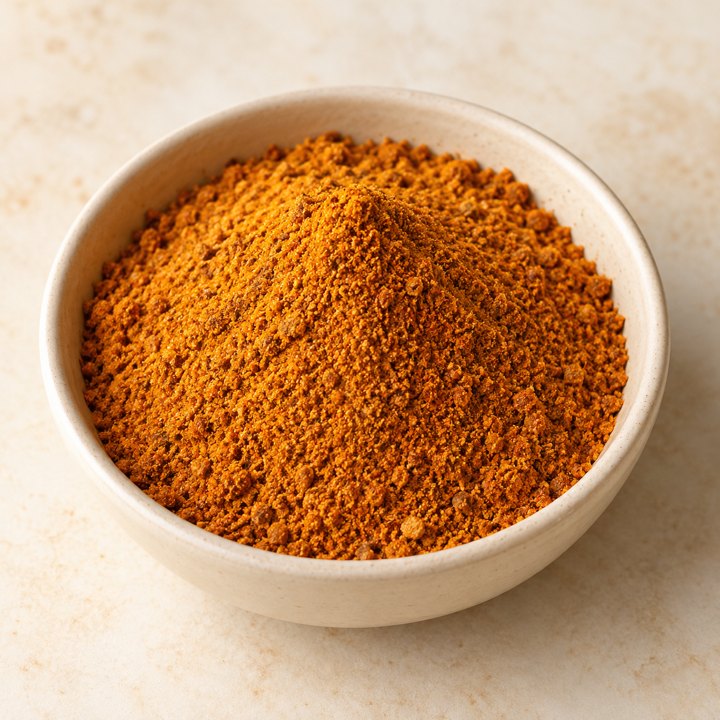
Sambar powder is a spice blend for the South Indian lentil-and-vegetable stew. Coriander, dried chilli, cumin, fenugreek and often roasted pulses are characteristic, but recipes vary.
What it is and names to know
Sambar powder is a spice blend for the South Indian lentil-and-vegetable stew. Coriander, dried chilli, cumin, fenugreek and often roasted pulses are characteristic, but recipes vary. It is different from garam masala and from complete instant sambar mix.
Origins, producing regions and Pakistan context
The blend belongs to diverse South Indian cooking traditions. Popular royal-invention stories about sambar are not a secure basis for declaring an exact origin or the inventor of every powder.
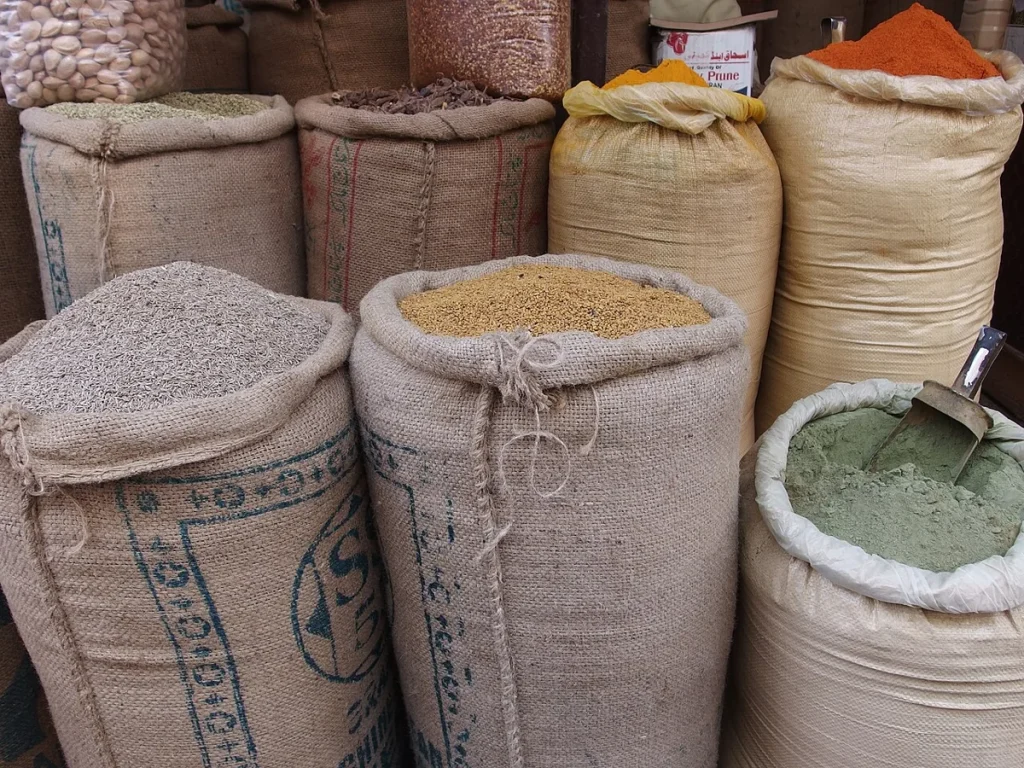
It is manufactured in India and by regional food businesses elsewhere. Pakistani shoppers may find imported packets in stores carrying idli, dosa and other South Indian ingredients. The finished blend can be exported separately from its raw ingredients and imported for retail sale. A Pakistan-made pack and an imported finished masala can therefore have similar recipes but different supply chains.
Background: Spices Board: crop and ingredient reference.
Types and buying advice
Distinguish spice powder from instant sambar mix. Check for roasted pulses, mustard and wheat-containing compounded hing if dietary restrictions matter.
How to cook with it
Bloom gently or stir into simmering dal, vegetables and tamarind according to the recipe. If the blend contains roasted pulses, allow enough liquid and simmering time for a smooth consistency.
Hold back some tamarind and salt until the powder has been tasted. A finished tadka of mustard and curry leaves is a separate flavour stage, not necessarily included in the dry blend.
Cook the lentils and vegetables according to the full sambar recipe rather than expecting powder to create their texture. Tamarind, the dry blend and the final tempering each contribute a separate layer. A blend with roasted pulses may thicken slightly as it hydrates, so leave enough liquid. If the finished stew tastes raw and dusty, additional gentle simmering may help more than another spoonful. Check for sufficient liquid and stir to prevent a thick bottom layer from catching.
Try the ingredient in Idli Sambar. Follow each recipes specified form and quantity, since whole pieces and fine powder season food differently.
For related pantry ingredients, see the Pakistani ingredients and spices guide.
For a vegetable sambar, let the blend simmer into the cooked dal and vegetables with sufficient liquid before adding any final tempering. Taste once the tamarind and powder are integrated. An extra spoon of powder also adds its particular bitterness and heat, so it is not a neutral way to thicken a thin stew.
Nutrition and realistic benefits
A blend takes its nutritional composition from the specific ingredients and their proportions. At normal seasoning quantities it is primarily a flavouring, not a substantial source of protein or vitamins. The most useful label details are often sodium, allergens and added ingredients rather than claims about antioxidants. If a blend improves a simple vegetable or lentil dish, that benefit comes through the completed meal. It does not cancel a large amount of salt, butter or frying oil.
Disadvantages and precautions
Check for asafoetida compounded with wheat, mustard and other declared allergens. Powder alone does not provide the substantial protein found in the lentils of the completed stew.
Dry spices are not sterile foods. FDA food-safety guidance explains practical handling. Buying from a traceable food supplier is more dependable than trying to judge safety from appearance alone.
Substitutions and storage
A home mixture of toasted coriander, chilli, cumin, a little fenugreek and roasted dal can approximate it. Generic curry powder gives a different result.
Close the pack promptly and store it cool, dry and away from light. A mixture is only as fresh as its most vulnerable component; ground spices lose aroma, and oily seeds can develop stale flavours. Use a dry spoon, label homemade blends with the date and ingredients, and make a small batch first. Follow any packet instruction to refrigerate after opening. Do not mix a fresh batch into a damp or dirty container, and discard mouldy or musty seasoning.
Names and forms used in our recipes
View the recipe names covered by this guide
- sambar powder
Frequently Asked Questions
Does sambar powder replace lentils and vegetables?
Cook the lentils and vegetables according to the full sambar recipe rather than expecting powder to create their texture. Tamarind, the dry blend and the final tempering each contribute a separate layer.
What can I use instead of sambar powder?
A home mixture of toasted coriander, chilli, cumin, a little fenugreek and roasted dal can approximate it. Generic curry powder gives a different result.
What is the main caution with sambar powder?
Check for asafoetida compounded with wheat, mustard and other declared allergens. Powder alone does not provide the substantial protein found in the lentils of the completed stew.
Keep Exploring
Related places and stories on DailyLife.pk

How we know this
- Type Explainer
- Sources 3 (1 official/academic)
- Reviewed November 2026
- Disputed points None
3 sources
Photo credits (1)
- Spice market @ Walled City @ Lahore (15449651456).jpg, Guilhem Vellut from Annecy, France, CC BY 2.0, via Wikimedia Commons
