
Ingredients & Spices · The complete guide
Galangal
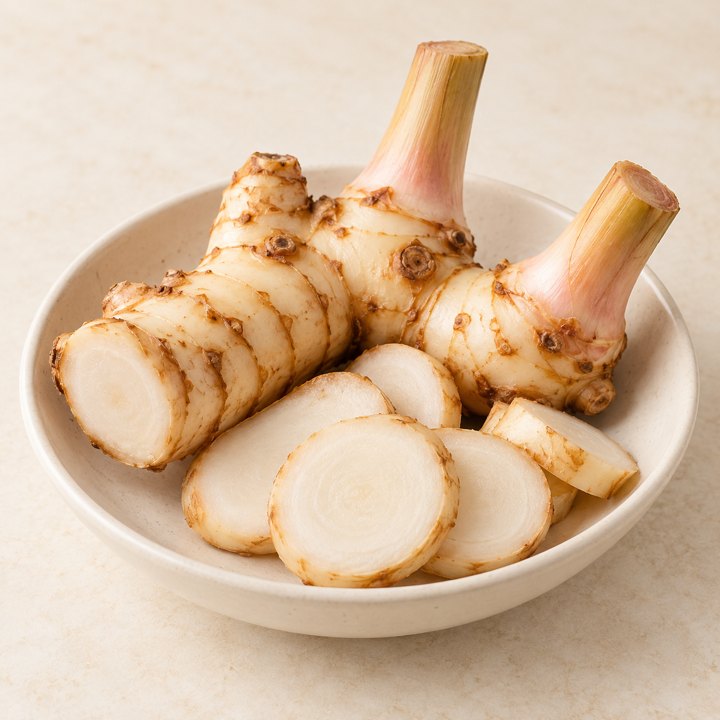
Galangal is a firm aromatic rhizome, most often greater galangal, Alpinia galanga, in Thai cooking. It has a citrus-pine fragrance and peppery edge.
What it is and names to know
Galangal is a firm aromatic rhizome, most often greater galangal, Alpinia galanga, in Thai cooking. It has a citrus-pine fragrance and peppery edge. Although it resembles ginger, the two are different plants and do not taste the same.
Origins, producing regions and Pakistan context
Greater galangal is associated with Southeast Asian food traditions. It also travelled in Asian spice commerce; assigning it to a modern national inventor would misrepresent a regional crop history.
Indonesia, Thailand and other Southeast Asian countries cultivate it; the Spices Board also records cultivation in India, Bangladesh and China. Pakistani buyers may find fresh, frozen or dried imported galangal.
Background: Spices Board: crop and ingredient reference.

Types and buying advice
Choose a firm fragrant rhizome and distinguish it from ginger. A younger tender section is easier to pound into an edible paste.
How to cook with it
Slice thinly for tom yum, coconut soups and Thai curry pastes. Thick slices are usually used for infusion and left uneaten; grind finely when they must become part of the paste.
Cut across the fibres with a sharp knife. For a soup, lightly bruise slices to release aroma, then remove or warn diners about the woody pieces.
The pale interior can be very hard, particularly in an older rhizome. For paste, select a fresher tender section and slice extremely thinly across the fibres before pounding. For soup, larger bruised pieces are useful because they can be retrieved easily. Do not expect a thick slice to become soft like a cooked potato. If you substitute ginger, describe the result as an adaptation; the soup may still be enjoyable but will carry a different aroma.
Try the ingredient in Thai Soup. Follow each recipes specified form and quantity, since whole pieces and fine powder season food differently.
For related pantry ingredients, see the Pakistani ingredients and spices guide.
For a coconut soup, cut several thin slices from a sound rhizome and bruise them gently before adding to the liquid. Keep them large enough to recognise and remove. For a curry paste, use the tender inner portion and mince very finely across the grain before pounding with the other aromatics. These approaches cannot be swapped casually: coarse soup slices remain woody in an otherwise smooth curry, while finely ground galangal cannot be fished out if its flavour becomes too strong.
Nutrition and realistic benefits
The fresh ingredient adds aroma and can contribute small amounts of nutrients, depending on the quantity eaten. A few slices or a spoonful shared across a family pan are not the same dietary exposure as a large vegetable serving. Use it as part of a varied meal rather than increasing the amount to seek a therapeutic effect. Research involving extracts, capsules or isolated active compounds does not establish what the normal cooking portion will do.
Disadvantages and precautions
Do not force hard slices through a weak blender. Galangal powders sold as supplements are not automatically equivalent in quality or dosage to a food-grade rhizome.
Clean handling matters even for a small garnish. FDA food-safety guidance explains practical handling. Buying from a traceable food supplier is more dependable than trying to judge safety from appearance alone.
Substitutions and storage
Ginger plus a little lime zest makes a workable adaptation, but lacks the pine-like character. Dried galangal is closer botanically, though less fresh and juicy.
Buy firm sound produce and reject obvious rot or mould. Wash under running water before cutting so the knife does not carry dirt into the flesh; do not use household detergent. Store the fresh ingredient appropriately chilled when it needs refrigeration, and freeze small prepared portions if a surplus would otherwise spoil. A frozen aromatic is often useful in a cooked dish even when it no longer has the texture of a fresh garnish. Keep it separate from raw meat juices.
Names and forms used in our recipes
View the recipe names covered by this guide
- galangal
Frequently Asked Questions
Which galangal is easiest to pound into paste?
The pale interior can be very hard, particularly in an older rhizome. For paste, select a fresher tender section and slice extremely thinly across the fibres before pounding.
What can I use instead of galangal?
Ginger plus a little lime zest makes a workable adaptation, but lacks the pine-like character. Dried galangal is closer botanically, though less fresh and juicy.
What is the main caution with galangal?
Do not force hard slices through a weak blender. Galangal powders sold as supplements are not automatically equivalent in quality or dosage to a food-grade rhizome.
Keep Exploring
Related places and stories on DailyLife.pk

How we know this
- Type Explainer
- Sources 3 (1 official/academic)
- Reviewed November 2026
- Disputed points None
3 sources
Photo credits (1)
- I-11 Sabze Mande, Islamabad.jpg, Pakieditor, CC BY-SA 4.0, via Wikimedia Commons
