
Ingredients & Spices · The complete guide
Vegetable stock
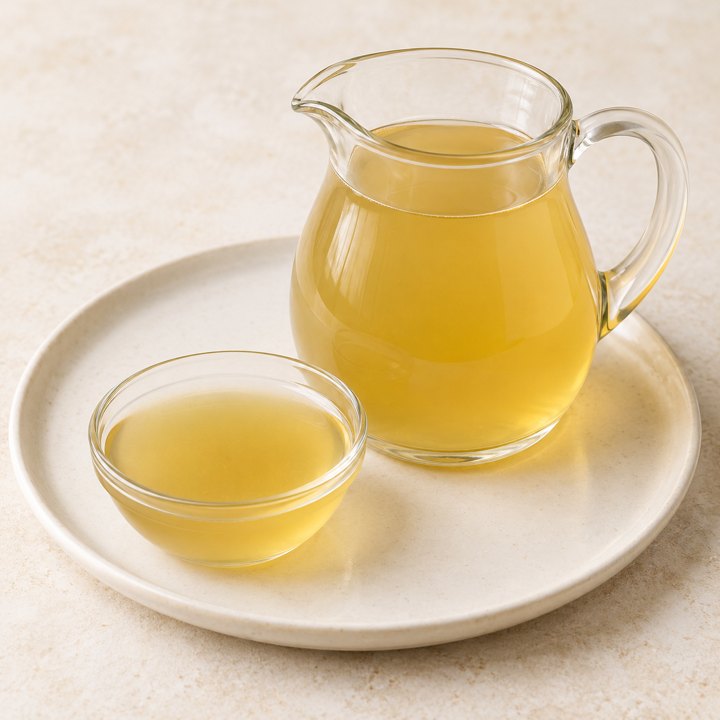
Vegetable stock is strained liquid flavoured with vegetables, herbs and sometimes mushrooms. It is different from blended vegetable soup because most solids are removed.
What it is and names used in Pakistan
Vegetable stock is strained liquid flavoured with vegetables, herbs and sometimes mushrooms. It is different from blended vegetable soup because most solids are removed.
Origin and historical context
It follows the broad practice of simmering edible trimmings and aromatics for flavour, with no meaningful single inventor or crop origin.
Types, manufacture and buying
Onion, carrot, celery and other suitable ingredients are gently simmered and strained. Roasted vegetables give a darker stock; cubes and powders often contain added salt and flavour enhancers.
Decide whether the recipe calls for ready-to-use liquid, a concentrate or a powder. A teaspoon of paste and a cup of finished stock cannot be exchanged by equal volume: reconstitute according to the packet. Unsalted stock offers control when a liquid will reduce or when several sauces add salt. Check that meat species, flavouring sources and certification meet dietary requirements. A stock labelled rich or bone broth may still contain relatively little protein per serving, so compare the nutrition panel rather than relying on promotional language.
Reference: USDA AMS: Shelf-stable soup and broth product types.
Production, trade and the Pakistani pantry
Stock is made in homes and food factories in Pakistan and elsewhere; powdered mixes are widely traded internationally.
Cooking uses and practical substitutions
Use in aush, stir-fry sauces or vegetable-based soups. Avoid excessive brassicas or bitter scraps that dominate the broth. Water with carefully chosen aromatics is a useful substitute when a mild background is needed.
Keep extraction gentle when a clean clear flavour is wanted, and strain through suitable equipment before measuring the finished liquid. Evaporation means the starting water volume is not the amount available for rice or soup. Taste before salting, particularly when reducing the stock into a sauce. Commercial cubes can be convenient, but increasing their concentration increases salt and flavourings together. If a stock is too strong, dilute with safe water; if it is weak, simmer to reduce only when its existing salt level allows. Remove bones and hard fragments carefully.
Nutrition, benefits and limitations
Stock primarily contributes water and flavour. Protein, gelatin, fat and minerals vary widely according to ingredients, extraction and dilution, so an exact nutritional claim cannot be made from the name alone. A strained broth usually contains less fibre than the vegetables used to make it and should not replace actual vegetables or protein foods in a meal. Skimming or chilling and removing solid fat can reduce some fat, but not dissolved salt. No ordinary stock has established disease-curing properties, and collagen-related marketing should not be substituted for evidence about a specific food and outcome.
Celery, soy, wheat or milk can appear in commercial concentrates. Vegetable labelling does not guarantee every dietary requirement.
Practical notes and common mistakes
Vegetable stock is not a good place to hide spoiled scraps. Use clean edible trimmings and select ingredients for the intended dish: too much cabbage, broccoli or bitter peel can dominate a light soup. Mushroom stems give a different savoury profile from a mild carrot-onion stock. Roasting before simmering creates a darker flavour but also changes colour. If the stock will be reduced later, keep salt low. A rich vegetable flavour can be useful, but it should not overwhelm delicate noodles, seafood or the herbs in aush.
Storage and safe handling
Divide freshly made stock into shallow containers so it cools quickly; do not leave a large warm pot on the counter overnight. Refrigerate at 4°C or below and generally use within three to four days, or freeze in labelled portions. Food left out for more than two hours, or one hour above 32°C, should not be kept for later. Reheat a chilled portion thoroughly and bring soups and sauces to a proper boil. Smell is not a reliable test for harmful bacteria. Frozen stock portions help avoid repeatedly cooling and reheating an entire batch.
Recipes and related pantry reading
Use the form and quantity specified in each recipe, then adjust for the concentration, salt and moisture of the product you have bought. These dishes show where the ingredient fits in a complete preparation.
For related local names and pantry ingredients, see the Pakistani ingredients and spices guide.
Names and forms used in our recipes
View the recipe names covered by this guide
- low-salt vegetable stock
- unsalted stock
- unsalted vegetable stock
Frequently Asked Questions
Can all vegetable scraps make good stock?
No. Use clean edible ingredients; bitter or strongly flavoured scraps can dominate.
Is vegetable stock a replacement for eating vegetables?
No. Most solids and fibre are removed by straining.
Keep Exploring
Related places and stories on DailyLife.pk

How we know this
- Type Explainer
- Sources 3 (3 official/academic)
- Reviewed November 2026
- Disputed points None
