
Ingredients & Spices · The complete guide
Raw papaya paste
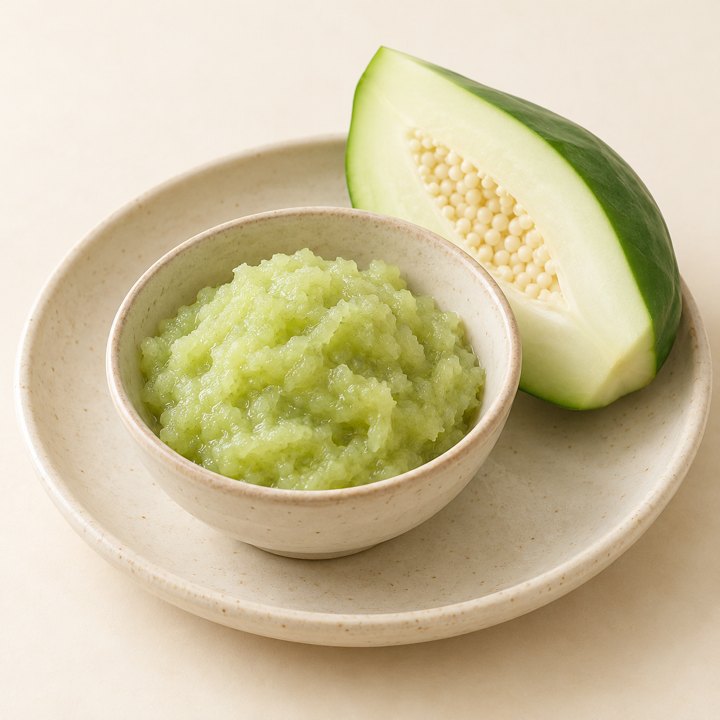
Raw papaya paste is a paste of unripe Carica papaya, called kachay papitay ka paste, used as an enzymatic meat tenderiser. Its eating character is mild green flavour, with tenderising activity more important than taste.
What is raw papaya paste? Names, flavour and types
Raw papaya paste is a paste of unripe Carica papaya, called kachay papitay ka paste, used as an enzymatic meat tenderiser. Its eating character is mild green flavour, with tenderising activity more important than taste.
The main forms to recognise are fresh green-papaya paste, frozen portions and commercial papain tenderisers that have different strengths. Choose the form and ripeness specified by the recipe.
Origins, cultivation and the Pakistan market
Papaya originated in tropical America and spread to Asia; use of its proteolytic enzymes developed into both household and industrial tenderising. The relevant botanical or crop background is documented in Singapore NParks — Carica papaya and papain.
Growing conditions and producing countries: A frost-sensitive tropical plant cultivated in India, Brazil, Indonesia and Mexico among other countries. Small amounts of green papaya paste are familiar in some kebab and meat marinades. A fresh vegetable paste and a branded powdered meat tenderiser are not interchangeable commercial products. Powders may include salt, starch or other enzymes. Follow the actual label and recipe rather than applying the same spoon measure to every preparation.

How to prepare, cook and substitute it
Follow the specific kebab recipe's small measured quantity and marination time. Excess paste or prolonged resting can turn minced meat mushy; keep marinating meat refrigerated
The tenderising enzymes act on meat proteins, so an excessive amount or a long rest can leave the mixture pasty instead of pleasantly tender. A fresh paste also varies in strength, which makes an arbitrary extra spoonful unreliable. Follow a tested recipe’s quantity and keep the mixture refrigerated. A small cooked test portion can show texture and seasoning before the whole batch is shaped. Cooking remains necessary for safety; softening the meat with an enzyme is not a method of making raw mince safe to eat.
Tenderising strength is not standard from one fresh papaya to another. Ripeness, the part used and preparation all affect the result, so increasing the quantity is a poor way to rescue a short marination. The enzyme works on meat proteins and can compromise the texture if left too long. Make a small cooked test kebab before shaping the entire batch if a recipe permits. Keep the raw-meat mixture cold, discard paste that has contacted it and use a food thermometer or the recipe’s appropriate safe cooking guidance.
A useful starting substitute is a measured commercial tenderiser used according to its label, rather than an equal-volume substitution. Adjust the recipe for the replacement’s texture and moisture.
Buying and storing it well
Look for firm sound unripe papaya; avoid unlabelled commercial powders with unknown additives. Buy an amount that can be used while its texture is still suitable for the intended dish. Trim away ordinary damaged portions where appropriate, but reject a product showing active decay or an abnormal smell rather than hiding it in a strongly spiced preparation.
For storage, refrigerate freshly prepared paste briefly or freeze measured portions; prevent contact with ready-to-eat food. Keep prepared portions separate from unwashed produce and raw animal foods. Use a clean covered container for cut or cooked food, and label frozen portions so the oldest batch is used first. The condition at purchase, kitchen temperature and packaging all affect keeping quality; a fixed number of days is not a guarantee of safety.
Nutrition, benefits and practical cautions
The nutritional contribution is the tiny culinary amount contributes little nutrition compared with the meat and accompanying foods. USDA FoodData Central distinguishes raw, cooked, dried and processed forms. Recipe totals must also account for added oil, cream, sugar or syrup.
Papain and papaya latex can cause allergy; tenderising does not destroy pathogens or replace thorough cooking. Its role in a balanced meal depends on portion size and preparation. Whole foods and concentrated supplements are different products and should not be treated as interchangeable.
Recipes using raw papaya paste
Use the linked recipes to match preparation to the finished dish. Check whether the ingredient quantity means whole purchased weight, peeled edible weight, drained weight or a cooked portion before shopping. This is especially helpful when a recipe needs a thick filling or a carefully balanced drink.
For related Urdu names, pantry ingredients and cooking combinations, see the Pakistani ingredients and spices guide.
Names and forms used in our recipes
View the recipe names covered by this guide
- raw papaya paste
Frequently Asked Questions
Why can too much papaya paste spoil kebab texture?
The tenderising enzymes act on meat proteins, so an excessive amount or a long rest can leave the mixture pasty instead of pleasantly tender. A fresh paste also varies in strength, which makes an arbitrary extra spoonful unreliable. Follow a tested recipe’s quantity and keep the mixture refrigerated. A small cooked test portion can show texture and seasoning before the whole batch is shaped. Cooking remains necessary for safety; softening the meat with an enzyme is not a method of making raw mince safe to eat.
How should I store raw papaya paste?
Refrigerate freshly prepared paste briefly or freeze measured portions; prevent contact with ready-to-eat food.
What should I consider before serving raw papaya paste?
Papain and papaya latex can cause allergy; tenderising does not destroy pathogens or replace thorough cooking.
Keep Exploring
Related places and stories on DailyLife.pk

How we know this
- Type Explainer
- Sources 5 (2 official/academic)
- Reviewed November 2026
- Disputed points None
5 sources
Photo credits (1)
- I-11 Sabze Mande, Islamabad.jpg, Pakieditor, CC BY-SA 4.0, via Wikimedia Commons
