
Ingredients & Spices · The complete guide
Nori
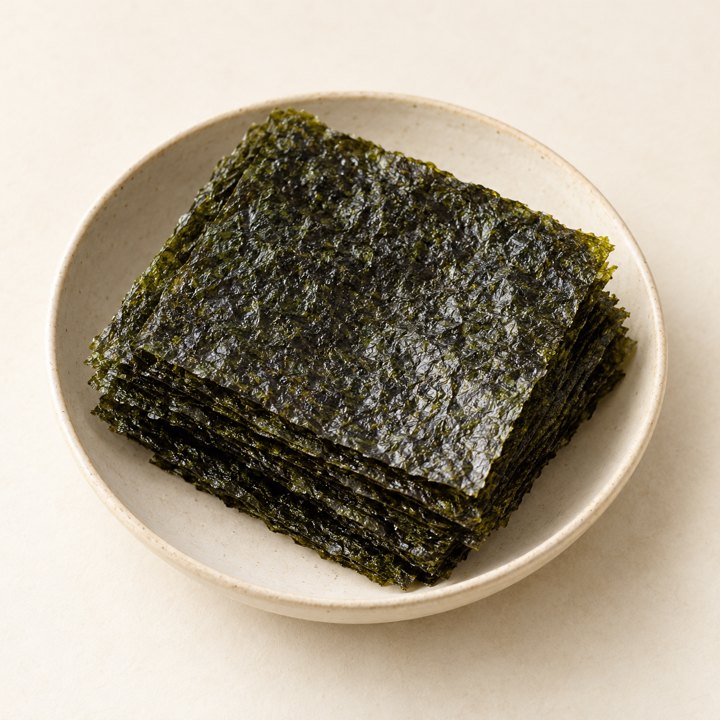
Nori is dried sheets made from edible red seaweeds, commonly Pyropia or related genera formerly grouped as Porphyra. Its eating character is saline, toasted and savoury, becoming soft rapidly when moistened.
What is nori? Names, flavour and types
Nori is dried sheets made from edible red seaweeds, commonly Pyropia or related genera formerly grouped as Porphyra. Its eating character is saline, toasted and savoury, becoming soft rapidly when moistened.
The main forms to recognise are plain dried nori, toasted sushi sheets, seasoned snack sheets and cut strips. Choose the form and ripeness specified by the recipe.
Origins, cultivation and the Pakistan market
Eating seaweed has ancient East Asian roots; Japanese sheet-making and farming methods developed over centuries. The relevant botanical or crop background is documented in FAO — Cultured aquatic species: Porphyra.
Growing conditions and producing countries: Marine aquaculture on nets is important in Japan, South Korea and China. Usually an imported pantry ingredient for halal sushi; snack versions may have extra oil and flavourings. Dried sheets are well suited to international trade because they are light and compact, but moisture damage can ruin them after packing. Check the manufacturing origin, sheet count and whether the product is plain sushi nori or a salted snack; these are different kitchen purchases.

How to prepare, cook and substitute it
Keep sheets dry until rolling sushi. Put the rougher side toward rice when helpful for grip, or cut strips over noodles immediately before serving
It absorbs moisture from air, rice and fillings. Keep unused sheets sealed and assemble rolls reasonably close to serving with well-prepared rice and drained fillings. A damp cucumber core or very wet avocado dressing accelerates softening. Plain nori and seasoned snack seaweed are different products: snack sheets may be oily, salty and too small or brittle for rolling. Avoid replacing nori with kombu, which has a very different texture, culinary use and typical iodine concentration.
Water changes the texture almost immediately, so organise rice, fillings and serving dishes before opening a fresh sheet. Use dry hands and scissors to cut strips, and return unused sheets to their sealed pack straight away. Seasoned snack nori may tear more easily than full sushi sheets and can contain oil, salt, sesame or other flavourings. For rolls, avoid overly wet fillings and allow cooked rice to cool to the handling temperature specified by the recipe. Do not confuse nori with kelp intended to flavour stock.
A useful starting substitute is a thin omelette sheet or rice paper for wrapping, accepting the loss of seaweed flavour. Adjust the recipe for the replacement’s texture and moisture.
Buying and storing it well
Look for crisp dark sheets in intact moisture-resistant packaging; check seasonings and certification where relevant. Buy an amount that can be used while its texture is still suitable for the intended dish. Trim away ordinary damaged portions where appropriate, but reject a product showing active decay or an abnormal smell rather than hiding it in a strongly spiced preparation.
For storage, seal tightly with the food-safe desiccant intact; store cool and dry. Keep prepared portions separate from unwashed produce and raw animal foods. Use a clean covered container for cut or cooked food, and label frozen portions so the oldest batch is used first. The condition at purchase, kitchen temperature and packaging all affect keeping quality; a fixed number of days is not a guarantee of safety.
Nutrition, benefits and practical cautions
The nutritional contribution is iodine and other minerals, but actual content varies and serving sizes are small. USDA FoodData Central distinguishes raw, cooked, dried and processed forms. Recipe totals must also account for added oil, cream, sugar or syrup.
Excess iodine can affect thyroid function; nori is not interchangeable with very iodine-rich kombu. The relevant precaution is explained by NIH Office of Dietary Supplements — Iodine. Its role in a balanced meal depends on portion size and preparation. Whole foods and concentrated supplements are different products and should not be treated as interchangeable.
Recipes using nori
Use the linked recipes to match preparation to the finished dish. Check whether the ingredient quantity means whole purchased weight, peeled edible weight, drained weight or a cooked portion before shopping. This is especially helpful when a recipe needs a thick filling or a carefully balanced drink.
For related Urdu names, pantry ingredients and cooking combinations, see the Pakistani ingredients and spices guide.
Names and forms used in our recipes
View the recipe names covered by this guide
- nori
Frequently Asked Questions
Why does nori become chewy before sushi is served?
It absorbs moisture from air, rice and fillings. Keep unused sheets sealed and assemble rolls reasonably close to serving with well-prepared rice and drained fillings. A damp cucumber core or very wet avocado dressing accelerates softening. Plain nori and seasoned snack seaweed are different products: snack sheets may be oily, salty and too small or brittle for rolling. Avoid replacing nori with kombu, which has a very different texture, culinary use and typical iodine concentration.
How should I store nori?
Seal tightly with the food-safe desiccant intact; store cool and dry.
What should I consider before serving nori?
Excess iodine can affect thyroid function; nori is not interchangeable with very iodine-rich kombu.
Keep Exploring
Related places and stories on DailyLife.pk

How we know this
- Type Explainer
- Sources 5 (3 official/academic)
- Reviewed November 2026
- Disputed points None
5 sources
Photo credits (1)
- I-11 Sabze Mande, Islamabad.jpg, Pakieditor, CC BY-SA 4.0, via Wikimedia Commons
