
Ingredients & Spices · The complete guide
Barbecue sauce
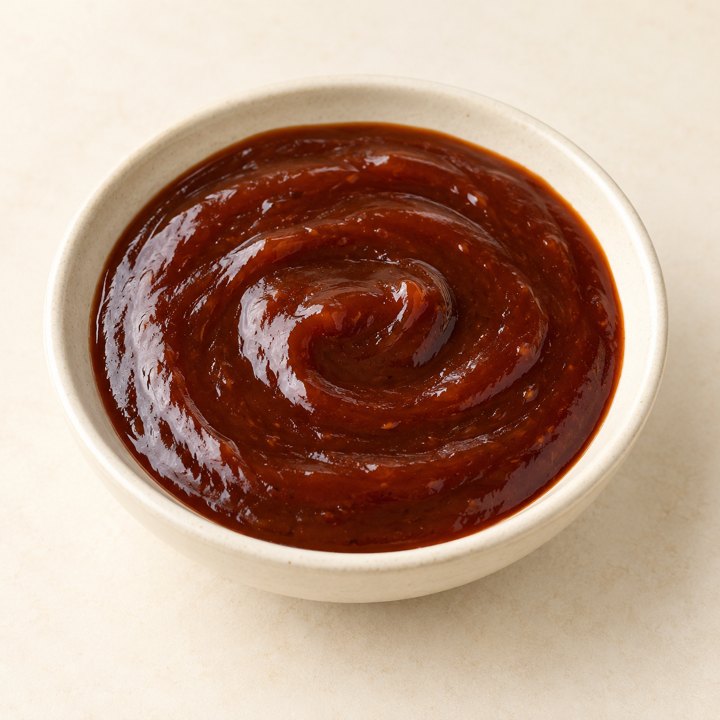
Barbecue sauce is a family of sweet, sour and savoury cooking sauces, often tomato-based in Pakistani retail. It is not a single globally fixed recipe.
What it is and names used in Pakistan
Barbecue sauce is a family of sweet, sour and savoury cooking sauces, often tomato-based in Pakistani retail. It is not a single globally fixed recipe.
Origin and historical context
Modern bottled versions draw on regional American barbecue traditions, while barbecue itself has a broader and older history than tomato sauce.
Types, manufacture and buying
Manufacturers blend tomato, vinegar, sugar or molasses and spices, then heat and pack the sauce. Mustard-based, vinegar-heavy, smoky and fruit-based styles behave differently.
Read the first few ingredients to understand what supplies most of the sauce’s body: vegetables, water, sugar, oil, fermented paste or starch. Compare a regular serving rather than only the front-label claims. A product described as mild, natural or premium can still be salty or sweet. Heat ratings and thickness are not standardised across all manufacturers, so opening a new brand is a good time to taste cautiously. Small packs can be useful when an unfamiliar sauce will only be used occasionally.
Reference: USDA AMS: Condiment commercial product descriptions.
Production, trade and the Pakistani pantry
The United States has diverse regional brands; Pakistan also manufactures barbecue sauces, alongside imported bottles.
Cooking uses and practical substitutions
Use a thin coating late in grilling, or spread sparingly on barbecue chicken pizza. Heavy early coats scorch because of sugar. Ketchup with vinegar, spices and a little sweetener is an approximate substitute.
Measure concentrated sauce into a small bowl before adding it to a hot pan. This helps control the quantity and avoids pouring steam or splashes back into the bottle. Start with less than expected, then taste the complete mixture because salt, sweetness and acidity interact with other ingredients. Sugary sauces need particular care over direct heat: a glossy coating can darken quickly and turn bitter. Add water or another recipe liquid in small amounts if a paste needs loosening. Use a fresh spoon for tasting and a clean utensil for the storage container.
Nutrition, benefits and limitations
The chief role of a sauce is flavour, so assess its contribution in the amount actually eaten. Many commercial versions add sodium, sugar or oil without supplying a substantial serving of vegetables or protein. That does not prevent moderate use, but it makes portion awareness useful, especially when several bottled seasonings appear in one dish. Lower-sodium and reduced-sugar versions may taste different and are not necessarily interchangeable in a glaze. No sauce should be described as preventing illness or treating a medical condition simply because it contains chilli, garlic or another plant ingredient.
Smoke flavour does not indicate that meat has been smoked or safely cooked. Some versions contain soy, mustard or fish ingredients.
Practical notes and common mistakes
Treat a barbecue sauce as part of the dish’s total seasoning rather than an extra finishing flavour. In a pizza, a thick sweet sauce can dominate cheese and chicken, so use a thinner layer than you might use for dipping. In grilling, set aside a clean serving portion before brushing raw meat. Do not dip the used brush back into that serving bowl. A smoky bottle changes the aroma of oven-cooked food, but it does not replace the cooking process or verify meat doneness.
Storage and safe handling
Keep unopened products as the manufacturer directs and check that the seal is intact. After opening, follow refrigeration and use-within instructions; shelf stability before opening does not guarantee the same storage afterwards. Write the opening date on an infrequently used jar. Keep the rim clean and avoid returning sauce that has touched raw meat to the container. Discard products with mould, an unexpectedly swollen pack or other clear deterioration. Homemade adaptations should be refrigerated and made in modest batches unless a properly tested preservation method is followed.
Recipes and related pantry reading
Use the form and quantity specified in each recipe, then adjust for the concentration, salt and moisture of the product you have bought. These dishes show where the ingredient fits in a complete preparation.
For related local names and pantry ingredients, see the Pakistani ingredients and spices guide.
Names and forms used in our recipes
View the recipe names covered by this guide
- barbecue sauce
Frequently Asked Questions
When should barbecue sauce go on grilled food?
Sugary sauces generally work best toward the end, following the recipe, to reduce scorching.
Can barbecue sauce replace pizza sauce?
Yes in a suitable recipe, but use a restrained layer because sweetness and smokiness can dominate.
Keep Exploring
Related places and stories on DailyLife.pk

How we know this
- Type Explainer
- Sources 3 (2 official/academic)
- Reviewed November 2026
- Disputed points None
