
Ingredients & Spices · The complete guide
Panko
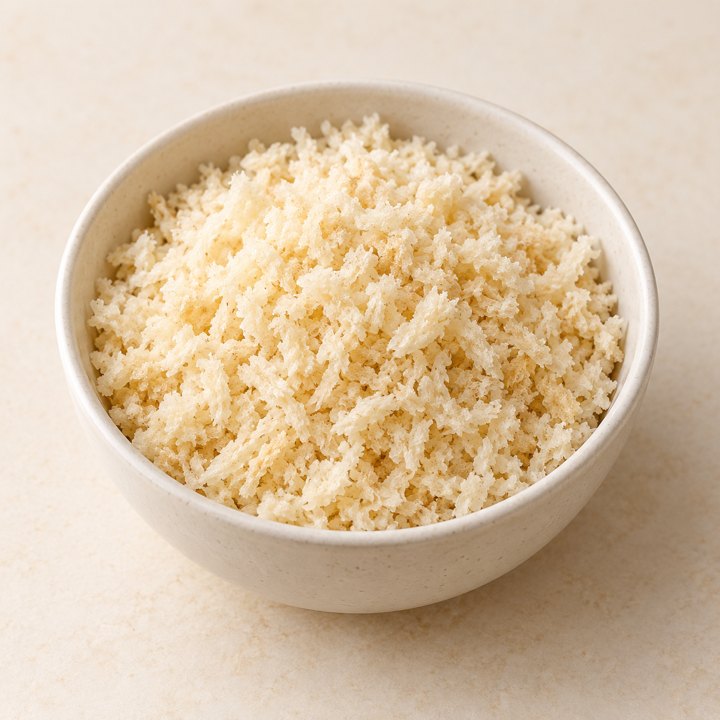
Panko is Japanese-style bread crumb with relatively large, airy flakes. It provides a lighter-looking rough coating than fine ordinary breadcrumbs.
What it is and names used in Pakistan
Panko is Japanese-style bread crumb with relatively large, airy flakes. It provides a lighter-looking rough coating than fine ordinary breadcrumbs.
Origin and historical context
It is associated with modern Japanese breaded dishes such as katsu, drawing on the wider history of bread entering Japanese food culture.
Types, manufacture and buying
Specially produced bread is dried and shredded into flakes. White panko is usually made without a browned crust; seasoned and gluten-free products are separate formulations.
Match crumb size to the intended result. Fine crumbs make a more continuous coating or smooth binder; larger flakes create a rougher crisp surface. Plain products offer more seasoning control than cheese- or herb-flavoured versions. Read the full bread ingredient list where available, because crumbs can carry milk, egg, sesame, soy and wheat from their source loaf. A product called golden may have seasoning or colour added. Compare dry products with other dry products; fresh crumbs contain more water and should not be substituted blindly by weight.
Reference: Kikkoman: Panko ingredients and product description.
Production, trade and the Pakistani pantry
Japan and other countries manufacture panko for export; Pakistani shops also sell locally packed Japanese-style crumbs.
Cooking uses and practical substitutions
Press gently onto an adequately coated surface for crisp chicken, fish or vegetables. Toast in a little fat before using as a casserole topping. Coarse homemade dry crumbs substitute but are denser.
For a coating, dry the food’s surface, apply any flour and wet binder in an even thin layer, then press on the crumbs. Leave excess loose crumbs behind so they do not burn in the pan. For a kofta or patty binder, add gradually and allow a short rest before deciding whether more is needed; hydration changes the texture. A large addition can make a mixture heavy. When topping a bake, a small amount of fat helps browning, but monitor closely because dry crumbs can scorch before the filling heats fully.
Nutrition, benefits and limitations
Crumbs are bread in a smaller physical form, so their nutrients depend on the flour and recipe used. Refined wheat versions provide mostly carbohydrate with some protein, while wholegrain versions can contain more fibre. A fluffy volume does not necessarily mean fewer calories by weight. Deep frying introduces additional fat and depends on coating, temperature and handling. For someone avoiding gluten, using a verified gluten-free crumb is only one step: flour dusting, wet binders, shared oil and preparation surfaces also need to be compatible.
Panko is still bread and usually contains wheat gluten. Its airy appearance does not remove frying fat from the final meal.
Practical notes and common mistakes
For a baked panko topping, briefly toasting the crumbs with a measured little fat can produce more even colour before they reach the oven. If coating raw food, follow a suitable full cooking method rather than judging doneness by the golden crumbs. Large flakes leave a rough surface that can catch faster on direct heat. Press them gently so they adhere without becoming a dense shell. Fine ordinary crumbs can bind a mixture more uniformly, so the best substitute depends on whether panko is a coating or a binder.
Storage and safe handling
Dry crumbs need an airtight container in a cool dry place, away from steam and insects. Homemade crumbs should be fully dried and cooled before sealing; residual moisture shortens keeping quality. Fresh soft crumbs should be refrigerated briefly or frozen rather than treated like a dry cupboard ingredient. Discard musty, mouldy or rancid crumbs. Once crumbs have contacted raw meat, fish, egg or a wet coating mixture, do not return them to the clean storage jar. Keep a small working portion separate and discard contaminated leftovers.
Recipes and related pantry reading
Use the form and quantity specified in each recipe, then adjust for the concentration, salt and moisture of the product you have bought. These dishes show where the ingredient fits in a complete preparation.
For related local names and pantry ingredients, see the Pakistani ingredients and spices guide.
Names and forms used in our recipes
View the recipe names covered by this guide
- panko
- panko breadcrumbs
Frequently Asked Questions
How is panko different from fine breadcrumbs?
Its larger airy flakes make a rougher coating and topping.
Is panko gluten-free?
Standard panko is usually wheat-based; use an explicitly suitable formulation when gluten must be avoided.
Keep Exploring
Related places and stories on DailyLife.pk

How we know this
- Type Explainer
- Sources 2 (1 official/academic)
- Reviewed November 2026
- Disputed points None
