
Ingredients & Spices · The complete guide
Dijon mustard
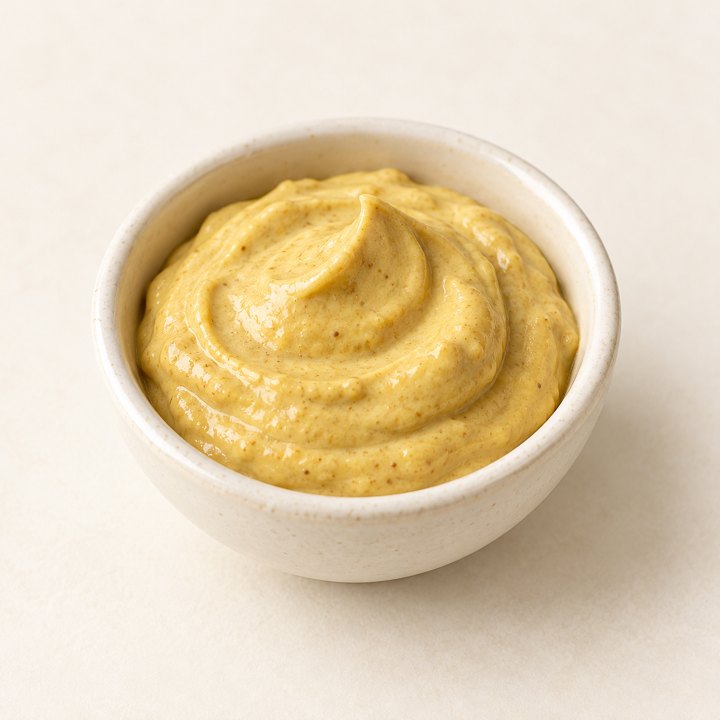
Dijon mustard is a smooth prepared mustard with a clean, assertive pungency. It is not the same as whole sarson seeds or mild yellow burger mustard.
What it is and names used in Pakistan
Dijon mustard is a smooth prepared mustard with a clean, assertive pungency. It is not the same as whole sarson seeds or mild yellow burger mustard.
Origin and historical context
It is associated with Dijon and Burgundy’s mustard-making tradition; modern production is not confined to the city.
Types, manufacture and buying
Ground mustard seeds are mixed with acidic liquid, water and salt. Wine, wine vinegar or other acids may be used, and some versions include sulphites.
Read the first few ingredients to understand what supplies most of the sauce’s body: vegetables, water, sugar, oil, fermented paste or starch. Compare a regular serving rather than only the front-label claims. A product described as mild, natural or premium can still be salty or sweet. Heat ratings and thickness are not standardised across all manufacturers, so opening a new brand is a good time to taste cautiously. Small packs can be useful when an unfamiliar sauce will only be used occasionally.
Reference: USDA AMS: Condiment commercial product descriptions.
Production, trade and the Pakistani pantry
France has a prominent Dijon-style industry, while mustard seeds and finished products are internationally traded; Pakistani shoppers usually encounter imported or locally packed prepared mustard.
Cooking uses and practical substitutions
Whisk a little into cheese sauce for macaroni and cheese or into vinaigrette to help emulsify it. Smooth brown mustard is a closer substitute than sweet yellow mustard; start with less and taste.
Whisk a small quantity into a dressing before adding oil gradually, or dissolve it into a sauce where a smooth distribution is wanted. Mustard can sharpen a rich dish without needing a large serving. Prolonged heating can soften its pungency, so the time of addition changes the result. For a mild condiment, mix the serving portion with yogurt or mayonnaise rather than altering the storage jar. Dry mustard powder is not a ready-to-use equal-volume replacement: hydration, acidity and resting affect its flavour and heat.
Nutrition, benefits and limitations
Prepared mustard is usually eaten in small quantities, so its main contribution is pungent flavour rather than a substantial amount of protein, fibre or micronutrients. Sodium and added sugar vary by style. It can help make a dressing interesting without adding much fat itself, but mayonnaise, cream or oil mixed with it changes the finished condiment. Mustard is also an important allergen and can cause serious reactions even when used sparingly. Tolerance of mustard oil, seeds or a different sauce does not justify assuming every mustard product is safe for an allergic person.
Mustard allergy can be serious. For halal requirements, inspect wine-related ingredients and certification rather than making assumptions from the name.
Practical notes and common mistakes
Dijon can help a vinaigrette hold together because its fine particles assist emulsification. Begin by whisking it with the acid, then introduce oil gradually. In a cheese sauce, use a small amount: the aim may be to sharpen the cheese rather than to make the dish taste predominantly of mustard. If a sauce becomes too pungent, enlarge the unsalted base or use a smaller portion rather than trying to hide the heat with large amounts of sugar. Coarse wholegrain mustard also changes the finished texture.
Storage and safe handling
Keep unopened products as the manufacturer directs and check that the seal is intact. After opening, follow refrigeration and use-within instructions; shelf stability before opening does not guarantee the same storage afterwards. Write the opening date on an infrequently used jar. Keep the rim clean and avoid returning sauce that has touched raw meat to the container. Discard products with mould, an unexpectedly swollen pack or other clear deterioration. Homemade adaptations should be refrigerated and made in modest batches unless a properly tested preservation method is followed.
Recipes and related pantry reading
Use the form and quantity specified in each recipe, then adjust for the concentration, salt and moisture of the product you have bought. These dishes show where the ingredient fits in a complete preparation.
For related local names and pantry ingredients, see the Pakistani ingredients and spices guide.
Names and forms used in our recipes
View the recipe names covered by this guide
- dijon mustard
Frequently Asked Questions
Can Dijon help a vinaigrette emulsify?
Yes. Whisk it with the acid before introducing oil gradually.
Is Dijon always made in Dijon?
No. The style is produced elsewhere; the name alone does not establish the manufacturing location.
Keep Exploring
Related places and stories on DailyLife.pk

How we know this
- Type Explainer
- Sources 2 (2 official/academic)
- Reviewed November 2026
- Disputed points None
