
Ingredients & Spices · The complete guide
Blueberries
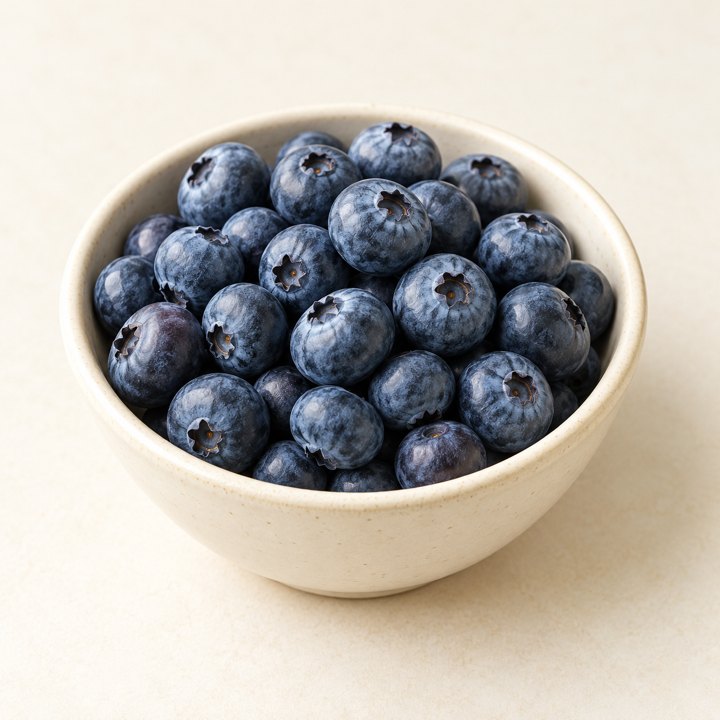
Blueberries are Vaccinium species and hybrids, including cultivated highbush blueberries. Its eating character is sweet-tart, with a soft centre and delicate skin.
What is blueberries? Names, flavour and types
Blueberries are Vaccinium species and hybrids, including cultivated highbush blueberries. Its eating character is sweet-tart, with a soft centre and delicate skin.
The main forms to recognise are highbush, rabbiteye and wild lowbush berries; fresh and frozen forms. Choose the form and ripeness specified by the recipe.
Origins, cultivation and the Pakistan market
North American Indigenous peoples used wild berries long before commercial highbush breeding began in the twentieth century. The relevant botanical or crop background is documented in Vaccinium corymbosum L. | Plants of the World Online | Kew Science.
Growing conditions and producing countries: Acidic soil is important; the United States, Canada, Peru and Chile cultivate or supply blueberries. Usually a specialty fresh or frozen purchase; frozen berries can be more practical for baking. Delicate fruit requires careful packing and cooling, and air-freighted or imported berries can cost much more than local seasonal alternatives. Frozen fruit is a distinct practical option for cooked fillings and drinks, where a slightly softer texture is usually acceptable.

How to prepare, cook and substitute it
Fold into muffin batter at the end to limit streaking; frozen berries can often be used without thawing when the recipe accounts for their moisture
Many muffin methods work better when the berries remain frozen until folded into the batter. Thawing releases coloured juice that can streak the mixture and add unwanted liquid. Follow the recipe’s instructions, and break up any icy clumps without crushing the berries. If a frozen pack has accumulated substantial loose ice, that extra water needs consideration. For a cooked compote, thawing is less important because the released juice becomes part of the sauce and can be reduced.
Handle tender fruit in a shallow bowl rather than crushing the lower layer under a deep pile. Rinse shortly before use, drain well and remove stalks, stones or damaged pieces as appropriate. For baking, consider how much juice the fruit will release: a very ripe fresh batch and a thawed frozen batch can behave differently. Fold gently into batter or cream. If making a sauce, cook to the required thickness before adding it to a cake so that excess juice does not soak the sponge or loosen a filling.
A useful starting substitute is chopped strawberries or blackberries in muffins, adjusting acidity, size and moisture. Adjust the recipe for the replacement’s texture and moisture.
Buying and storing it well
Look for dry berries without leaking juice or fuzzy mould; a natural pale bloom is normal. Buy an amount that can be used while its texture is still suitable for the intended dish. Trim away ordinary damaged portions where appropriate, but reject a product showing active decay or an abnormal smell rather than hiding it in a strongly spiced preparation.
For storage, refrigerate unwashed; rinse shortly before eating; freeze sound berries in a single layer. Keep prepared portions separate from unwashed produce and raw animal foods. Use a clean covered container for cut or cooked food, and label frozen portions so the oldest batch is used first. The condition at purchase, kitchen temperature and packaging all affect keeping quality; a fixed number of days is not a guarantee of safety.
Nutrition, benefits and practical cautions
The nutritional contribution is fibre and anthocyanin pigments; useful fruit variety without a guaranteed disease-prevention effect. USDA FoodData Central distinguishes raw, cooked, dried and processed forms. Recipe totals must also account for added oil, cream, sugar or syrup.
Discard mouldy berries and check the surrounding pack; fruit allergy can occur. Its role in a balanced meal depends on portion size and preparation. Whole foods and concentrated supplements are different products and should not be treated as interchangeable.
Recipes using blueberries
Use the linked recipes to match preparation to the finished dish. Check whether the ingredient quantity means whole purchased weight, peeled edible weight, drained weight or a cooked portion before shopping. This is especially helpful when a recipe needs a thick filling or a carefully balanced drink.
For related Urdu names, pantry ingredients and cooking combinations, see the Pakistani ingredients and spices guide.
Names and forms used in our recipes
View the recipe names covered by this guide
- blueberries
Frequently Asked Questions
Should frozen blueberries be thawed before making muffins?
Many muffin methods work better when the berries remain frozen until folded into the batter. Thawing releases coloured juice that can streak the mixture and add unwanted liquid. Follow the recipe’s instructions, and break up any icy clumps without crushing the berries. If a frozen pack has accumulated substantial loose ice, that extra water needs consideration. For a cooked compote, thawing is less important because the released juice becomes part of the sauce and can be reduced.
How should I store blueberries?
Refrigerate unwashed; rinse shortly before eating; freeze sound berries in a single layer.
What should I consider before serving blueberries?
Discard mouldy berries and check the surrounding pack; fruit allergy can occur.
Keep Exploring
Related places and stories on DailyLife.pk

How we know this
- Type Explainer
- Sources 4 (2 official/academic)
- Reviewed November 2026
- Disputed points None
4 sources
Photo credits (1)
- I-11 Sabze Mande, Islamabad.jpg, Pakieditor, CC BY-SA 4.0, via Wikimedia Commons
