
Ingredients & Spices · The complete guide
Mango (Aam)
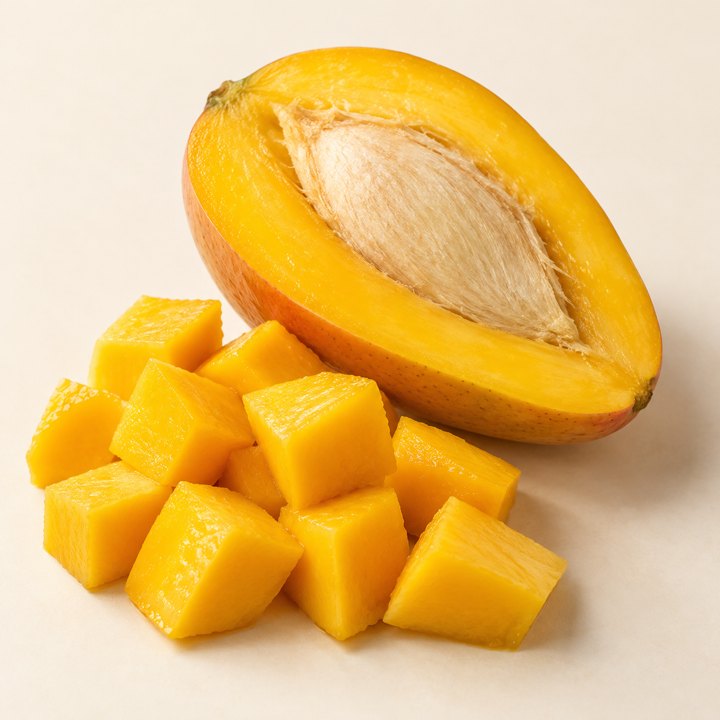
Mango is Mangifera indica, called aam; a fleshy stone fruit with one large central seed. Its eating character is ripe flesh is fragrant and sweet; green mango is firm and sharply sour.
What is mango? Names, flavour and types
Mango is Mangifera indica, called aam; a fleshy stone fruit with one large central seed. Its eating character is ripe flesh is fragrant and sweet; green mango is firm and sharply sour.
The main forms to recognise are Sindhri, Chaunsa, Anwar Ratol, Langra and many other cultivars; raw green mango has a different culinary role. Choose the form and ripeness specified by the recipe.
Origins, cultivation and the Pakistan market
Domesticated and diversified in South Asia over a very long history; later trade carried it through the tropics. The relevant botanical or crop background is documented in Mangifera indica L. | Plants of the World Online | Kew Science.
Growing conditions and producing countries: Warm subtropical and tropical orchards; India, China, Thailand, Indonesia and Pakistan produce mangoes. Punjab and Sindh supply celebrated cultivars; mango is also an established export fruit subject to handling and phytosanitary requirements. Fresh fruit, frozen pulp, dried fruit and juice are separate commercial products. Where a pack provides an origin label, use it to identify that batch rather than assuming the seller’s address is the growing country. Seasonal locally grown fruit often offers better ripeness than fruit chosen mainly for long transport.

How to prepare, cook and substitute it
Use ripe fruit for lassi, shakes and desserts; choose firm green fruit for achar. Cut along both sides of the stone, then score or slice the cheeks
No direct swap gives the same result. Green mango has firm sour flesh that can withstand a pickle method, while ripe mango is soft, sweet and prone to breaking down. A recipe designed for ripe mango chutney is a different preparation with its own moisture and preservation requirements. For fresh drinks, cultivar and ripeness also matter: a fibrous mango may need straining, whereas smooth ripe flesh blends readily. Wash the skin before cutting and keep the sticky peel and stone away from prepared fruit.
Match the ripeness to the job. A fruit that is excellent for eating immediately can be too soft for neat cubes, while a firmer specimen may work better in a salad or cooked filling. Wash the outside before cutting even when the peel will be removed, so the knife does not carry surface dirt into the flesh. Prepare the edible portion before measuring recipe weight when the ingredient list specifies flesh. Add delicate ripe pieces gently and close to serving if they would otherwise break down in a mixed dish.
A useful starting substitute is ripe peach for soft desserts, or tart green apple in selected raw-mango applications. Adjust the recipe for the replacement’s texture and moisture.
Buying and storing it well
Look for judge aroma and gentle yielding rather than colour alone; cultivars remain green or colour differently. Buy an amount that can be used while its texture is still suitable for the intended dish. Trim away ordinary damaged portions where appropriate, but reject a product showing active decay or an abnormal smell rather than hiding it in a strongly spiced preparation.
For storage, ripen at room temperature, refrigerate ripe fruit and covered cut flesh. Keep prepared portions separate from unwashed produce and raw animal foods. Use a clean covered container for cut or cooked food, and label frozen portions so the oldest batch is used first. The condition at purchase, kitchen temperature and packaging all affect keeping quality; a fixed number of days is not a guarantee of safety.
Nutrition, benefits and practical cautions
The nutritional contribution is vitamin C, carotenoids and fibre; sweetness reflects natural carbohydrate. USDA FoodData Central distinguishes raw, cooked, dried and processed forms. Recipe totals must also account for added oil, cream, sugar or syrup.
Mango peel or sap can cause contact reactions in susceptible people; large sweetened shakes add substantial sugar. Its role in a balanced meal depends on portion size and preparation. Whole foods and concentrated supplements are different products and should not be treated as interchangeable.
Recipes using mango
Use the linked recipes to match preparation to the finished dish. Check whether the ingredient quantity means whole purchased weight, peeled edible weight, drained weight or a cooked portion before shopping. This is especially helpful when a recipe needs a thick filling or a carefully balanced drink.
For related Urdu names, pantry ingredients and cooking combinations, see the Pakistani ingredients and spices guide.
Names and forms used in our recipes
View the recipe names covered by this guide
- mango flesh
Frequently Asked Questions
Can ripe mango be used instead of raw mango in achar?
No direct swap gives the same result. Green mango has firm sour flesh that can withstand a pickle method, while ripe mango is soft, sweet and prone to breaking down. A recipe designed for ripe mango chutney is a different preparation with its own moisture and preservation requirements. For fresh drinks, cultivar and ripeness also matter: a fibrous mango may need straining, whereas smooth ripe flesh blends readily. Wash the skin before cutting and keep the sticky peel and stone away from prepared fruit.
How should I store mango?
Ripen at room temperature, refrigerate ripe fruit and covered cut flesh.
What should I consider before serving mango?
Mango peel or sap can cause contact reactions in susceptible people; large sweetened shakes add substantial sugar.
Keep Exploring
Related places and stories on DailyLife.pk

How we know this
- Type Explainer
- Sources 6 (3 official/academic)
- Reviewed November 2026
- Disputed points None
6 sources
Photo credits (1)
- I-11 Sabze Mande, Islamabad.jpg, Pakieditor, CC BY-SA 4.0, via Wikimedia Commons
