
Ingredients & Spices · The complete guide
Squid
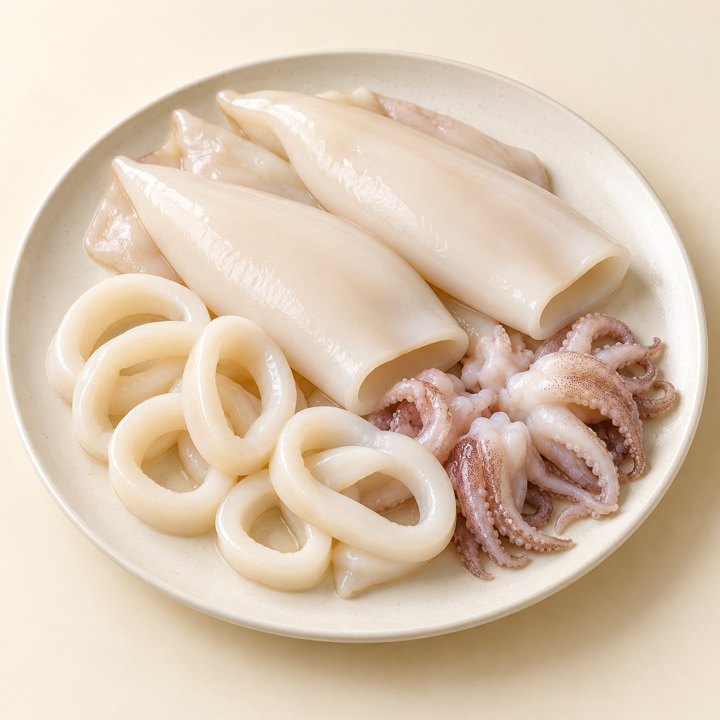
Squid is a cephalopod mollusc with a firm mantle tube and edible tentacles. Calamari usually describes the prepared squid dish or rings, not a separate fish species.
What it is and what to ask for
Squid is a cephalopod mollusc with a firm mantle tube and edible tentacles. Calamari usually describes the prepared squid dish or rings, not a separate fish species.
Ask whether tubes are cleaned and whether tentacles are included. Inspect frozen rings for heavy ice glaze and confirm they are squid rather than a formed seafood product.
History, production and the Pakistan context
Squid fishing and cooking are established in many coastal cuisines. Cleaning, ring cutting and freezing made it widely available beyond the landing port without changing its basic anatomy.
China, Japan, Spain and other fishing nations trade squid, while Pakistan's marine supply includes cephalopods. Species and size affect tenderness, so a generic packet may not cook like a small fresh squid.
How to use it successfully
Remove the internal pen, viscera, beak and other inedible parts if not professionally cleaned. Dry rings thoroughly for a crisp coating; follow a tested frying or braising recipe rather than assuming more time always means more tenderness.
Tube thickness varies with species and animal size. Cutting every piece into the same ring width does not correct a very thick mantle; adjust the recipe to the actual product. Tentacles and rings also cook differently, so group comparable pieces. Water left after thawing makes flour coatings slide off and causes splattering when frying.
Nutrition, benefits and limits
Squid supplies protein and is naturally relatively lean before frying. It is a molluscan shellfish allergen; someone allergic to seafood should not assume squid is safe merely because it is not a crustacean.
Choosing a replacement
Cuttlefish has a related but often thicker texture and needs adjusted cooking. Prawns make a different appetiser and have a different allergen category.
When changing seafood, compare thickness, firmness, bones or shells and whether it is raw or already cooked. Preserve the recipe’s cooking logic rather than only its purchase weight. Ask for the actual species, because a similar market name does not establish identical allergy, mercury or nutrition considerations.
Safe handling and storage
Keep raw seafood chilled and use within FDA’s short refrigerated window, generally two days, or freeze it. Thaw in the refrigerator in a covered container that catches drips. Drain and dry for cooking, but do not confuse drying with disinfection: raw juices still require separation from salad and cooked ingredients.
Check whether the product is genuinely raw, lightly blanched or fully cooked. Packaged seafood may contain sulphites or added salt as well as the named animal. Cleaning and deveining improve preparation but do not remove allergy or replace heat treatment. Use a separate clean plate for cooked pieces rather than returning them to the raw preparation tray.
Cook according to FDA seafood guidance and the actual product. For prawns, the flesh should become pearly and opaque; finfish has a verified minimum of 63°C/145°F, but a finfish rule should not be blindly treated as a recipe for every mollusc. Follow a reliable squid preparation and any package directions. Chill cooked leftovers promptly; batter, chilli and strong sauces cannot rescue seafood that has been stored unsafely.
Planning, portions and serving
For fried calamari, a light coating allows the squid's texture to remain distinct, while a thick batter makes timing and oil drainage more important. Cook in small batches and prepare the sauce beforehand. Serve pieces that are easy to bite rather than very long slippery strips. If adapting a recipe from small squid to a thick frozen tube, recognise that ring width alone does not account for the change in mantle thickness.
Recipes and pantry links
Use squid according to the form specified in the linked recipe: raw versus cooked, bone-in versus boneless, sweetened versus plain, and the stated cut or processing style all affect the result. The ingredient discussion above explains which differences matter most here. Read the complete recipe before shopping, then measure the prepared usable quantity rather than assuming every package has the same yield.
For related ingredient names, local terminology and flavour pairings, browse the Pakistani ingredients and spices pantry guide.
Names and forms used in our recipes
View the recipe names covered by this guide
- cleaned squid
Frequently Asked Questions
Are calamari rings always ready to fry?
Not necessarily. Check whether they are raw, cooked or formed seafood, and follow the pack. Raw thawed rings should be drained and dried; size and tube thickness affect the cooking result.
What should I check before buying squid for these recipes?
Ask whether tubes are cleaned and whether tentacles are included. Inspect frozen rings for heavy ice glaze and confirm they are squid rather than a formed seafood product. Keep the recipe’s cut and prepared weight in mind, because changing them affects cooking and serving yield.
What is a practical substitute for squid?
Cuttlefish has a related but often thicker texture and needs adjusted cooking. Prawns make a different appetiser and have a different allergen category. Make a small test where binding, melting or a delicate final texture is central, and adjust the recipe rather than treating different ingredients as identical.
Keep Exploring
Related places and stories on DailyLife.pk

How we know this
- Type Explainer
- Sources 6 (4 official/academic)
- Reviewed November 2026
- Disputed points None
