
Ingredients & Spices · The complete guide
Sea bass
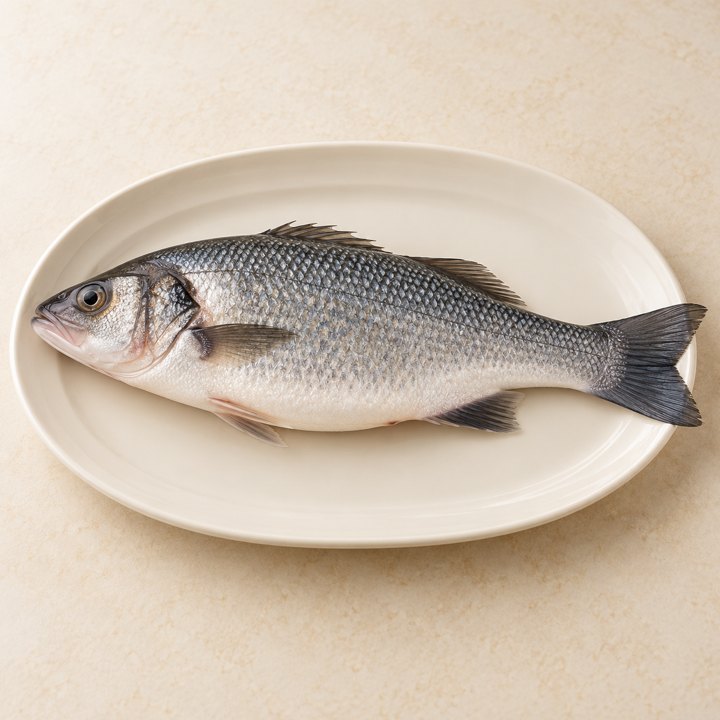
Sea bass is a broad market name rather than one universal species. European seabass, Dicentrarchus labrax, differs from Asian seabass or barramundi, Lates calcarifer, and from other fish sold under similar names.
What it is and what to ask for
Sea bass is a broad market name rather than one universal species. European seabass, Dicentrarchus labrax, differs from Asian seabass or barramundi, Lates calcarifer, and from other fish sold under similar names.
Ask for species, weight after cleaning and whether scales and gills have been removed. A firm whole sea fish is a recipe category, not proof that it is seabass.
History, production and the Pakistan context
Wild bass fishing predates modern marine aquaculture. European and Asian farming industries developed around different species, so their histories should not be combined into one domestication story.
Türkiye and Greece farm European seabass, while countries in South and Southeast Asia raise barramundi. In Pakistan, confirm the species and local or imported source for any fish labelled sea bass.
How to use it successfully
For a whole tandoori fish, dry the cavity, slash the thick flesh and use a suitable tray. Check the thickest area beside the backbone without allowing the thermometer to touch bone.
The word bass can conceal very different fish, including species with unrelated sustainability or mercury considerations. Ask the seller for the scientific or established common species name and keep that information when sharing a recipe adaptation. A whole fish's thick shoulder, rather than its thin belly flap, is the useful place to assess cooking.
Nutrition, benefits and limits
The fish provides protein, while fat and mercury depend on the actual species. Do not attach a precise nutritional value or contaminant category to an unidentified market name.
Choosing a replacement
Sea bream or another comparable firm whole fish may work. Fillets cook faster and lack the whole-fish presentation; thick steaks need separate timing.
When changing seafood, compare thickness, firmness, bones or shells and whether it is raw or already cooked. Preserve the recipe’s cooking logic rather than only its purchase weight. Ask for the actual species, because a similar market name does not establish identical allergy, mercury or nutrition considerations.
Safe handling and storage
Buy fish from an effective cold display and keep it cold on the journey home. FDA advises using refrigerated seafood within two days or freezing it. Store raw fish in a leakproof container separate from foods served without further cooking, and thaw frozen portions in the refrigerator rather than leaving them on a warm counter.
Check for scales, pin bones and packaging instructions before seasoning. Acidic marinades can change the surface texture, but lemon juice does not reliably make raw fish safe. A fresh smell and firm flesh are useful quality observations, not laboratory tests for every pathogen or contaminant. Avoid using an unidentified common name to assign exact mercury advice.
FoodSafety.gov lists 63°C/145°F for finfish. Measure the thickest flesh with a thermometer without touching the pan or a bone. For whole fish, check more than one thick area if needed. Refrigerate leftovers promptly, and follow FDA–EPA species-specific fish advice for pregnancy, breastfeeding and children. Vary the species eaten; removing skin or cooking longer does not reliably remove mercury from the flesh.
Planning, portions and serving
For a whole grilled fish, the cavity can carry herbs and aromatics but should not be packed so tightly that cooking becomes uneven. A lightly seasoned surface allows the fish's own character to remain clear. Clarify cleaned weight when planning portions, since head and backbone reduce edible yield. If replacing it with another species, record the name and actual thickness so readers can understand why your cooking time may differ from the original recipe.
Recipes and pantry links
Use sea bass according to the form specified in the linked recipe: raw versus cooked, bone-in versus boneless, sweetened versus plain, and the stated cut or processing style all affect the result. The ingredient discussion above explains which differences matter most here. Read the complete recipe before shopping, then measure the prepared usable quantity rather than assuming every package has the same yield.
For related ingredient names, local terminology and flavour pairings, browse the Pakistani ingredients and spices pantry guide.
Names and forms used in our recipes
View the recipe names covered by this guide
- whole cleaned firm sea fish
- whole sea bass
Frequently Asked Questions
Is every fish called sea bass the same?
No. European seabass, barramundi and other market fish can share similar English names. Identify the species before assigning exact nutrition, sustainability or mercury guidance.
What should I check before buying sea bass for these recipes?
Ask for species, weight after cleaning and whether scales and gills have been removed. A firm whole sea fish is a recipe category, not proof that it is seabass. Keep the recipe’s cut and prepared weight in mind, because changing them affects cooking and serving yield.
What is a practical substitute for sea bass?
Sea bream or another comparable firm whole fish may work. Fillets cook faster and lack the whole-fish presentation; thick steaks need separate timing. Make a small test where binding, melting or a delicate final texture is central, and adjust the recipe rather than treating different ingredients as identical.
Keep Exploring
Related places and stories on DailyLife.pk

How we know this
- Type Explainer
- Sources 7 (4 official/academic)
- Reviewed November 2026
- Disputed points None
7 sources
- FAO GLOBFISH: species production and trade analysis
- FAO: edible yield and composition of commercial fish species
- FDA: selecting and serving fresh and frozen seafood safely
- FDA–EPA: advice about eating fish
- FoodSafety.gov: cold food storage chart
- FDA: food allergies
- European Commission: aquaculture types and farmed species
