
Ingredients & Spices · The complete guide
Hilsa steaks
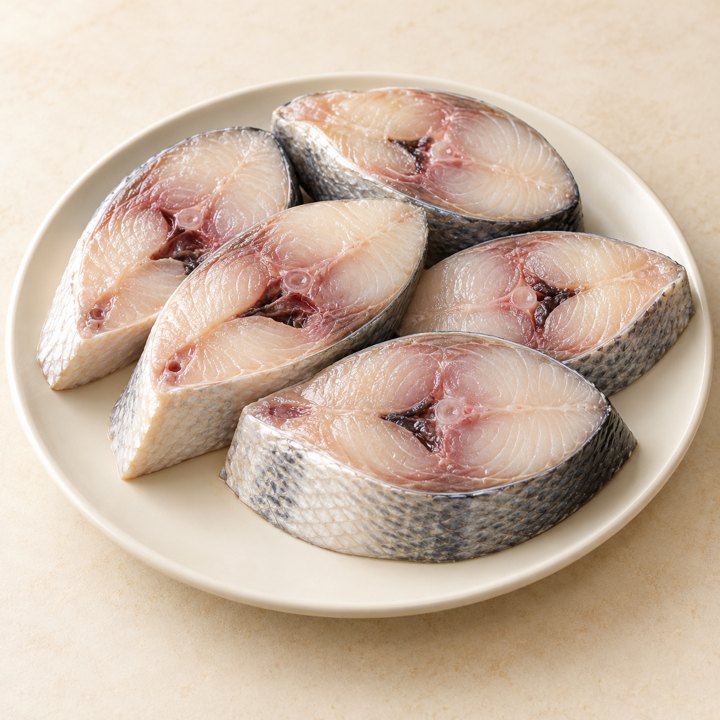
Hilsa steaks are cross-cut portions of the oily migratory fish Tenualosa ilisha, called palla in Sindh and ilish in Bengali usage. They contain numerous fine bones despite the substantial central spine.
What it is and what to ask for
Hilsa steaks are cross-cut portions of the oily migratory fish Tenualosa ilisha, called palla in Sindh and ilish in Bengali usage. They contain numerous fine bones despite the substantial central spine.
Ask for the species and an honestly labelled catch or supply origin. Choose evenly cut steaks and keep them cold; an attractive large steak is not proof that all fine bones have been removed.
History, production and the Pakistan context
Hilsa has a longstanding place in river and estuary fishing cultures around the northern Indian Ocean. It is a migratory fishery resource, not an ancient domesticated farm animal.
Bangladesh and India have important hilsa fisheries, and Pakistan's Indus-associated palla tradition has its own local significance. Catch controls and availability can vary, so follow local legal seasons and sourcing rules.
How to use it successfully
Cook steaks gently in a covered curry or with careful shallow frying. Avoid aggressive stirring, which breaks the oily flesh and distributes bones throughout the gravy.
Many of hilsa's fine bones run through the flesh rather than staying attached to the central spine. Slashing a steak or frying it crisp does not guarantee a safe boneless portion. Explain the bone issue to diners and separate flesh carefully; a different boneless fish is a better choice when easy bone-free eating is essential.
Nutrition, benefits and limits
Hilsa provides protein and oily-fish fats, but bones are an important serving hazard for children and anyone with swallowing difficulty. Frying does not reliably make all fine bones harmless.
Choosing a replacement
Another oily fish supplies richness but differs in bone structure and flavour. Rohu is a freshwater carp, not a direct nutritional or textural equivalent to hilsa.
When changing seafood, compare thickness, firmness, bones or shells and whether it is raw or already cooked. Preserve the recipe’s cooking logic rather than only its purchase weight. Ask for the actual species, because a similar market name does not establish identical allergy, mercury or nutrition considerations.
Safe handling and storage
Buy fish from an effective cold display and keep it cold on the journey home. FDA advises using refrigerated seafood within two days or freezing it. Store raw fish in a leakproof container separate from foods served without further cooking, and thaw frozen portions in the refrigerator rather than leaving them on a warm counter.
Check for scales, pin bones and packaging instructions before seasoning. Acidic marinades can change the surface texture, but lemon juice does not reliably make raw fish safe. A fresh smell and firm flesh are useful quality observations, not laboratory tests for every pathogen or contaminant. Avoid using an unidentified common name to assign exact mercury advice.
FoodSafety.gov lists 63°C/145°F for finfish. Measure the thickest flesh with a thermometer without touching the pan or a bone. For whole fish, check more than one thick area if needed. Refrigerate leftovers promptly, and follow FDA–EPA species-specific fish advice for pregnancy, breastfeeding and children. Vary the species eaten; removing skin or cooking longer does not reliably remove mercury from the flesh.
Planning, portions and serving
Hilsa's oily flavour pairs with controlled acidity and pungent seasoning, but strong spices do not need to conceal the fish. A gentle sauce allows the flesh to remain in coherent pieces, making bones easier to identify than in a heavily stirred mixture. If diners are unfamiliar with palla, explain the fine-bone issue before service. Do not offer a child a broken spoonful of fish and gravy without checking the flesh carefully.
Recipes and pantry links
Use hilsa steaks according to the form specified in the linked recipe: raw versus cooked, bone-in versus boneless, sweetened versus plain, and the stated cut or processing style all affect the result. The ingredient discussion above explains which differences matter most here. Read the complete recipe before shopping, then measure the prepared usable quantity rather than assuming every package has the same yield.
For related ingredient names, local terminology and flavour pairings, browse the Pakistani ingredients and spices pantry guide.
Names and forms used in our recipes
View the recipe names covered by this guide
- palla or hilsa steaks
Frequently Asked Questions
Does frying remove hilsa’s fine-bone problem?
No. Some small bones may crisp, but frying does not guarantee that all are harmless. Hilsa needs careful eating and serving, and a genuinely boneless fish is preferable when bone-free portions are essential.
What should I check before buying hilsa steaks for these recipes?
Ask for the species and an honestly labelled catch or supply origin. Choose evenly cut steaks and keep them cold; an attractive large steak is not proof that all fine bones have been removed. Keep the recipe’s cut and prepared weight in mind, because changing them affects cooking and serving yield.
What is a practical substitute for hilsa steaks?
Another oily fish supplies richness but differs in bone structure and flavour. Rohu is a freshwater carp, not a direct nutritional or textural equivalent to hilsa. Make a small test where binding, melting or a delicate final texture is central, and adjust the recipe rather than treating different ingredients as identical.
Keep Exploring
Related places and stories on DailyLife.pk

How we know this
- Type Explainer
- Sources 6 (4 official/academic)
- Reviewed November 2026
- Disputed points None
