
Ingredients & Spices · The complete guide
Canned tomatoes
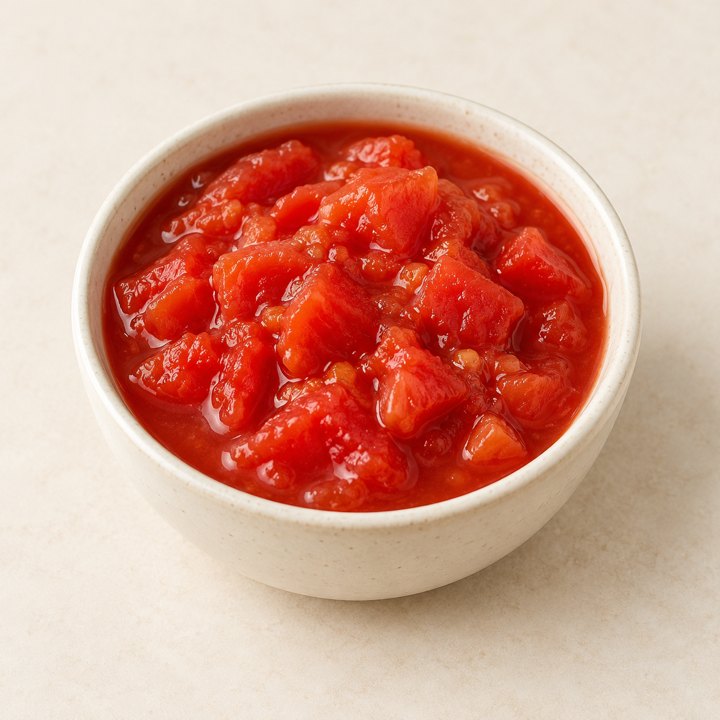
Canned tomatoes are peeled tomatoes packed whole, chopped or crushed in juice or purée. They are moist cooking ingredients rather than concentrated tomato paste.
What it is and names used in Pakistan
Canned tomatoes are peeled tomatoes packed whole, chopped or crushed in juice or purée. They are moist cooking ingredients rather than concentrated tomato paste.
Origin and historical context
Commercial canning grew from nineteenth-century heat-preservation technology; tomatoes themselves reached Europe from the Americas much earlier.
Types, manufacture and buying
Ripe fruit is washed, often peeled, packed and heat-processed. Calcium salts may keep diced tomatoes firm; added salt, basil and acidity regulators vary by product.
Choose the tomato format by both texture and concentration. Whole or chopped tomatoes contain substantial juice, passata is smooth and flowing, and paste is concentrated. Ingredient lists identify added salt, herbs, sugar and acidity regulators. A cheaper large container is useful only if the remainder can be refrigerated or frozen promptly. For canned food, inspect the seam and lid and reject leaks, swelling or serious damage. For jars and cartons, the seal and storage directions matter as much as the appearance of the contents.
Production, trade and the Pakistani pantry
Italy, Spain, the United States and China have tomato-processing industries. Pakistan processes tomatoes and sells both local and imported canned products.
Reference: CBI: Processed fruit and vegetable production and trade.
Cooking uses and practical substitutions
For tomato soup, blend the tomatoes with their juice. For mantu sauce, simmer until the raw canned taste softens. Fresh ripe tomatoes can substitute but often require longer cooking to remove water.
Let the product’s water content guide the method. A wet tomato product needs simmering to thicken, while a concentrated paste needs liquid before it burns. Stir frequently near the bottom when reducing a thick sauce. Taste after reduction before adding more salt or acid, because concentration changes both. A small amount of sweetness can balance a particular sour batch but is not always necessary. When substituting fresh tomato, expect differences in water, peel, seeds and seasonal flavour rather than assuming an identical spoon-for-spoon result.
Nutrition, benefits and limitations
Tomato products contribute flavour, carotenoid pigments including lycopene and some micronutrients, but the amount eaten matters. A spoonful of paste and a bowl of tomato soup are very different servings. Processing can make some tomato compounds more accessible, yet no ordinary tomato product should be described as preventing or treating disease. Salt, sugar, butter and cream in the finished recipe must be assessed separately. Tomato products generally contain little fat before other ingredients are added. A varied diet remains more meaningful than treating one processed ingredient as a health solution.
Reject swollen, leaking or badly damaged cans. A can should not be tasted to decide whether it is safe.
Practical notes and common mistakes
The packing liquid is part of a canned tomato product, so discarding it changes both the quantity and flavour balance. Keep it for soup or sauce unless the recipe specifically needs drained pieces. Whole peeled tomatoes can be crushed by hand in a bowl to produce a less uniform texture than a blender. If a curry needs a drier tomato base, simmer patiently rather than adding more paste immediately. Diced tomatoes containing firming agents may retain their outline even after a long simmer.
Storage and safe handling
Keep unopened products as the manufacturer directs and check that the seal is intact. After opening, follow refrigeration and use-within instructions; shelf stability before opening does not guarantee the same storage afterwards. Write the opening date on an infrequently used jar. Keep the rim clean and avoid returning sauce that has touched raw meat to the container. Discard products with mould, an unexpectedly swollen pack or other clear deterioration. Homemade adaptations should be refrigerated and made in modest batches unless a properly tested preservation method is followed.
Recipes and related pantry reading
Use the form and quantity specified in each recipe, then adjust for the concentration, salt and moisture of the product you have bought. These dishes show where the ingredient fits in a complete preparation.
For related local names and pantry ingredients, see the Pakistani ingredients and spices guide.
Names and forms used in our recipes
View the recipe names covered by this guide
- canned chopped tomatoes
- canned whole tomatoes
Frequently Asked Questions
Should I discard canned tomato juice?
Usually not unless directed; it contributes tomato flavour and forms part of the measured product.
Why do diced canned tomatoes stay firm?
Some contain calcium salts that help pieces retain their shape during cooking.
Keep Exploring
Related places and stories on DailyLife.pk

How we know this
- Type Explainer
- Sources 3 (2 official/academic)
- Reviewed November 2026
- Disputed points None
