
Ingredients & Spices · The complete guide
Pasta water
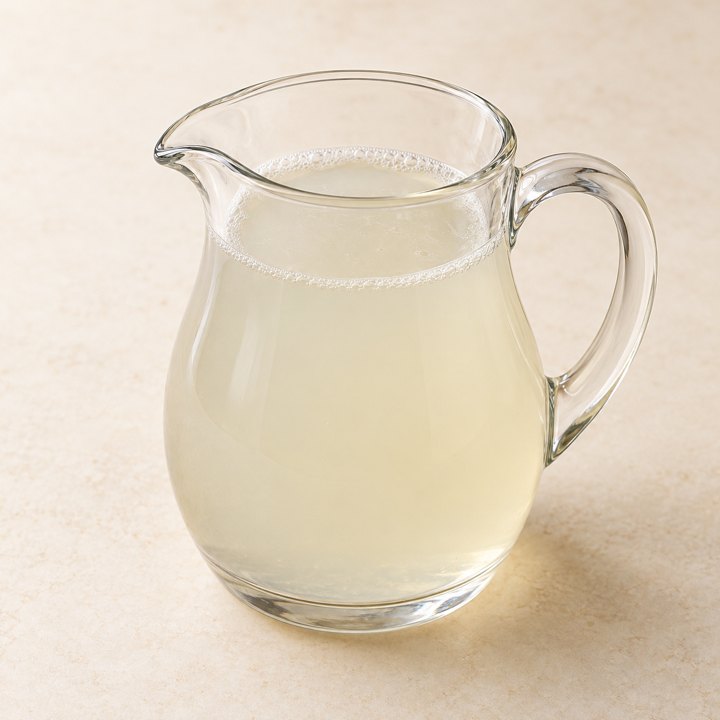
Pasta water is the cloudy cooking liquid left after boiling pasta. It contains dispersed starch and, when the pot is salted, dissolved salt.
What it is and names used in Pakistan
Pasta water is the cloudy cooking liquid left after boiling pasta. It contains dispersed starch and, when the pot is salted, dissolved salt.
Origin and historical context
Its use is a practical technique in pasta cooking, not a separately discovered ingredient or agricultural commodity.
Types, manufacture and buying
Surface starch moves into water during boiling. Concentration depends on pasta type, water volume and stirring; gluten-free pasta can release a different amount and kind of starch.
Reserve the liquid directly from a freshly cooked batch rather than treating it as a purchased stock. Its composition follows the pasta: wheat pasta contributes wheat-derived material, egg pasta can introduce egg components, and pulse pasta gives different starch behaviour. Consider how much salt was put into the pot before using the liquid in a reduced sauce. Water from a very large pot can be less starchy than water from a smaller appropriate cooking volume. A cloudy appearance alone does not quantify useful starch concentration.
Reference: Barilla Group: Pasta manufacture and international production history.
Production, trade and the Pakistani pantry
It is produced in the kitchen wherever pasta is cooked, including Pakistan; it has no meaningful independent production-country ranking or normal commodity trade.
Cooking uses and practical substitutions
Reserve a small cup before draining and add a little while tossing pasta with sauce. The starch and agitation help a glossy coating form. Plain hot water can loosen a sauce but offers less emulsifying assistance.
Lift out a small heat-safe cupful before draining, taking care with steam and scalding water. Add a splash to the pan with sauce and cooked pasta, then toss or stir vigorously enough to distribute the starch and fat. Add more only as needed; too much turns a coating sauce into a soup. It works best alongside the right fat, heat and agitation, not as a magical thickener in unlimited amounts. When the original cooking water is very salty, alternate with plain hot water to avoid over-seasoning.
Nutrition, benefits and limitations
Pasta cooking water is mostly water, with a variable amount of dispersed starch and salt. It is neither a significant protein food nor a dependable source of vitamins. Adding a small splash to sauce mainly changes texture; its nutritional effect depends on concentration and quantity. Salt can accumulate when the sauce reduces, particularly if cheese, cured foods or bottled seasonings are also present. Water from standard wheat pasta is not a suitable workaround for a strict gluten-free dish. There is no established detoxifying or other special therapeutic benefit from drinking it.
It is not automatically low-salt and becomes more concentrated when reduced. Water from wheat pasta is unsuitable for a strict gluten-free preparation.
Practical notes and common mistakes
The useful property of pasta water is the interaction of starch, water and the sauce’s fat during tossing. A few spoonfuls may make a glossy coating, while a whole cup can leave a watery dish. Reduce heat or remove the pan briefly if the sauce tightens too quickly. If cheese is being added, follow a suitable technique to avoid clumps. Taste after the mixture comes together, because salty pasta water and cheese can combine into a much saltier result than either component tasted alone.
Storage and safe handling
Divide freshly made stock into shallow containers so it cools quickly; do not leave a large warm pot on the counter overnight. Refrigerate at 4°C or below and generally use within three to four days, or freeze in labelled portions. Food left out for more than two hours, or one hour above 32°C, should not be kept for later. Reheat a chilled portion thoroughly and bring soups and sauces to a proper boil. Smell is not a reliable test for harmful bacteria. Frozen stock portions help avoid repeatedly cooling and reheating an entire batch.
Recipes and related pantry reading
Use the form and quantity specified in each recipe, then adjust for the concentration, salt and moisture of the product you have bought. These dishes show where the ingredient fits in a complete preparation.
For related local names and pantry ingredients, see the Pakistani ingredients and spices guide.
Names and forms used in our recipes
View the recipe names covered by this guide
- reserved pasta cooking water
Frequently Asked Questions
Why save pasta water?
Its dispersed starch can help sauce coat pasta when combined with fat, heat and stirring.
Is pasta water always low in salt?
No. Its salt depends on the cooking pot and becomes more concentrated during reduction.
Keep Exploring
Related places and stories on DailyLife.pk

How we know this
- Type Explainer
- Sources 3 (2 official/academic)
- Reviewed November 2026
- Disputed points None
