
Ingredients & Spices · The complete guide
Burger buns
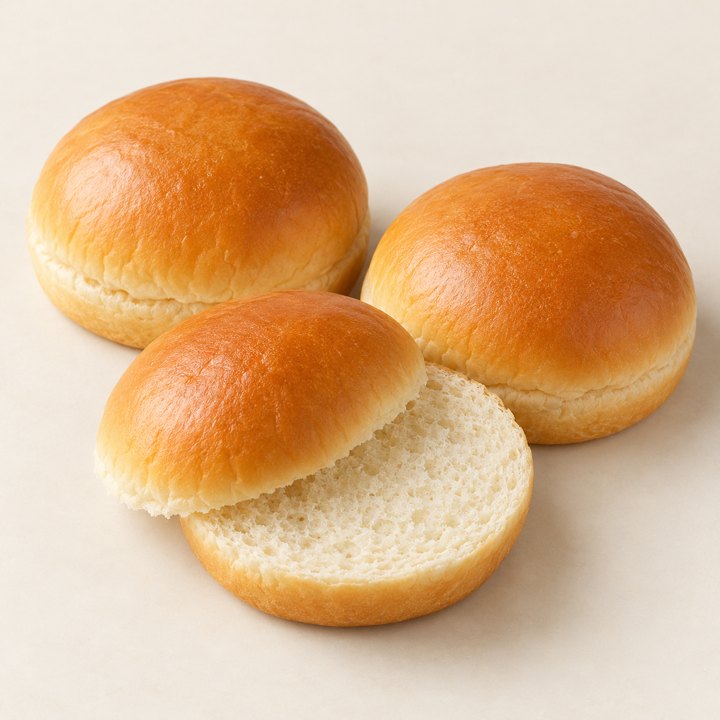
Burger buns are soft round bread rolls designed to hold patties, chutneys and salad. Pakistani bun-kebab buns are often slightly sweet and tender.
What it is and names used in Pakistan
Burger buns are soft round bread rolls designed to hold patties, chutneys and salad. Pakistani bun-kebab buns are often slightly sweet and tender.
Origin and historical context
The modern burger bun belongs to the spread of sandwich and hamburger food service. It should not be assigned the origin history of every bread roll.
Types, manufacture and buying
Enriched yeast dough may contain oil, milk, egg or sugar. Plain, sesame-topped, potato, wholemeal and brioche-style buns differ in sweetness and resilience.
Choose the bread by crumb and crust rather than by the shape alone. A roll for a juicy filling needs enough structure to hold together, whereas a lightly filled sandwich can use a softer crumb. Compare the weight of pieces: a large bakery roll may be several times the size of a small dinner roll. Wholemeal versions can provide more fibre, but brown colour alone is not evidence of wholegrain flour. If buying loose bread for someone with an allergy, ask the baker about the full dough recipe and shared equipment.
Reference: Dawn Bread Pakistan: Burger bun ingredients.
Production, trade and the Pakistani pantry
Pakistan has extensive local bakery and packaged-bread production; importing buns is seldom necessary for home cooking.
Cooking uses and practical substitutions
Toast the cut sides for zinger burgers or bun kebab. Match bun diameter to the filling and avoid overloading a very soft bun with watery chutney. Pav or a soft dinner roll can substitute for smaller portions.
Warm bread briefly rather than heating until the crumb dries out. Toasting the cut face makes a useful barrier against moist fillings, but it does not make a completed sandwich safe for prolonged room-temperature storage. Drain wet salad and sauces before assembly. When scaling a recipe, account for the size of the bread as well as the number of pieces: one very large roll can need considerably more filling than the recipe assumes. Add strong sauces in thin layers so the bread remains manageable to eat.
Nutrition, benefits and limitations
Wheat bread supplies carbohydrate for energy and some protein; its fibre depends mainly on how much wholegrain flour it contains. Fortification, where used, changes vitamin and mineral content, so the packet is the best guide. Refined bread can fit into an ordinary diet, especially beside vegetables, pulses, eggs or meat, but it should not be presented as a special health food. Added fat, sugar and salt vary with the recipe. Buttering, frying or filling the bread can change the finished meal more than a small difference between plain loaves.
Brioche-style does not automatically mean dairy-free or egg-free; sesame toppings also matter for allergies.
Practical notes and common mistakes
A bun works best when its texture matches the filling. A very crisp fried patty benefits from a soft bun, while a saucy bun kebab needs a lightly toasted surface and a filling that has been drained appropriately. Warm a bun just enough to regain softness rather than leaving it exposed in a hot oven. Put chutney in a thin layer and keep wet sliced vegetables separate until assembly. For a gathering, prepare components ahead and build manageable batches instead of soaking every bun in advance.
Storage and safe handling
Keep bread protected from dust and excessive humidity and follow the packaged product’s storage instructions. Allow homemade bread to cool before sealing, otherwise condensation encourages deterioration. Freeze portions while still fresh if they will not be used soon; thaw only what is needed. Refrigeration can slow mould in hot humid conditions but often makes bread stale faster, so freezing is useful for longer quality retention. Discard a mouldy loaf or connected batch rather than cutting away a visible spot: bread is porous and contamination can extend beyond what can be seen.
Recipes and related pantry reading
Use the form and quantity specified in each recipe, then adjust for the concentration, salt and moisture of the product you have bought. These dishes show where the ingredient fits in a complete preparation.
For related local names and pantry ingredients, see the Pakistani ingredients and spices guide.
Names and forms used in our recipes
View the recipe names covered by this guide
- burger buns
- soft burger buns
- soft burger buns or bun-kebab buns
- soft plain burger buns
Frequently Asked Questions
Why toast a burger bun’s cut surface?
A light toast helps it resist moisture from chutney, sauce and juicy fillings.
Are sesame-free buns necessarily allergen-free?
No. Wheat, milk, egg, soy or shared-equipment exposure may still be relevant.
Keep Exploring
Related places and stories on DailyLife.pk

How we know this
- Type Explainer
- Sources 2 (1 official/academic)
- Reviewed November 2026
- Disputed points None
