
Ingredients & Spices · The complete guide
Green chutney
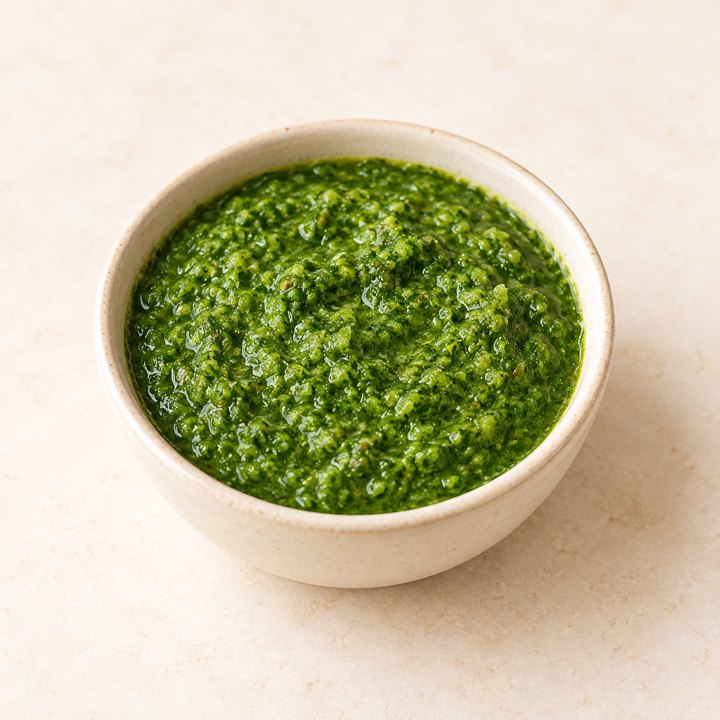
Green chutney usually means a fresh coriander and mint sauce, often called hari chutney, dhania chutney or podina chutney in Pakistan.
What it is and names used in Pakistan
Green chutney usually means a fresh coriander and mint sauce, often called hari chutney, dhania chutney or podina chutney in Pakistan.
Origin and historical context
Chutney is a diverse South Asian preparation family rather than one historic recipe. Fresh herb versions developed alongside local herbs, grinding tools and regional meal customs.
Types, manufacture and buying
Washed coriander, mint, green chilli, acid and salt are ground into a paste. Yogurt, roasted cumin, nuts or coconut appear in particular versions and change storage and allergens.
Read the first few ingredients to understand what supplies most of the sauce’s body: vegetables, water, sugar, oil, fermented paste or starch. Compare a regular serving rather than only the front-label claims. A product described as mild, natural or premium can still be salty or sweet. Heat ratings and thickness are not standardised across all manufacturers, so opening a new brand is a good time to taste cautiously. Small packs can be useful when an unfamiliar sauce will only be used occasionally.
Reference: Shan Foods: Chutney product family.
Production, trade and the Pakistani pantry
Fresh chutney is widely made in Pakistani homes and restaurants; commercial bottled versions often differ in acidity, colour and preservation.
Cooking uses and practical substitutions
For papri chaat use a lively, spoonable chutney; for bun omelette keep it thicker so the bread stays intact. Mint yogurt sauce can replace it when dairy is appropriate.
Measure concentrated sauce into a small bowl before adding it to a hot pan. This helps control the quantity and avoids pouring steam or splashes back into the bottle. Start with less than expected, then taste the complete mixture because salt, sweetness and acidity interact with other ingredients. Sugary sauces need particular care over direct heat: a glossy coating can darken quickly and turn bitter. Add water or another recipe liquid in small amounts if a paste needs loosening. Use a fresh spoon for tasting and a clean utensil for the storage container.
Nutrition, benefits and limitations
Fresh herbs supply aroma and some micronutrients, although a small spoonful of sauce is not a substitute for a substantial vegetable serving. The nutritional profile can change greatly with added oil, nuts, cheese, yogurt or sugar. Oil-rich versions provide concentrated energy; dairy and nuts introduce protein but also relevant allergens. Blending does not create detoxifying properties, and neither garlic nor herbs make an untested sauce safely preserved. For a less rich accompaniment, adjust the portion or choose a recipe designed with less oil, rather than diluting a storage jar unpredictably.
Thoroughly wash herbs with potable water and refrigerate promptly. Lemon juice does not turn an untested raw chutney into a shelf-stable preserve.
Practical notes and common mistakes
Coriander stems can contribute flavour to a smooth chutney when tender and well washed, while tough mint stems are better removed. Drain washed herbs so the sauce does not become watery. Grind in short bursts if your machine warms the mixture noticeably, then add liquid only as needed. For chaat, a thinner chutney spreads easily; for bun omelette, a thicker one stays where it is placed. Adding yogurt makes a new formulation with dairy and changes the balance of acidity, colour and storage requirements.
Storage and safe handling
Fresh blended herb sauces need careful refrigeration and clean handling. Wash herbs with potable water, drain well and use clean equipment. Follow commercial labels for opened jars, including any use-within period. Homemade sauces, especially those containing raw garlic, dairy or nuts, should be made in small batches and kept at 4°C or below. Do not assume an oil layer or squeeze of lemon makes a sauce shelf-stable. Freeze suitable small portions if the recipe permits. Unexpected mould, deterioration or prolonged warm storage is a reason to discard the sauce.
Recipes and related pantry reading
Use the form and quantity specified in each recipe, then adjust for the concentration, salt and moisture of the product you have bought. These dishes show where the ingredient fits in a complete preparation.
For related local names and pantry ingredients, see the Pakistani ingredients and spices guide.
Names and forms used in our recipes
View the recipe names covered by this guide
- green chutney
- prepared coriander-mint chutney
Frequently Asked Questions
Can green chutney contain yogurt or nuts?
Yes. Recipes vary, so those additions need dietary and storage checks.
Why is my green chutney watery?
Wet herbs or excess added liquid can dilute it; drain herbs and add water gradually.
Keep Exploring
Related places and stories on DailyLife.pk

How we know this
- Type Explainer
- Sources 3 (2 official/academic)
- Reviewed November 2026
- Disputed points None
