
Ingredients & Spices · The complete guide
Rice vinegar
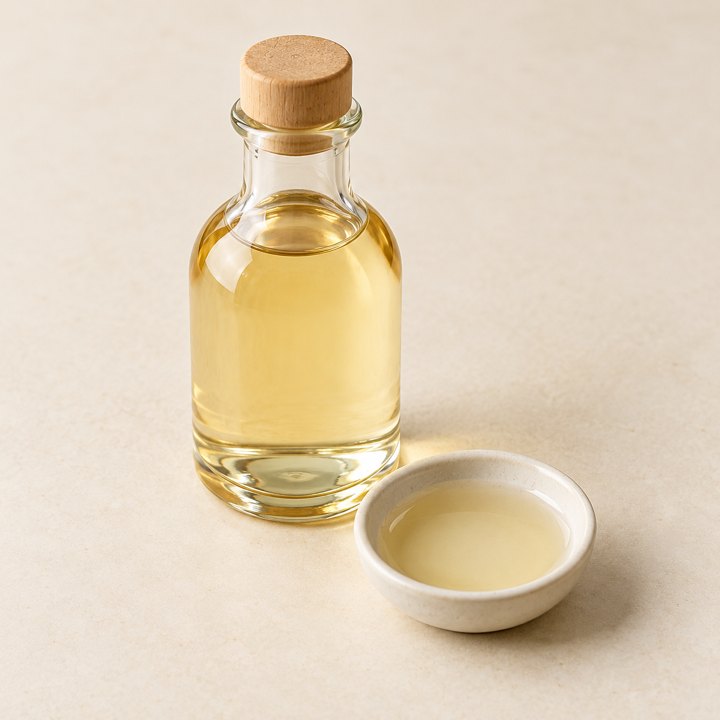
Rice vinegar is a vinegar made through rice-related fermentation. Unseasoned rice vinegar differs from sushi-seasoning vinegar containing added sugar and salt.
What it is and names used in Pakistan
Rice vinegar is a vinegar made through rice-related fermentation. Unseasoned rice vinegar differs from sushi-seasoning vinegar containing added sugar and salt.
Origin and historical context
It has longstanding East Asian culinary uses, with distinct Chinese, Japanese and Korean traditions. The category has no useful single discovery date.
Types, manufacture and buying
Rice starch is converted to sugars, then alcohol and finally acetic acid. White, red, black, unseasoned and seasoned versions differ markedly in aroma and colour.
Use a food-grade product with an identifiable manufacturer, ingredient list and labelled acidity where relevant. White, cloudy, raw, filtered and organic describe different characteristics; none alone proves superior safety or a health benefit. For quick dressings, aroma may guide the choice, but for tested preservation methods the acid percentage matters directly. Seasoned vinegar can contain sugar and salt, so it needs different recipe adjustments from plain vinegar. A household cleaning acid is not a substitute for food vinegar, even if the bottle looks similar.
Reference: MAFF: Soy sauce, miso and other seasonings.
Production, trade and the Pakistani pantry
China, Japan and Korea have established rice-vinegar manufacture; Pakistan imports many specialty bottles and also sells more general food vinegars.
Cooking uses and practical substitutions
Use unseasoned vinegar for controlled sushi-rice seasoning or prawn sauces. Mild white wine vinegar can substitute in some dishes; do not replace a measured acid in canning without a tested recipe.
Add gradually and taste the full dish after stirring: a spoonful in a dressing has a different effect from the same amount in a large pot of soup. Cooking can soften volatile aromas, while adding near serving preserves a brighter impression. For marinades, acid changes the surface texture but does not sterilise raw meat or seafood. Keep marinating food refrigerated and discard or thoroughly cook any liquid that contacted raw meat before using it as a sauce. Use a glass, stainless-steel or other suitable food-safe container for prolonged acidic contact.
Nutrition, benefits and limitations
Plain vinegar is used in small amounts and usually contributes little energy, protein, fibre or micronutrients. Its principal value is flavour and, in properly designed recipes, acidity. Unfiltered vinegar should not be promoted as a cure for diabetes, obesity or digestive illness. Acidic liquids can irritate the mouth or stomach and damage tooth enamel when taken undiluted or repeatedly sipped. Culinary use dispersed through a meal differs from drinking concentrated spoonfuls as a supplement. If a vinegar contains added sugar or salt, those nutrients must be considered separately.
Mild taste does not establish a safe acidity for preservation. Read the percentage and distinguish seasoning blend from plain vinegar.
Practical notes and common mistakes
For sushi rice, use the recipe’s measured salt and sugar only after checking whether the vinegar is already seasoned. Doubling those additions produces a very different result. Red or black rice vinegar can be excellent in other dishes but changes colour and aroma compared with a pale Japanese-style vinegar. A mild vinegar substitution should be a deliberate flavour adjustment, not a casual replacement in a preservation formula. For quick sauces, compare the complete mixture after stirring because sugar and salt can soften the impression of acidity without changing its actual concentration.
Storage and safe handling
Keep the cap tight in a cool cupboard away from direct sunlight and follow any special label directions. Some natural sediment or a vinegar mother can form without implying spoilage, but unexpected contamination or a damaged container still needs attention. Avoid topping up old bottles with homemade liquids. For home canning and pickling, use tested recipes and the vinegar strength specified: the National Center for Home Food Preservation commonly calls for 5% acidity. Do not reduce vinegar or increase low-acid vegetables in a canning recipe simply because a milder flavour is preferred.
Recipes and related pantry reading
Use the form and quantity specified in each recipe, then adjust for the concentration, salt and moisture of the product you have bought. These dishes show where the ingredient fits in a complete preparation.
For related local names and pantry ingredients, see the Pakistani ingredients and spices guide.
Names and forms used in our recipes
View the recipe names covered by this guide
- rice vinegar
- unseasoned rice vinegar
Frequently Asked Questions
Is seasoned rice vinegar the same as plain rice vinegar?
No. Seasoned versions commonly contain added sugar and salt.
Can any mild rice vinegar be used for canning?
Only when the tested recipe and labelled acidity support that substitution.
Keep Exploring
Related places and stories on DailyLife.pk

How we know this
- Type Explainer
- Sources 3 (2 official/academic)
- Reviewed November 2026
- Disputed points None
