
Ingredients & Spices · The complete guide
Chicken wings: UsesBenefits, Buying and Cooking
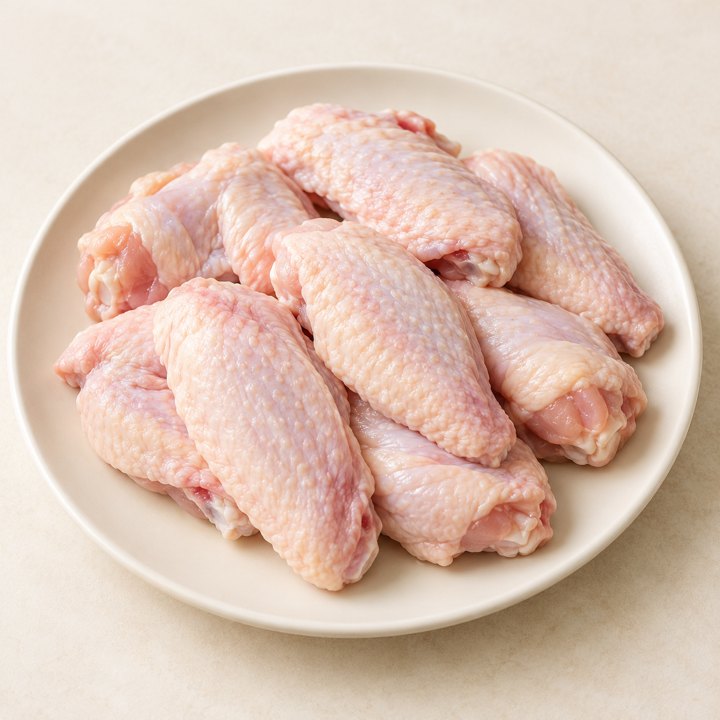
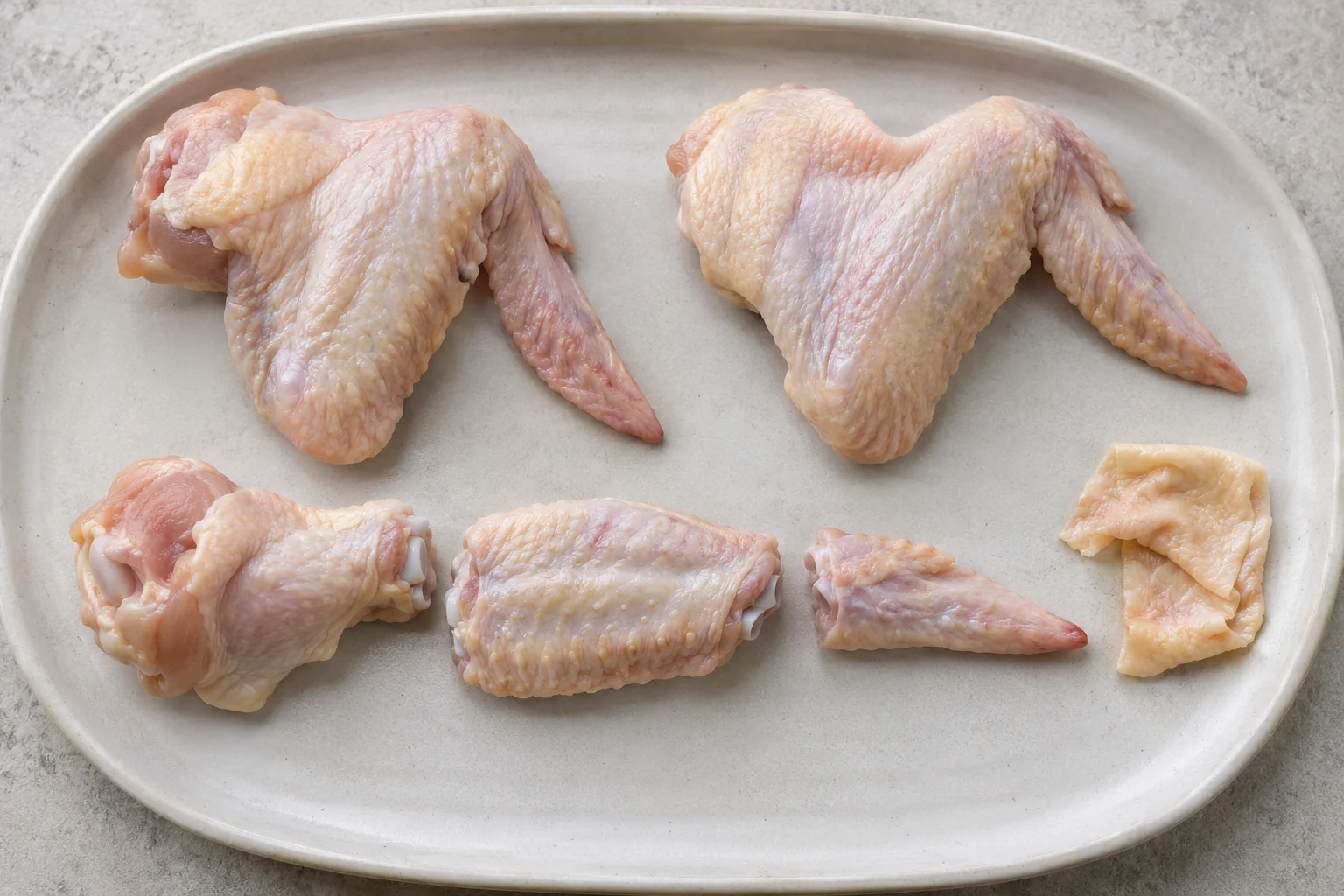
A whole chicken wing has three main sections: the drumette nearest the body, the two-bone flat and the narrow tip. Shops may sell whole wings or separated pieces.
What it is and what to ask for
A whole chicken wing has three main sections: the drumette nearest the body, the two-bone flat and the narrow tip. Shops may sell whole wings or separated pieces. The drumette resembles a tiny leg, but it is part of the wing, not a drumstick. Ask whether tips are included when comparing the kilogram price.
Wings suit grilling, roasting, frying and stock. They offer skin, a small amount of meat and an enjoyable eating texture, but poor boneless yield. Choose a different cut when you want generous lean meat strips or substantial curry portions. For a party, compare piece count and size as well as weight; a bag dominated by tips does not feed the same number of people as a bag of meaty drumettes and flats.
Choosing the right form for a Pakistani kitchen
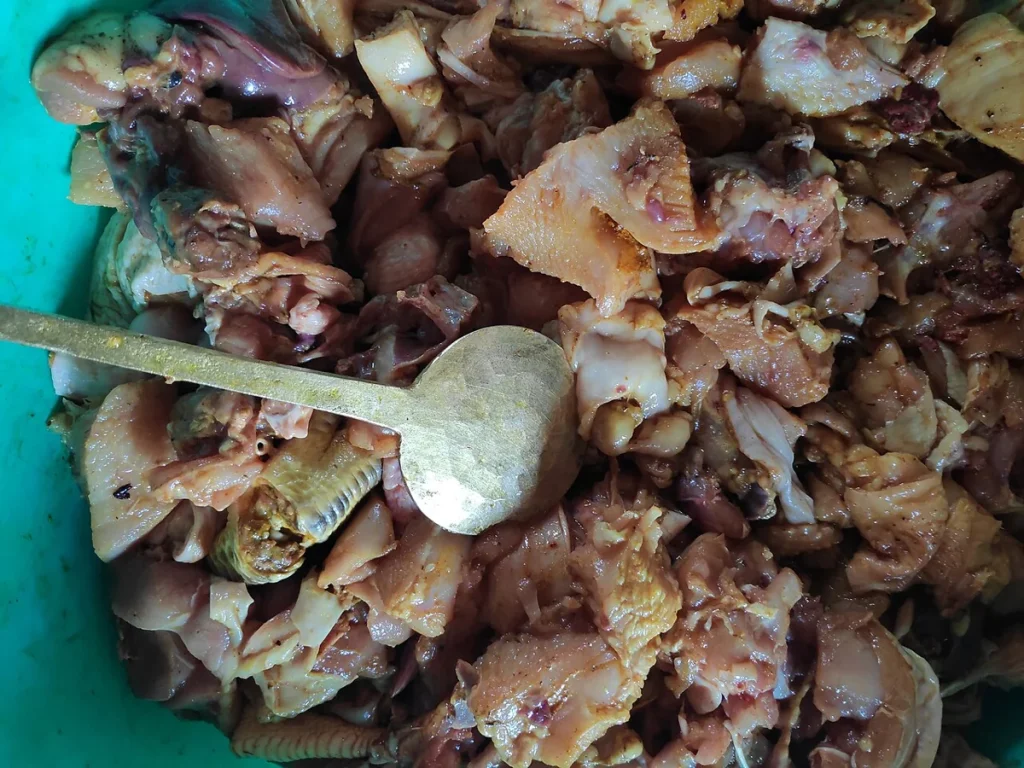
Wings make practical use of a part that can be overlooked when a bird is sold mainly for breast or leg meat. In a Pakistani kitchen they can carry tikka seasoning, enrich yakhni or become a separate snack dish. The sauce and method define the style; the cut itself does not require one particular imported glaze or restaurant preparation.
Skin is central to the wing's eating quality and explains why careful surface drying and space in the pan matter. A whole wing can be divided at its natural joints if you have suitable tools; ask the butcher to do it when unsure. Cutting through the middle of bones creates unnecessary fragments and makes portions harder to handle.
How to use it successfully
For roasted wings, dry the surface with disposable paper and arrange in a single layer with gaps. Crowded wings steam in their own moisture. A rack can help air circulate when the recipe and tray allow it. Turn or rotate as needed for your oven, and add a sugary glaze late enough to avoid burning it before the meat cooks.
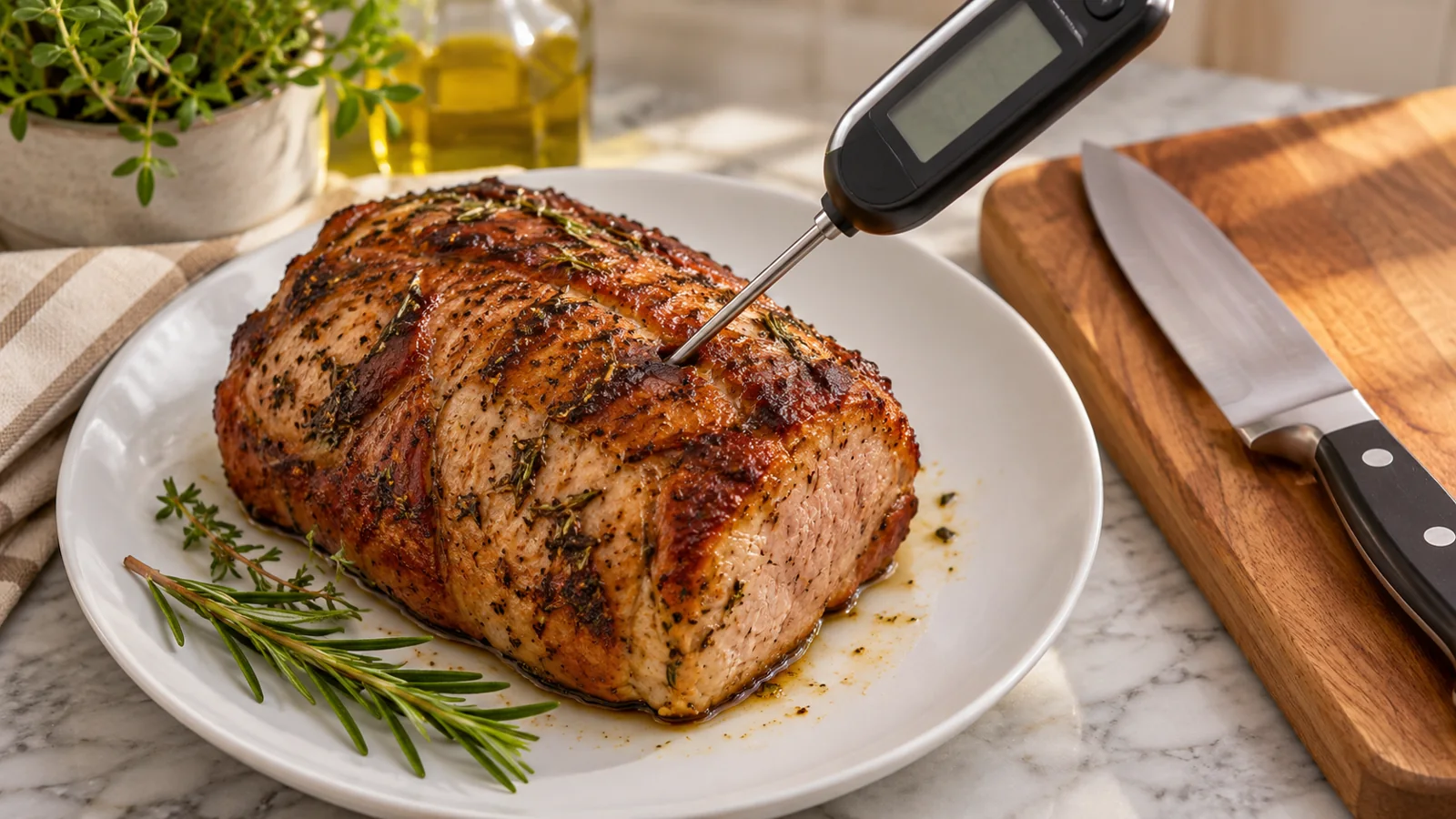
For grilling, use controlled heat and move pieces away from flare-ups. Thin tips can char before drumettes are ready, so consider separating them. Check 74°C in the thickest edible meat, keeping the probe away from bone; measure several pieces. Skin colour and crispness cannot establish safety. Wings intended for stock still need full cooking and safe chilling. If the sauce is watery after cooked wings are ready, reduce it separately rather than drying the meat while chasing a sticky coating. Handle hot rendered fat carefully and keep it away from open flames.
FoodSafety.gov: all poultry, including giblets and mince, needs 74°C
Nutrition, benefits and limits

Wings provide protein, but they also carry a substantial proportion of skin and bone. The useful comparison is edible serving and preparation, not only raw weight. Removing skin changes the dish and lowers the fat eaten, while deep frying and rich coatings add further fat or energy.
A salty or sweet glaze can dominate a finished wing dish. Serve reasonable portions with vegetables and other foods rather than treating wings as an unlimited protein food. They are not a special joint remedy because they contain connective tissue. If you want a leaner, easier-to-eat poultry serving, skinless breast or thigh may suit the meal better. Compare complete meals and dietary variety instead of ranking one cut as universally healthy or unhealthy.
Choosing a replacement
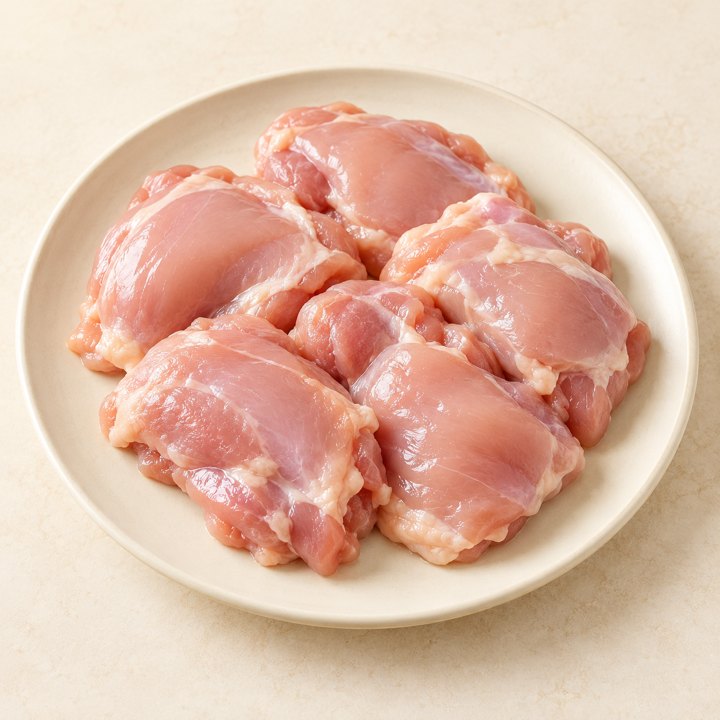
Drumsticks can carry similar marinades, but they are larger leg pieces with different thickness and cooking behaviour. Use a drumstick recipe or adjust carefully; they will not be ready on the same schedule as small wing flats. Boneless thigh makes easier-to-eat tikka bites but will not have crisp wing skin or the same bone-in texture.
Wing tips can enrich stock alongside frames and meaty pieces. They cannot replace a full serving of chicken meat, and a tips-only stock has a different flavour balance from a meatier broth. For a vegetarian snack, cauliflower or tofu can take similar spices in a separate preparation. Season the replacement for its own moisture and structure rather than copying the wing method mechanically.
Safe handling and storage

Keep raw poultry in a sealed leakproof container on a low shelf away from ready-to-eat food. Set the refrigerator to 4°C or below and use or freeze raw chicken, mince and giblets within one to two days. Thaw and marinate in the refrigerator. Do not wash raw chicken: water splashes can spread bacteria. Clean hands, boards, knives and worktops after preparation, and use a clean plate for cooked food.
Cook all poultry to 74°C, including mince and giblets, measuring the thickest edible part away from bone. Cool leftovers promptly in small shallow containers. Refrigerate within two hours, or one hour when exposed to temperatures above 32°C. Properly chilled cooked chicken generally keeps three to four days; reheat leftovers to 74°C. These limits assume continuous safe chilling, not hours of warm storage before refrigeration. Freezing or reheating does not reliably rescue food that has been left out too long. If its handling history is unsafe or uncertain, discard it rather than tasting to check.
USDA: raw and cooked chicken storage; FDA: do not wash raw poultry; FoodSafety.gov: chilling and thawing; USDA: cooling hot food
Planning, portions and serving
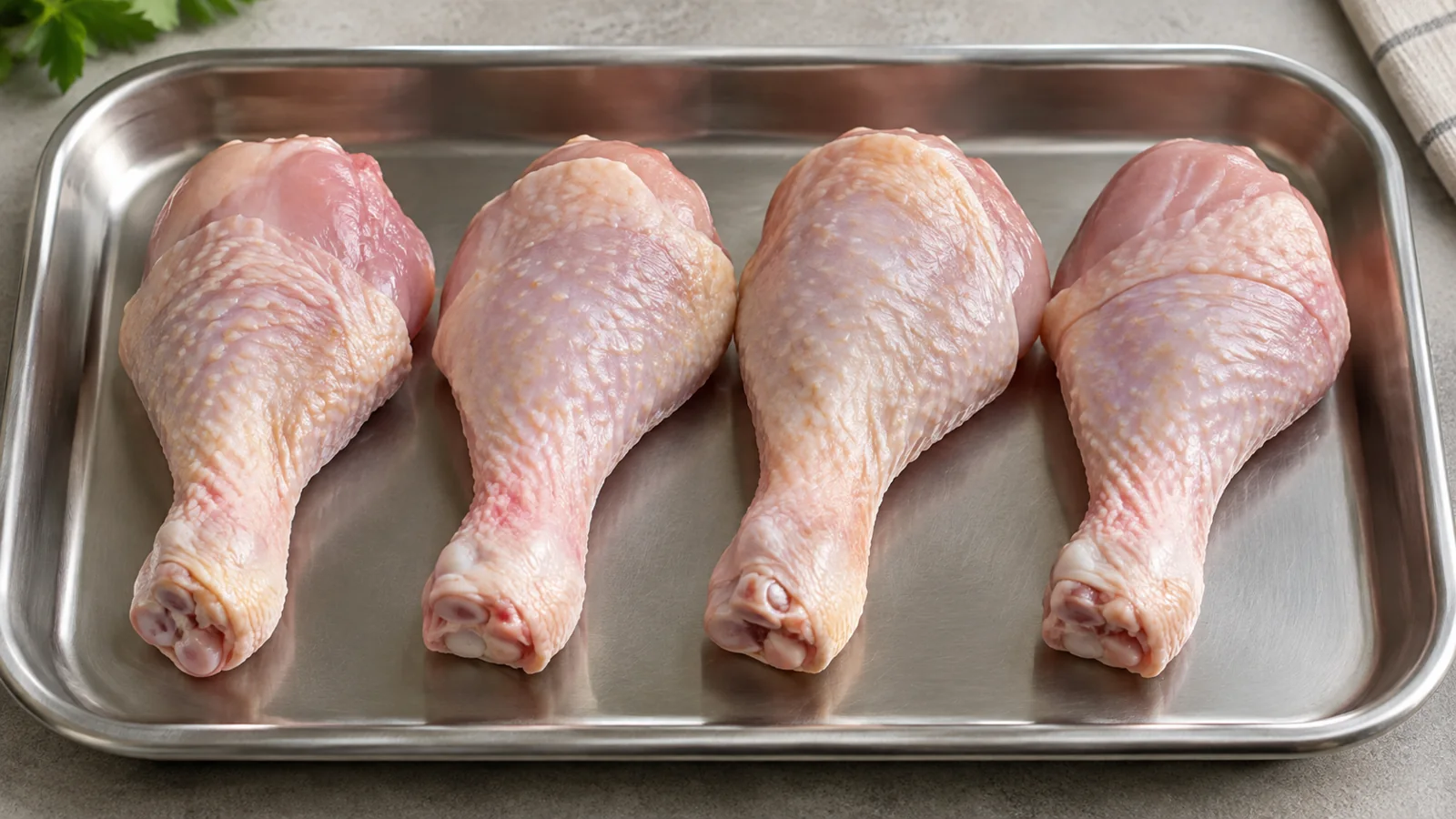
Think of wings as a shared snack or one part of a larger meal. The number of pieces needed varies widely with their size, whether tips are counted and what else is served. Order a mixture of meaty sections if fairness matters, and clarify whole wings versus individual flats or drumettes.
Give cooked wings a clean platter and serving tongs. Keep raw marinade away from dips, chutney and raita. Set aside sauce before raw wings touch it if you want a ready-to-serve dip. For a long gathering, serve smaller fresh batches and keep later raw batches refrigerated. Reserve leftovers promptly rather than repeatedly returning a serving platter to the table. Wings need the same chilling care as any other cooked chicken.
Recipes and pantry links

Read the complete recipe before shopping so you know whether it calls for raw or cooked chicken, bones or no bones, skin on or off and a specific prepared weight. Those details affect both the result and the quantity to buy. Prepare aromatics, sauce ingredients and clean serving utensils before the raw poultry work begins.
Use the linked dishes for practical combinations of cut, seasoning and method. Follow the chicken temperature checks in this guide even if a recipe gives an approximate time. If you change the cut or portion thickness, reassess the cooking sequence instead of assuming the original clock will still work. Keep salads and raita separate from all raw-chicken tools.
Names and forms used in our recipes
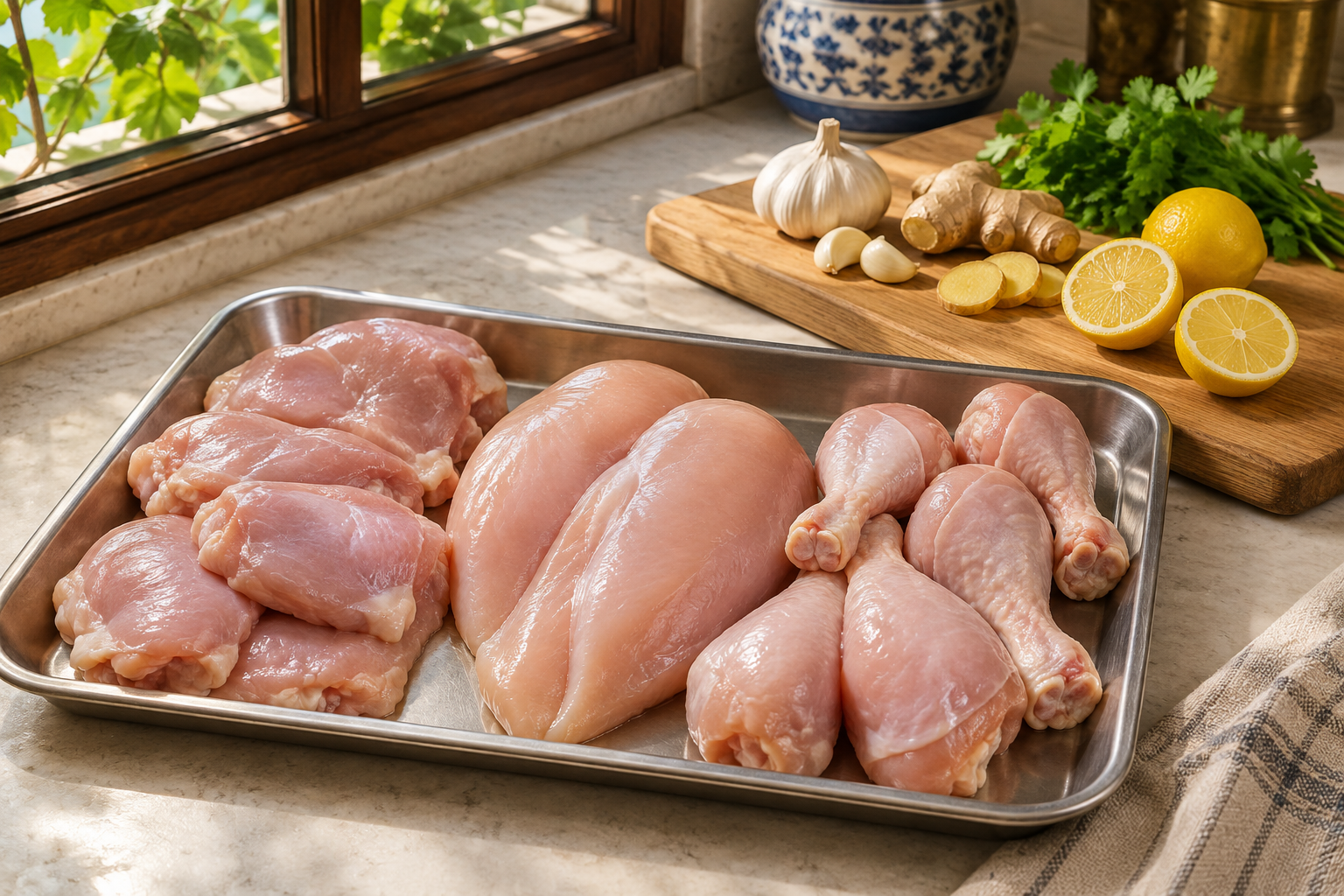
Whole wing means the connected drumette, flat and tip unless the seller has trimmed it. Split wings normally means jointed sections, but ask whether tips remain in the bag. Party wings may describe drumettes and flats only. These commercial phrases are not a guarantee of equal meat yield.
Skinless wings are uncommon in many kitchens and will not produce the same crisp surface as skin-on ones. Frozen wings may be individually separated or stuck in a block, affecting thawing convenience. Read packaged-product ingredients for salt, added water and coatings. Fully cooked frozen wings and raw frozen wings need different handling sequences; follow the package and verify reheating or cooking as appropriate rather than assuming a browned exterior means ready to eat.
- chicken wings
Frequently Asked Questions
Why do glazed wings burn before they cook through?
Sugar browns quickly over strong heat. Use controlled heat, apply sweet glaze later and verify 74°C in the thickest meat away from bone.
What should I check before buying chicken wings for these recipes?
Check whole versus split wings, whether tips are counted and whether salt or marinade is already added. Compare meaty piece count as well as weight.
What is a practical substitute for chicken wings?
Drumsticks provide larger bone-in portions and need a method suited to their thickness. Boneless thigh bites give a different texture and coating balance.
Keep Exploring
Related places and stories on DailyLife.pk
How we know this
- Type Explainer
- Sources 6 (4 official/academic)
- Reviewed November 2026
- Disputed points None
6 sources
Photo credits (1)
- Chicken Meat.jpg, Gaurav Dhwaj Khadka, CC BY-SA 4.0, via Wikimedia Commons
