
Ingredients & Spices · The complete guide
Apple (Seb)
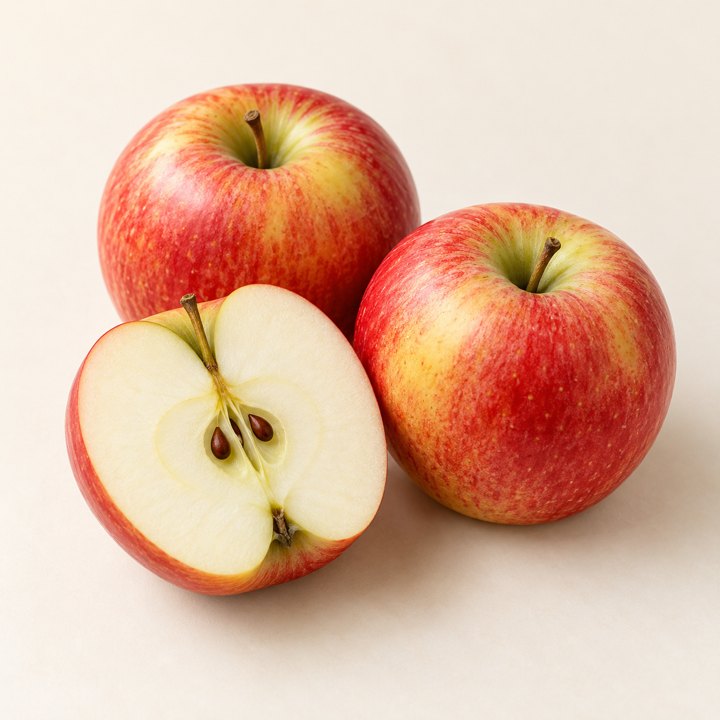
Apple is Malus domestica, a pome fruit in the rose family; seb in Urdu. Its eating character is crisp, juicy flesh with a balance of sweetness and malic acidity.
What is apple? Names, flavour and types
Apple is Malus domestica, a pome fruit in the rose family; seb in Urdu. Its eating character is crisp, juicy flesh with a balance of sweetness and malic acidity.
The main forms to recognise are crisp dessert apples, tart cooking apples, red-skinned and green-skinned cultivars. Choose the form and ripeness specified by the recipe.
Origins, cultivation and the Pakistan market
Central Asian wild apples, especially Malus sieversii, contributed strongly to domestication, with later mixing as cultivation travelled west. The relevant botanical or crop background is documented in Apple - Malus domestica | Kew.
Growing conditions and producing countries: Temperate orchards need winter chilling; China, Türkiye, Poland and the United States cultivate apples. Balochistan and northern upland orchards supply familiar local apples. Fresh fruit, frozen pulp, dried fruit and juice are separate commercial products. Where a pack provides an origin label, use it to identify that batch rather than assuming the seller’s address is the growing country. Seasonal locally grown fruit often offers better ripeness than fruit chosen mainly for long transport.

How to prepare, cook and substitute it
Keep firm pieces for fruit chaat; choose tart, structured apples for pie. Cook softer apples into sauce rather than expecting distinct slices
A crisp apple is not automatically the best cooking apple. Some varieties soften rapidly and make a good sauce; others keep a clear edge after the surrounding pastry has baked. For a pie, use a firm tart apple or a mixture of firm and softer fruit. Cut the slices evenly and let the filling cool before enclosing it if the recipe calls for cooked fruit. For chaat, cut near serving and toss gently with the acidic dressing to slow surface browning.
Match the ripeness to the job. A fruit that is excellent for eating immediately can be too soft for neat cubes, while a firmer specimen may work better in a salad or cooked filling. Wash the outside before cutting even when the peel will be removed, so the knife does not carry surface dirt into the flesh. Prepare the edible portion before measuring recipe weight when the ingredient list specifies flesh. Add delicate ripe pieces gently and close to serving if they would otherwise break down in a mixed dish.
A useful starting substitute is firm pear for salads, quince for long cooking, with sugar and cooking time adjusted. Adjust the recipe for the replacement’s texture and moisture.
Buying and storing it well
Look for firm fruit without soft bruises or fermented scent; skin colour alone does not establish sweetness. Buy an amount that can be used while its texture is still suitable for the intended dish. Trim away ordinary damaged portions where appropriate, but reject a product showing active decay or an abnormal smell rather than hiding it in a strongly spiced preparation.
For storage, refrigerate sound apples; refrigerate cut pieces in a covered container. Keep prepared portions separate from unwashed produce and raw animal foods. Use a clean covered container for cut or cooked food, and label frozen portions so the oldest batch is used first. The condition at purchase, kitchen temperature and packaging all affect keeping quality; a fixed number of days is not a guarantee of safety.
Nutrition, benefits and practical cautions
The nutritional contribution is fibre, especially when the skin is eaten, and modest vitamin C. USDA FoodData Central distinguishes raw, cooked, dried and processed forms. Recipe totals must also account for added oil, cream, sugar or syrup.
Remove the core and seeds; raw apple can trigger pollen-related oral allergy in susceptible people. Its role in a balanced meal depends on portion size and preparation. Whole foods and concentrated supplements are different products and should not be treated as interchangeable.
Recipes using apple
Use the linked recipes to match preparation to the finished dish. Check whether the ingredient quantity means whole purchased weight, peeled edible weight, drained weight or a cooked portion before shopping. This is especially helpful when a recipe needs a thick filling or a carefully balanced drink.
For related Urdu names, pantry ingredients and cooking combinations, see the Pakistani ingredients and spices guide.
Names and forms used in our recipes
View the recipe names covered by this guide
- apple
- apples
- tart apples
Frequently Asked Questions
Why do some apples collapse in a pie?
A crisp apple is not automatically the best cooking apple. Some varieties soften rapidly and make a good sauce; others keep a clear edge after the surrounding pastry has baked. For a pie, use a firm tart apple or a mixture of firm and softer fruit. Cut the slices evenly and let the filling cool before enclosing it if the recipe calls for cooked fruit. For chaat, cut near serving and toss gently with the acidic dressing to slow surface browning.
How should I store apple?
Refrigerate sound apples; refrigerate cut pieces in a covered container.
What should I consider before serving apple?
Remove the core and seeds; raw apple can trigger pollen-related oral allergy in susceptible people.
Keep Exploring
Related places and stories on DailyLife.pk

How we know this
- Type Explainer
- Sources 6 (3 official/academic)
- Reviewed November 2026
- Disputed points None
6 sources
Photo credits (1)
- I-11 Sabze Mande, Islamabad.jpg, Pakieditor, CC BY-SA 4.0, via Wikimedia Commons
