
Ingredients & Spices · The complete guide
Lettuce
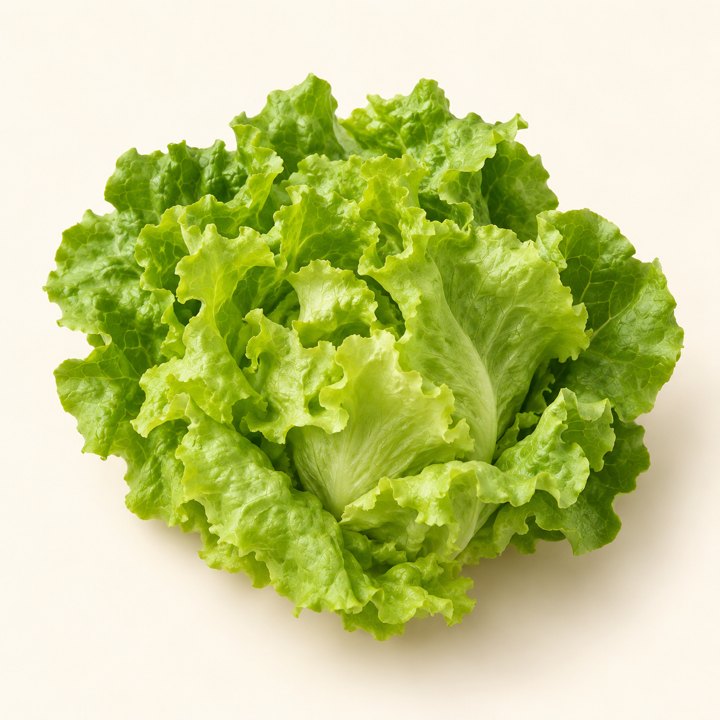
Lettuce is Lactuca sativa, a cultivated leaf vegetable; salad patta is a descriptive local term. Its eating character is mild, crisp or buttery, with bitterness increasing in stressed mature leaves.
What is lettuce? Names, flavour and types
Lettuce is Lactuca sativa, a cultivated leaf vegetable; salad patta is a descriptive local term. Its eating character is mild, crisp or buttery, with bitterness increasing in stressed mature leaves.
The main forms to recognise are crisphead iceberg, butterhead, loose-leaf and romaine; textures differ substantially. Choose the form and ripeness specified by the recipe.
Origins, cultivation and the Pakistan market
Domesticated from wild lettuce in the western Asian and Mediterranean region, with ancient Egyptian cultivation documented. The relevant botanical or crop background is documented in Lactuca sativa L. | Plants of the World Online | Kew Science.
Growing conditions and producing countries: A cool-season crop, often protected from heat; China, the United States and European countries grow lettuce. A salad and sandwich ingredient in urban groceries; outer-leaf freshness matters more than head size. Fresh leaves have a short selling life, so nearby production and reliable cooling often matter more to household quality than the distance printed on a label. Imported salad packs and locally tied market bunches can also differ considerably in trimming and usable weight.

How to prepare, cook and substitute it
Separate leaves, rinse under running water and dry well. Add to sandwiches just before serving to keep bread from becoming soggy
Water clinging to leaves travels into bread and dilutes dressings. Dry the lettuce thoroughly in a spinner or with clean absorbent material, then keep it cold until assembling. A whole crisp leaf can act as a useful layer between moist filling and bread, but only if the leaf itself is dry. Avoid crushing lettuce under a hot filling long before serving. Iceberg supplies crunch, butterhead a softer bite, and loose-leaf types more exposed leafy surface, so choose for the sandwich rather than treating all lettuce as identical.
Work with the stems and leaves separately when their thickness differs. A coarse stem may still be firm after the leaf has collapsed, so either trim it away or give it a head start. Drain washed greens properly before they meet hot oil: water lowers the pan temperature and can leave a masala thin. For a smooth saag, cook the leaves to tenderness before blending rather than expecting a blender to soften tough fibre. Taste the finished mixture before adding more salt, especially after its volume has reduced.
A useful starting substitute is thin cabbage for firmer crunch, or tender rocket for a peppery salad. Adjust the recipe for the replacement’s texture and moisture.
Buying and storing it well
Look for crisp leaves without wet decay, slimy ribs or substantial browning. Buy an amount that can be used while its texture is still suitable for the intended dish. Trim away ordinary damaged portions where appropriate, but reject a product showing active decay or an abnormal smell rather than hiding it in a strongly spiced preparation.
For storage, refrigerate clean dry leaves in a covered container with absorbent paper. Keep prepared portions separate from unwashed produce and raw animal foods. Use a clean covered container for cut or cooked food, and label frozen portions so the oldest batch is used first. The condition at purchase, kitchen temperature and packaging all affect keeping quality; a fixed number of days is not a guarantee of safety.
Nutrition, benefits and practical cautions
The nutritional contribution is water, folate and vitamin K; darker leaves generally contain more carotenoid pigments than pale iceberg. USDA FoodData Central distinguishes raw, cooked, dried and processed forms. Recipe totals must also account for added oil, cream, sugar or syrup.
Raw leaves can carry pathogens; washing reduces dirt but cannot guarantee sterility. Its role in a balanced meal depends on portion size and preparation. Whole foods and concentrated supplements are different products and should not be treated as interchangeable.
Recipes using lettuce
Use the linked recipes to match preparation to the finished dish. Check whether the ingredient quantity means whole purchased weight, peeled edible weight, drained weight or a cooked portion before shopping. This is especially helpful when a recipe needs a thick filling or a carefully balanced drink.
For related Urdu names, pantry ingredients and cooking combinations, see the Pakistani ingredients and spices guide.
Names and forms used in our recipes
View the recipe names covered by this guide
- lettuce
- soft lettuce leaves
Frequently Asked Questions
Why does washed lettuce make sandwiches soggy?
Water clinging to leaves travels into bread and dilutes dressings. Dry the lettuce thoroughly in a spinner or with clean absorbent material, then keep it cold until assembling. A whole crisp leaf can act as a useful layer between moist filling and bread, but only if the leaf itself is dry. Avoid crushing lettuce under a hot filling long before serving. Iceberg supplies crunch, butterhead a softer bite, and loose-leaf types more exposed leafy surface, so choose for the sandwich rather than treating all lettuce as identical.
How should I store lettuce?
Refrigerate clean dry leaves in a covered container with absorbent paper.
What should I consider before serving lettuce?
Raw leaves can carry pathogens; washing reduces dirt but cannot guarantee sterility.
Keep Exploring
Related places and stories on DailyLife.pk

How we know this
- Type Explainer
- Sources 5 (2 official/academic)
- Reviewed November 2026
- Disputed points None
5 sources
Photo credits (1)
- I-11 Sabze Mande, Islamabad.jpg, Pakieditor, CC BY-SA 4.0, via Wikimedia Commons
