
Ingredients & Spices · The complete guide
Sweetcorn
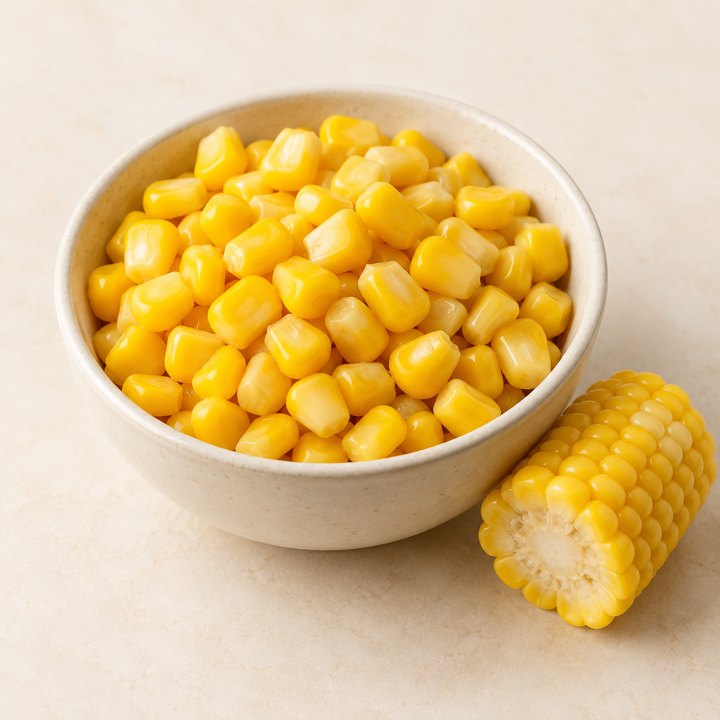
Sweetcorn is sweet forms of Zea mays, harvested immature before the kernels become hard grain. Its eating character is sweet, juicy and gently starchy, with a kernel skin that adds bite.
What is sweetcorn? Names, flavour and types
Sweetcorn is sweet forms of Zea mays, harvested immature before the kernels become hard grain. Its eating character is sweet, juicy and gently starchy, with a kernel skin that adds bite.
The main forms to recognise are standard sweet, sugar-enhanced and supersweet hybrids; cobs, frozen kernels and canned kernels. Choose the form and ripeness specified by the recipe.
Origins, cultivation and the Pakistan market
Maize was domesticated in Mexico from teosinte; sweetcorn reflects later selection for kernels that retain more sweetness. The relevant botanical or crop background is documented in Maize - Zea mays | Kew.
Growing conditions and producing countries: A warm-season crop; the United States, China, Hungary and Thailand have sweetcorn industries. Bhutta may be field maize or sweeter corn, so fresh local cobs vary in sweetness and firmness. Fresh, frozen and canned versions are separate market products. The best choice depends on the intended texture and whether the product is already cooked, salted or packed in liquid. Compare usable trimmed weight as well as purchase price when deciding between them.

How to prepare, cook and substitute it
Cook fresh cobs soon after buying. For chicken corn soup, combine whole kernels with lightly crushed corn for texture and thickening; drain canned corn before adding
It depends on the cob. Some bhutta is harvested from field-maize varieties and is much firmer and less sweet than commercial sweetcorn. Test a few kernels and cook them until properly tender before adding to a delicate soup. Frozen sweetcorn is usually convenient and consistent, while canned kernels may bring salt or sweetness from the packing liquid. For chicken corn soup, crushing part of the cooked corn creates body and leaves the rest as distinct kernels rather than turning the whole soup into a purée.
Prepare pieces of similar thickness and decide whether the dish needs a crisp bite or a fully softened texture. In a stir-fry, water left on washed ingredients can cool the pan and dilute the sauce. In a soup or curry, a little extra moisture may instead be useful. Keep the prepared ingredient separate from raw meat until the recipe’s cooking stage, and use clean utensils for the final garnish. A small test portion can establish cooking time when the available market variety is unfamiliar or noticeably more mature than usual.
A useful starting substitute is peas for sweetness in soup or rice, with a different flavour and softer skin. Adjust the recipe for the replacement’s texture and moisture.
Buying and storing it well
Look for fresh green husks and plump kernels rather than dry shrunken cobs. Buy an amount that can be used while its texture is still suitable for the intended dish. Trim away ordinary damaged portions where appropriate, but reject a product showing active decay or an abnormal smell rather than hiding it in a strongly spiced preparation.
For storage, refrigerate fresh cobs promptly; keep frozen kernels frozen and chill opened canned corn. Keep prepared portions separate from unwashed produce and raw animal foods. Use a clean covered container for cut or cooked food, and label frozen portions so the oldest batch is used first. The condition at purchase, kitchen temperature and packaging all affect keeping quality; a fixed number of days is not a guarantee of safety.
Nutrition, benefits and practical cautions
The nutritional contribution is carbohydrate, fibre and some folate; yellow kernels contain carotenoid pigments. USDA FoodData Central distinguishes raw, cooked, dried and processed forms. Recipe totals must also account for added oil, cream, sugar or syrup.
Corn allergy is possible; corn is a starchy vegetable rather than a protein replacement. Its role in a balanced meal depends on portion size and preparation. Whole foods and concentrated supplements are different products and should not be treated as interchangeable.
Recipes using sweetcorn
Use the linked recipes to match preparation to the finished dish. Check whether the ingredient quantity means whole purchased weight, peeled edible weight, drained weight or a cooked portion before shopping. This is especially helpful when a recipe needs a thick filling or a carefully balanced drink.
For related Urdu names, pantry ingredients and cooking combinations, see the Pakistani ingredients and spices guide.
Names and forms used in our recipes
View the recipe names covered by this guide
- cooked sweetcorn kernels
- fresh sweetcorn
- sweetcorn
Frequently Asked Questions
Can ordinary bhutta replace frozen sweetcorn in soup?
It depends on the cob. Some bhutta is harvested from field-maize varieties and is much firmer and less sweet than commercial sweetcorn. Test a few kernels and cook them until properly tender before adding to a delicate soup. Frozen sweetcorn is usually convenient and consistent, while canned kernels may bring salt or sweetness from the packing liquid. For chicken corn soup, crushing part of the cooked corn creates body and leaves the rest as distinct kernels rather than turning the whole soup into a purée.
How should I store sweetcorn?
Refrigerate fresh cobs promptly; keep frozen kernels frozen and chill opened canned corn.
What should I consider before serving sweetcorn?
Corn allergy is possible; corn is a starchy vegetable rather than a protein replacement.
Keep Exploring
Related places and stories on DailyLife.pk

How we know this
- Type Explainer
- Sources 5 (2 official/academic)
- Reviewed November 2026
- Disputed points None
5 sources
Photo credits (1)
- I-11 Sabze Mande, Islamabad.jpg, Pakieditor, CC BY-SA 4.0, via Wikimedia Commons
