
Ingredients & Spices · The complete guide
Lotus root (Bhein / lotus stem)
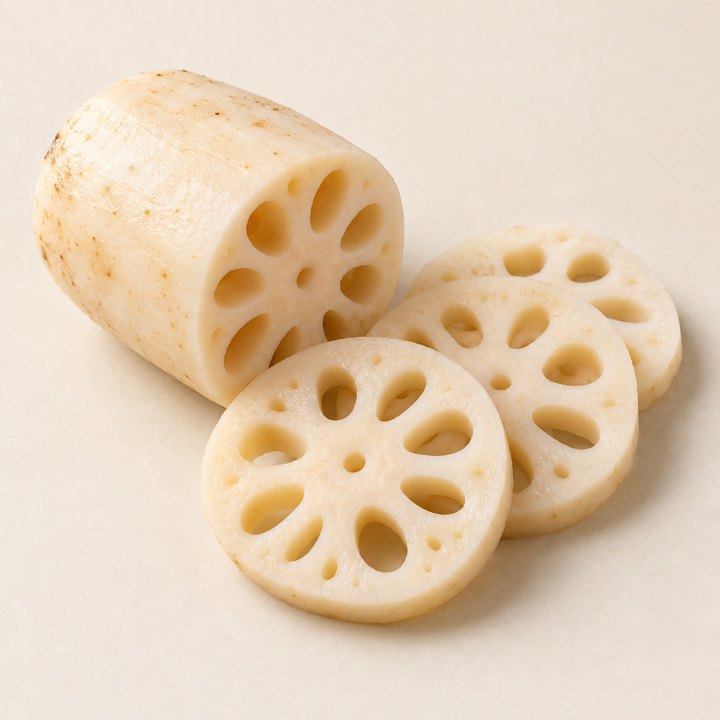
Lotus root is Nelumbo nucifera rhizome, often called bhein, bhey or kamal kakri; the hole-patterned portion is an underground stem. Its eating character is crisp and lightly sweet when quickly cooked, starchier and softer after simmering.
What is lotus root? Names, flavour and types
Lotus root is Nelumbo nucifera rhizome, often called bhein, bhey or kamal kakri; the hole-patterned portion is an underground stem. Its eating character is crisp and lightly sweet when quickly cooked, starchier and softer after simmering.
The main forms to recognise are fresh linked rhizomes, peeled vacuum-packed slices and frozen cut pieces. Choose the form and ripeness specified by the recipe.
Origins, cultivation and the Pakistan market
Lotus has long food and cultural histories in Asia; the rhizome was used well before modern specialised cultivation. The relevant botanical or crop background is documented in Nelumbo nucifera Gaertn. | Plants of the World Online | Kew Science.
Growing conditions and producing countries: An aquatic crop cultivated in managed ponds, especially in China, Japan, India and other Asian regions. Associated with Sindhi cooking and selected vegetable markets; do not confuse it with taro or other wetland plants. Storage roots and tubers can move through wholesale markets for longer than delicate leaves, but curing, ventilation and damage still affect keeping quality. Fresh produce and processed frozen or canned products belong to different trade channels and should be compared by edible weight.

How to prepare, cook and substitute it
Scrub, peel thinly and rinse mud from the internal channels. Slice across the stem for its characteristic holes, then cook in curry or stir-fry
After scrubbing and peeling the outer surface, slice across the rhizome and inspect the channels. Rinse away trapped sediment with clean water before cooking. Very muddy or discoloured interiors deserve particular attention, and soft rotten pieces should be rejected. Thin slices give a quick crisp stir-fry; thicker slices can stand up to a longer curry. Cut surfaces may discolour while waiting, so prepare reasonably close to cooking or hold briefly in clean refrigerated water rather than leaving slices exposed for hours.
Cut pieces to a similar thickness rather than judging only their length. This is particularly useful when a curry also contains meat or another vegetable: the slowest-cooking component determines when everything goes into the pan. Test the centre with a knife or fork instead of relying on a fixed time that ignores size and variety. If cooked pieces are needed for a filling, let steam escape before mashing. Extra water carried into dough or batter can produce a heavy, sticky result instead of a cleanly shaped filling.
A useful starting substitute is water chestnut for crunch, potato for a softer curry texture without the perforated appearance. Adjust the recipe for the replacement’s texture and moisture.
Buying and storing it well
Look for firm pale-brown rhizomes without soft blackened areas or sour smell. Buy an amount that can be used while its texture is still suitable for the intended dish. Trim away ordinary damaged portions where appropriate, but reject a product showing active decay or an abnormal smell rather than hiding it in a strongly spiced preparation.
For storage, refrigerate wrapped whole pieces; cover peeled slices with clean water in the fridge and use soon. Keep prepared portions separate from unwashed produce and raw animal foods. Use a clean covered container for cut or cooked food, and label frozen portions so the oldest batch is used first. The condition at purchase, kitchen temperature and packaging all affect keeping quality; a fixed number of days is not a guarantee of safety.
Nutrition, benefits and practical cautions
The nutritional contribution is starch, fibre and vitamin C, with heat affecting the vitamin level. USDA FoodData Central distinguishes raw, cooked, dried and processed forms. Recipe totals must also account for added oil, cream, sugar or syrup.
Use food-grade cultivated produce and cook appropriately; polluted-water harvests are unsuitable. Its role in a balanced meal depends on portion size and preparation. Whole foods and concentrated supplements are different products and should not be treated as interchangeable.
Recipes using lotus root
Use the linked recipes to match preparation to the finished dish. Check whether the ingredient quantity means whole purchased weight, peeled edible weight, drained weight or a cooked portion before shopping. This is especially helpful when a recipe needs a thick filling or a carefully balanced drink.
For related Urdu names, pantry ingredients and cooking combinations, see the Pakistani ingredients and spices guide.
Names and forms used in our recipes
View the recipe names covered by this guide
- food-grade lotus root/stem, peeled and sliced
- fresh lotus stem
Frequently Asked Questions
How are the holes in lotus root cleaned?
After scrubbing and peeling the outer surface, slice across the rhizome and inspect the channels. Rinse away trapped sediment with clean water before cooking. Very muddy or discoloured interiors deserve particular attention, and soft rotten pieces should be rejected. Thin slices give a quick crisp stir-fry; thicker slices can stand up to a longer curry. Cut surfaces may discolour while waiting, so prepare reasonably close to cooking or hold briefly in clean refrigerated water rather than leaving slices exposed for hours.
How should I store lotus root?
Refrigerate wrapped whole pieces; cover peeled slices with clean water in the fridge and use soon.
What should I consider before serving lotus root?
Use food-grade cultivated produce and cook appropriately; polluted-water harvests are unsuitable.
Keep Exploring
Related places and stories on DailyLife.pk

How we know this
- Type Explainer
- Sources 5 (2 official/academic)
- Reviewed November 2026
- Disputed points None
5 sources
Photo credits (1)
- I-11 Sabze Mande, Islamabad.jpg, Pakieditor, CC BY-SA 4.0, via Wikimedia Commons
