
Ingredients & Spices · The complete guide
Tinday
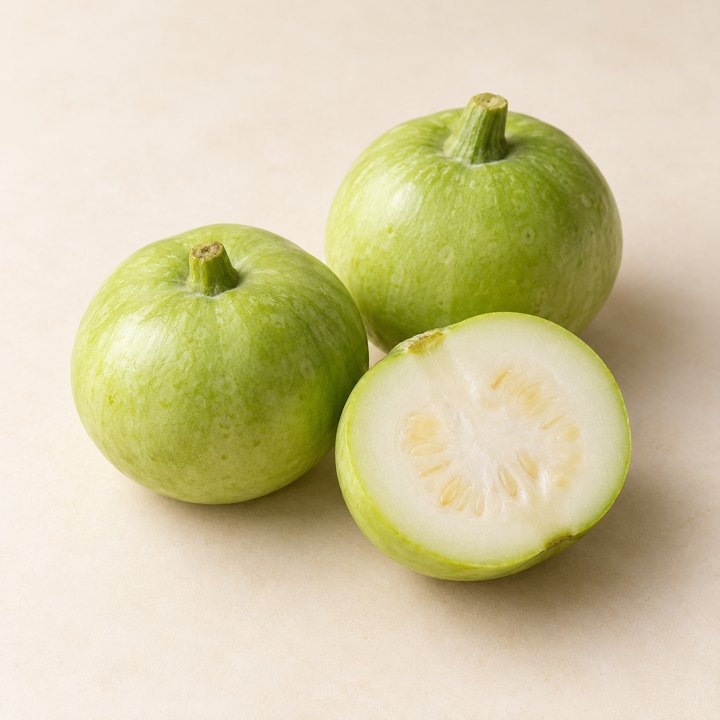
Tinday are Benincasa fistulosa, widely known by the synonym Praecitrullus fistulosus; tinda is the round tender gourd. Its eating character is mild, juicy and softly textured, carrying masala rather than imposing a strong aroma.
What is tinday? Names, flavour and types
Tinday are Benincasa fistulosa, widely known by the synonym Praecitrullus fistulosus; tinda is the round tender gourd. Its eating character is mild, juicy and softly textured, carrying masala rather than imposing a strong aroma.
The main forms to recognise are small round light-green gourds, smooth or slightly hairy young fruit and varying local seed selections. Choose the form and ripeness specified by the recipe.
Origins, cultivation and the Pakistan market
A South Asian cultivated cucurbit associated especially with India and Pakistan; its early history lacks a reliably established named discoverer. The relevant botanical or crop background is documented in Benincasa fistulosa (Stocks) H.Schaef. & S.S.Renner | Plants of the World Online | Kew Science.
Growing conditions and producing countries: Warm-season trailing vines need sun and regular moisture; grown chiefly within South Asian vegetable systems. A familiar summer vegetable for bharwan tinda and tinda masala. Most household purchases are young fresh vegetables rather than the mature dried gourds used for other purposes. Their tenderness declines with maturity, so a recently harvested modest-sized specimen can be a better cooking choice than a very large fruit offered at the same price.

How to prepare, cook and substitute it
Scrape or peel tough outer skin as needed. Hollow only tender fruit for stuffing, or quarter evenly and simmer in masala with little initial water
Choose small to medium tender fruit with a manageable wall thickness and soft immature seeds. Very large mature tinday can have a tough skin and fibrous seed cavity. Hollow carefully without cutting through the base, then leave room for the filling rather than packing it under pressure. Turn gently during cooking so the shell stays intact. Quartering is more forgiving for tinda masala, where a fruit that is sound but awkwardly shaped can still cook evenly after its toughest parts have been trimmed.
The amount of liquid released during cooking is often more important than the exact shape of the cut. Start a covered curry with modest added water, then assess after the vegetable has begun to soften. A wide pan helps a dry sabzi lose moisture, while a lid encourages a softer, saucier result. For grated fillings or milk sweets, use the recipe’s draining or squeezing step rather than treating it as optional. Taste a cooked piece for tenderness before reducing the sauce, so the masala does not scorch around an undercooked centre.
A useful starting substitute is small tender courgettes for stuffing, or bottle gourd cubes in a curry. Adjust the recipe for the replacement’s texture and moisture.
Buying and storing it well
Look for small firm tender gourds without woody seeds, extensive bruising or soft decay. Buy an amount that can be used while its texture is still suitable for the intended dish. Trim away ordinary damaged portions where appropriate, but reject a product showing active decay or an abnormal smell rather than hiding it in a strongly spiced preparation.
For storage, refrigerate in a loose bag and use before the skin and seeds toughen. Keep prepared portions separate from unwashed produce and raw animal foods. Use a clean covered container for cut or cooked food, and label frozen portions so the oldest batch is used first. The condition at purchase, kitchen temperature and packaging all affect keeping quality; a fixed number of days is not a guarantee of safety.
Nutrition, benefits and practical cautions
The nutritional contribution is water, a little fibre and modest micronutrients; the overall dish depends on oil and accompaniments. USDA FoodData Central distinguishes raw, cooked, dried and processed forms. Recipe totals must also account for added oil, cream, sugar or syrup.
Reject abnormal strong bitterness rather than masking it with spices. The relevant precaution is explained by Hong Kong Centre for Food Safety — Bitterness in luffa and other cucurbits. Its role in a balanced meal depends on portion size and preparation. Whole foods and concentrated supplements are different products and should not be treated as interchangeable.
Recipes using tinday
Use the linked recipes to match preparation to the finished dish. Check whether the ingredient quantity means whole purchased weight, peeled edible weight, drained weight or a cooked portion before shopping. This is especially helpful when a recipe needs a thick filling or a carefully balanced drink.
For related Urdu names, pantry ingredients and cooking combinations, see the Pakistani ingredients and spices guide.
Names and forms used in our recipes
View the recipe names covered by this guide
- small tinday (round gourd), trimmed and quartered
- small whole tinday, trimmed
Frequently Asked Questions
Which tinday are best for stuffing?
Choose small to medium tender fruit with a manageable wall thickness and soft immature seeds. Very large mature tinday can have a tough skin and fibrous seed cavity. Hollow carefully without cutting through the base, then leave room for the filling rather than packing it under pressure. Turn gently during cooking so the shell stays intact. Quartering is more forgiving for tinda masala, where a fruit that is sound but awkwardly shaped can still cook evenly after its toughest parts have been trimmed.
How should I store tinday?
Refrigerate in a loose bag and use before the skin and seeds toughen.
What should I consider before serving tinday?
Reject abnormal strong bitterness rather than masking it with spices.
Keep Exploring
Related places and stories on DailyLife.pk

How we know this
- Type Explainer
- Sources 5 (2 official/academic)
- Reviewed November 2026
- Disputed points None
5 sources
Photo credits (1)
- I-11 Sabze Mande, Islamabad.jpg, Pakieditor, CC BY-SA 4.0, via Wikimedia Commons
