
Ingredients & Spices · The complete guide
Moth beans
Moth beans are small seeds of Vigna aconitifolia, also called matki or moth. The word is a crop name and has nothing to do with pantry moth insects.
What it is and what to buy
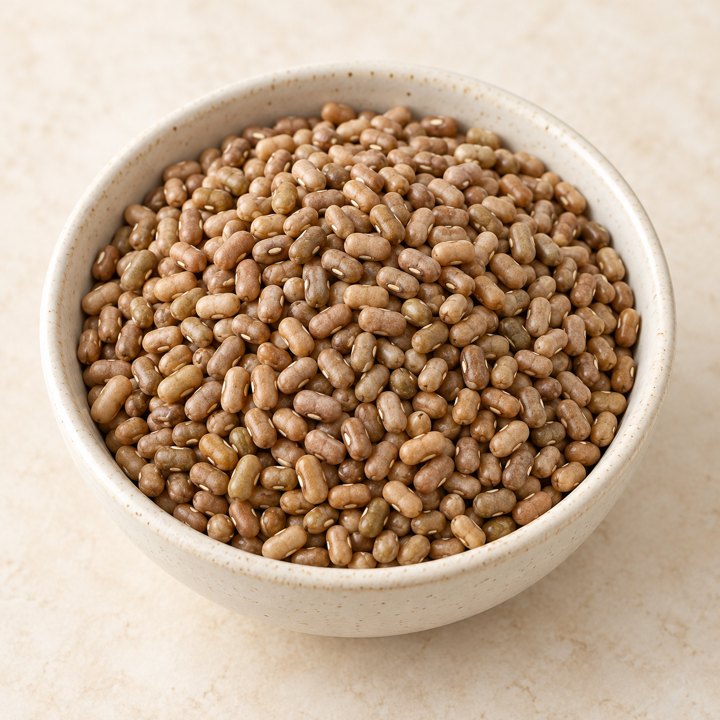
Moth beans are small seeds of Vigna aconitifolia, also called matki or moth. The word is a crop name and has nothing to do with pantry moth insects. Brownish elongated seeds and a relatively small size distinguish them from larger chickpeas and black-eyed peas. They are related to mung but are a separate species. Whole dried moth beans are the intended ingredient for moth dal here, not a packet of raw sprouts or a split yellow pulse.
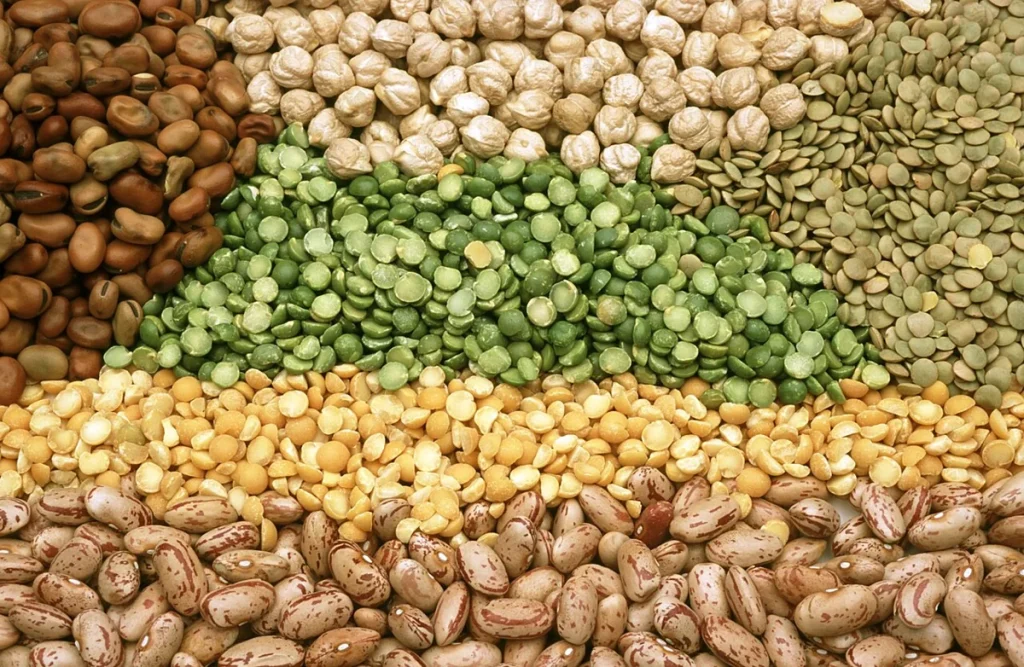
Pulses are the dried edible seeds of legumes, distinct from cereal grains. Their seed coats, size and starch characteristics determine how they cook. Whole seeds generally retain more shape than hulled split forms. Local names can overlap between regions, so the botanical species and the package description are useful when a recipe calls for an unfamiliar bean. A dried pulse is a raw ingredient; a commercially cooked canned product is a convenience ingredient with different preparation needs.
Origins and food history
Moth bean is associated with the hot, dry farming environments of the Indian subcontinent. Botanical and agricultural references identify India as a centre of origin, while Pakistan and Sri Lanka have been discussed as centres of diversity. This is a crop-development history, not a documented discovery by a named person. Its heat and drought tolerance helped it fit regional agriculture, but resilience in the field does not establish a medical property of a cooked serving.
Reference: Kew: Vigna aconitifolia.
Growing regions, trade and Pakistan
India is an established centre of moth-bean cultivation, especially in arid and semi-arid areas. Pakistan also includes moth bean among its food-legume genetic resources. It is a smaller, more specialised retail crop than chickpea or common mung, so availability can be regional and intermittent. No current exporter ranking is asserted here. Buy a clean food-grade product with an identifiable supplier and check the species where a seller uses the broad name matki or moth dal.
Reference: PROSEA: moth bean.
How to prepare and cook it
Sort and rinse the dry beans, then soak as directed. Simmer until the interior is tender, adding water as needed because a small bean can still take time if the crop is old. Prepare a masala to the desired style and combine after the beans have softened if acidic ingredients might slow the process. Keep a gentle simmer to preserve some shape. Moth beans are also sprouted in some cuisines, but a sprouted recipe has its own hygiene and cooking requirements; do not treat raw sprouts as an automatic shortcut to cooked dal.
Put this form of the ingredient to work in Moth Daal. The method in each recipe determines whether it should be raw, soaked, ground, freshly cooked or chilled before it enters the dish.
Nutrition, benefits and their limits
Pulses contribute plant protein, fibre, starch, folate and minerals. They work particularly well in meals with grains and vegetables, increasing the range of nutrients without requiring a large meat portion. Their iron is non-haem and is absorbed differently from meat iron; vitamin-C-rich foods can improve the meal’s contribution. The nutrition of a boiled pulse does not describe a sweetened halwa or heavily fried snack made from it. Consider the finished recipe, serving size and accompaniments together.
Allergies, disadvantages and safe handling
Legume allergy is possible and needs ingredient-specific assessment; being allergic to one pulse does not automatically prove every pulse unsafe or safe. Fermentable carbohydrates can cause gas and bloating, particularly with a sudden large serving. Soaking and thorough cooking may help, as can gradually increasing portions. Do not rely on raw sprouts as a safer alternative: sprouting conditions can also favour bacteria. Naturally gluten-free pulses still need suitable sourcing if cereal cross-contact is a concern.
Practical substitutions
Whole mung beans make a useful alternative with a different size and flavour. Black-eyed peas are larger and usually need adjusted cooking and serving proportions. Split moong gives a smoother result and does not preserve the same skin-on bite. Choose the substitute according to the texture wanted rather than colour alone.
Keeping it fresh
Sort dry pulses for stones and damaged seed, rinse, and keep the remainder sealed in a cool dry place. Crop age and storage conditions affect tenderness, so rotate stock rather than repeatedly topping up an old jar. Soak in the refrigerator when the kitchen is very warm. Cool cooked pulses promptly, refrigerate in shallow covered containers, and freeze extra portions when useful. Water absorbed during cooking changes both weight and volume, so compare recipe amounts in the same dry or cooked state.
For related ingredients and shopping terms, see the Pakistani ingredients and spices pantry guide.
Names and forms used in our recipes
View the recipe names covered by this guide
- whole dried moth beans (matki)
Frequently Asked Questions
Does moth bean mean an insect-damaged bean?
No. Moth is the common crop name for Vigna aconitifolia. Insect-damaged or webbed pantry food should still be rejected.
Can I use sprouted matki instead of dry beans?
Only with an adapted recipe. Sprouting changes moisture, texture and safety needs; the dry-bean quantity and cooking stage are no longer directly equivalent.
Keep Exploring
Related places and stories on DailyLife.pk

How we know this
- Type Explainer
- Sources 6 (2 official/academic)
- Reviewed November 2026
- Disputed points None
6 sources
Photo credits (1)
- CSIRO ScienceImage 3224 Pulses and legumes.jpg, division, CSIRO, CC BY 3.0, via Wikimedia Commons
