
Ingredients & Spices · The complete guide
Kidney beans (Rajma)
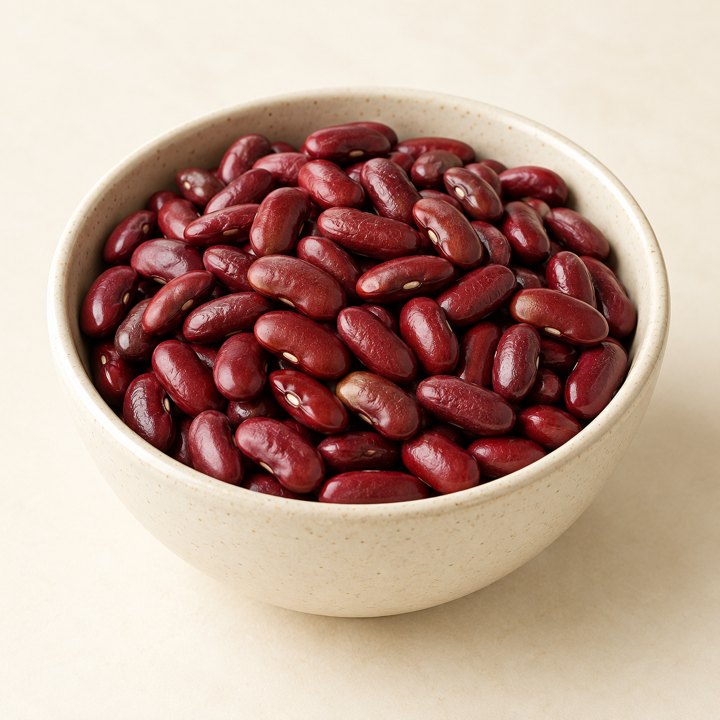
These are dry red kidney beans, or rajma, rather than a can of cooked beans. Light red and dark red types differ in colour and sometimes skin thickness.
What it is and what to buy
These are dry red kidney beans, or rajma, rather than a can of cooked beans. Light red and dark red types differ in colour and sometimes skin thickness. A sound seed should be dry and free of mould, damp odour or insect damage. Beans can be stored for a long time, but older stock often takes longer to soften, which matters when planning a curry or a mixed dal.
Kidney beans are kidney-shaped seeds of the common bean, Phaseolus vulgaris. Rajma is the familiar South Asian market and dish name. Red kidney beans range from light red to dark maroon, with differences in skin thickness and cooked texture. They are not black-eyed peas, chickpeas or whole black urad. A can contains already processed, cooked beans; a bag of dry beans contains a raw ingredient that needs a full safety-critical cooking step.
Origins and food history
Common beans originated in the Americas, with domestication histories in both Mesoamerica and the Andes. They reached South Asia after transoceanic exchange linked the Americas with the rest of the world. Rajma’s deep place in modern regional cooking does not make the species native to Kashmir or Punjab. No individual discoverer is documented, and familiar migration stories should not be turned into precise dates for the first bean curry.
Reference: FDA: natural toxins and beans.
Growing regions, trade and Pakistan
Common beans are grown in India, China, Myanmar, Brazil, Mexico, the United States and many other countries. Kidney beans are traded as a market class within this much larger common-bean crop. Pakistani shops may stock domestic or imported beans and imported cans; the variety name alone does not establish origin. A clear packer, lot and ingredient label are useful, particularly when comparing plain boiled beans with products canned in brine or a seasoned sauce.
Reference: Health Canada: lectins in dry legumes.
How to prepare and cook it
Soak in ample water, discard that water, and begin cooking in fresh water with the vigorous boil required for kidney-bean safety. Continue until every bean is fully tender; do not use a slow cooker as the only initial heating step. Once safely cooked, combine with the onion-tomato masala and simmer to integrate flavour. Crush a few beans into the gravy if a thicker body is wanted. Acidic tomato and tamarind are best added after softening when a batch is proving difficult to cook.
Put this form of the ingredient to work in Daal Makhani; Rajma Curry. The method in each recipe determines whether it should be raw, soaked, ground, freshly cooked or chilled before it enters the dish.
Nutrition, benefits and their limits
Kidney beans provide plant protein, carbohydrate, fibre, folate and minerals. Their substantial fibre and protein can make a meal more filling, but they still contribute carbohydrate and should be portioned as part of the whole plate. Canned beans can contain added salt; draining and rinsing can reduce some of it. A rich rajma curry has the nutritional effect of its oil and accompaniments as well as the beans. Claims that a serving detoxifies the body or cures diabetes are unsupported.
Allergies, disadvantages and safe handling
Raw and inadequately cooked kidney beans can contain dangerous levels of the lectin phytohaemagglutinin. Soaking alone does not remove the hazard. Follow official dry-bean instructions: soak, discard the soaking water, and boil vigorously in fresh water before simmering until fully tender. Health Canada advises a vigorous boil of at least ten minutes after soaking. A slow cooker alone is unsuitable for the initial treatment of raw kidney beans. Commercially canned kidney beans have already been adequately heat processed.
Practical substitutions
Plain canned kidney beans save soaking and initial cooking, so use drained cooked quantities and add later. Other cooked common beans can make a similar curry but alter flavour and appearance. Dry chickpeas or urad do not have identical texture or timing, and should not be inserted into a rajma method without adjustment.
Keeping it fresh
Dry beans need a sealed container in a dry cupboard. Discard beans with mould or damp, musty odours, and expect older sound beans to cook more slowly. Do not use swollen, leaking or badly damaged cans. Refrigerate opened canned beans and freshly cooked beans promptly in clean covered containers, or freeze in useful portions. Keep a little cooking liquid with home-cooked beans to reduce drying and cracking during reheating. Never taste partly cooked dry beans to decide whether the safety step can be skipped.
For related ingredients and shopping terms, see the Pakistani ingredients and spices pantry guide.
Working with other forms of this ingredient
Cooked kidney beans
Cooked kidney beans here means commercially canned red kidney beans or dry rajma already cooked with a proper safety method. Canned beans are ready to use after draining and any rinsing required by the recipe. Their packing liquid, salt content and drained yield vary. A can in chilli sauce or tomato sauce is a seasoned food rather than the plain beans specified for aush or Kashmiri-style rajma.
Kidney beans are kidney-shaped seeds of the common bean, Phaseolus vulgaris. Rajma is the familiar South Asian market and dish name. Red kidney beans range from light red to dark maroon, with differences in skin thickness and cooked texture. They are not black-eyed peas, chickpeas or whole black urad. A can contains already processed, cooked beans; a bag of dry beans contains a raw ingredient that needs a full safety-critical cooking step.
Drain plain canned beans and rinse if a cleaner flavour or less surface sodium is wanted. Prepare the curry masala or soup base before adding them, then simmer gently long enough to heat through and take up flavour. Vigorous stirring can split the soft beans and make a cloudy sauce. Retain a little plain cooking liquid if the recipe needs body, or mash a small portion into the gravy. Because the beans are already cooked, do not copy the long dry-bean simmer unchanged.
Put this form of the ingredient to work in Aush; Kashmiri Rajma. The method in each recipe determines whether it should be raw, soaked, ground, freshly cooked or chilled before it enters the dish.
Names and forms used in our recipes
View the recipe names covered by this guide
- canned kidney beans
- canned red kidney beans
- dried red kidney beans
- dry red kidney beans
Frequently Asked Questions
Can a slow cooker cook raw rajma safely?
Do not rely on it for the initial treatment. Soaked dry kidney beans need a vigorous boil in fresh water before the remaining cooking.
Can I taste a bean while it is partly cooked?
Avoid tasting raw or inadequately cooked kidney beans. Complete the required boil and cook them fully tender.
Keep Exploring
Related places and stories on DailyLife.pk

How we know this
- Type Explainer
- Sources 5 (3 official/academic)
- Reviewed November 2026
- Disputed points None
5 sources
Photo credits (1)
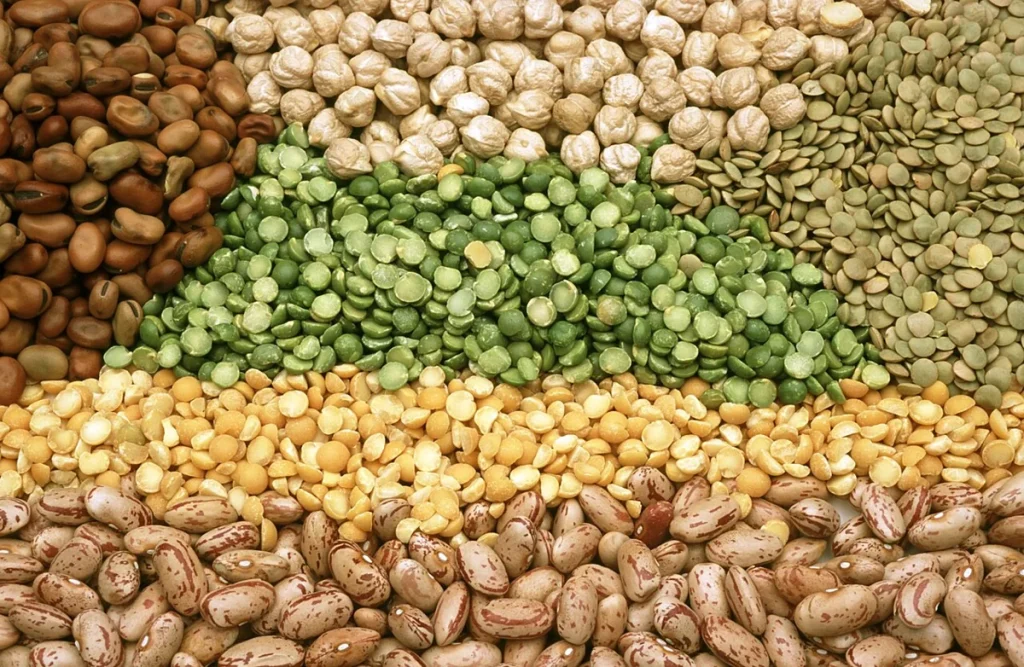
- CSIRO ScienceImage 3224 Pulses and legumes.jpg, division, CSIRO, CC BY 3.0, via Wikimedia Commons
