
Ingredients & Spices · The complete guide
Urad dal (Maash / urad)
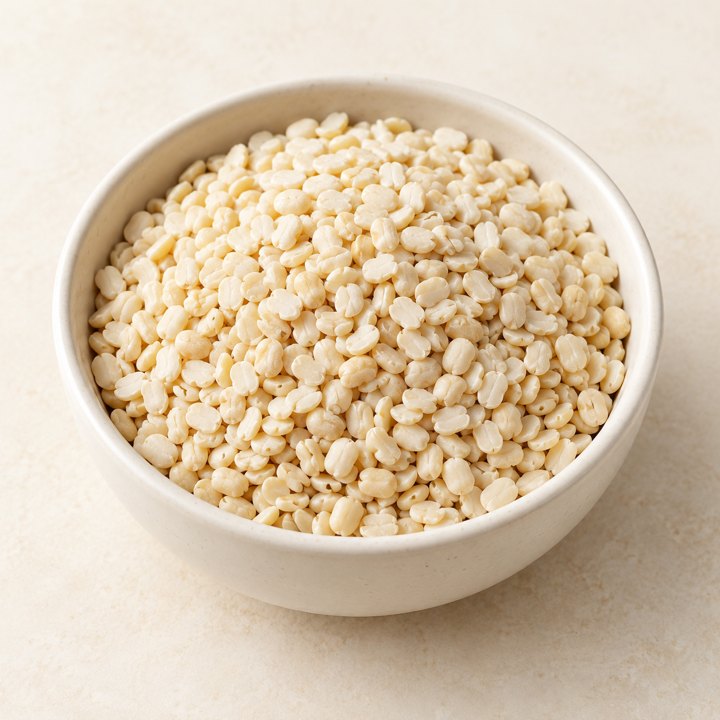
The urad dal used here is split, skinned black gram: cream-coloured pieces sold as mash or maash dal. The black outer coat has been removed, so a white appearance is normal.
What it is and what to buy
The urad dal used here is split, skinned black gram: cream-coloured pieces sold as mash or maash dal. The black outer coat has been removed, so a white appearance is normal. Whole skinned urad is another product and may not grind or hydrate at the same speed. A fine aerated urad batter is central to many bhallay and imarti methods, while a carefully cooked grain can remain more distinct in a dry-style dal mash.
Black gram is Vigna mungo, called mash, maash or urad in Pakistan and neighbouring food traditions. Whole black urad keeps its dark coat around a pale interior. Split skin-on urad has dark flecks, while split skinned urad is cream coloured. It is distinct from mung bean, Vigna radiata. Urad’s ability to produce a cohesive, aerated batter and a creamy cooked texture makes this distinction particularly important in bhallay, fermented batters and slow-cooked dal.
Origins and food history
Urad was domesticated in South Asia and has a long place in the region’s agricultural and culinary history. Evidence concerns the development and movement of a crop over generations, not a recorded individual inventor. A modern dal makhani recipe or restaurant story does not establish the beginning of black-gram cultivation. The different whole, split and hulled products are processing forms of the crop rather than separate ancient species.
Reference: Kew: Vigna mungo origin.
Growing regions, trade and Pakistan
India and Pakistan cultivate black gram, with Myanmar also an important commercial origin in regional pulse trade. Pakistan’s Punjab agriculture department recognises mash among its key pulses. Imported and domestic grain can be milled into the same retail form. Uniform colour, limited broken material in whole grain, and clear labelling of skinned versus skin-on forms help buyers choose a predictable product. Country of packing and the trade term urad do not identify the original farm.
Reference: Punjab Agriculture: pulse crops in Pakistan.
How to prepare and cook it
Rinse and soak as directed, then drain before grinding so the batter can be controlled. Add water gradually; an excessively loose batter is difficult to shape and may absorb more oil. Beating or grinding can incorporate air, but the recipe’s consistency matters more than an arbitrary blending time. For a cooked dal, stop when the centre is tender and the preferred amount of grain shape remains. Urad thickens readily, so stir and adjust moisture rather than allowing the base to scorch.
Put this form of the ingredient to work in Dahi Bhallay; Daal Mash; Haleem. The method in each recipe determines whether it should be raw, soaked, ground, freshly cooked or chilled before it enters the dish.
Nutrition, benefits and their limits
Urad supplies protein, starch, fibre and minerals; keeping the skin changes both fibre content and cooked appearance. It can help diversify protein sources in meals built around roti or rice. Thick dal is not necessarily high in fat by itself, but restaurant versions may include generous cream and butter. Likewise, a fried urad batter has a different energy profile from boiled dal. Judge the completed dish and portion rather than attributing all its qualities to the raw pulse.
Allergies, disadvantages and safe handling
Legume allergies and gas or bloating are possible. Urad contains no wheat gluten naturally, but products blended with wheat or handled on shared equipment require label checks. Rinse and cook dry dal properly. Fermented batters need hygienic preparation and controlled storage; a pleasant sour smell does not prove a batter safe. Soaking water and warm kitchens make time and temperature especially important. Do not leave cooked dal standing for many hours simply because it will later be boiled again.
Practical substitutions
Yellow moong can be used in some bhallay recipes, but it does not have exactly the same aeration and binding properties. A mixture should follow a tested ratio. Whole black urad produces a darker, skin-on dish and needs longer cooking; it is not a direct replacement for white urad batter.
Keeping it fresh
Whole black gram stores well when kept dry and insect-free, but age can increase cooking time. Hulled dal should remain cream coloured and free from musty smells or damp clumping. Label airtight jars with purchase dates and keep them away from steam. Refrigerate cooked dal promptly in shallow containers. Freeze extra plain dal before adding large quantities of cream if you want a flexible base for future meals. Reheat gently with water as needed and stir to prevent the dense pulse mixture from catching.
For related ingredients and shopping terms, see the Pakistani ingredients and spices pantry guide.
Working with other forms of this ingredient
Whole black urad
Whole black urad is the intact black-gram seed with its dark coat retained. It is the characteristic pulse in many dal makhani preparations, often cooked alongside a smaller amount of rajma. It is not a black lentil in the strict botanical sense, although that English trade name is common. The pale interior releases starch gradually while the skin remains visible, producing a texture unlike a pot made from white split urad.
Black gram is Vigna mungo, called mash, maash or urad in Pakistan and neighbouring food traditions. Whole black urad keeps its dark coat around a pale interior. Split skin-on urad has dark flecks, while split skinned urad is cream coloured. It is distinct from mung bean, Vigna radiata. Urad’s ability to produce a cohesive, aerated batter and a creamy cooked texture makes this distinction particularly important in bhallay, fermented batters and slow-cooked dal.
Sort, rinse and soak the grain, then cook until the interior is thoroughly creamy. Slow finishing after the main softening stage helps integrate the liquid, but very old grain can still need extra time or pressure cooking first. Stir regularly because thick urad catches on the base. Add cream or butter according to the recipe after the pulse texture is established. If using dry kidney beans in the same dish, give them their required vigorous-boil treatment; urad’s cooking instructions do not replace rajma safety guidance.
Put this form of the ingredient to work in Daal Makhani. The method in each recipe determines whether it should be raw, soaked, ground, freshly cooked or chilled before it enters the dish.
Names and forms used in our recipes
View the recipe names covered by this guide
- dry split skinned white urad dal
- dry split white urad dal
- dry whole black urad
- maash dal (split, skinned urad)
- split hulled urad dal
- split skinned urad dal
Frequently Asked Questions
Why is black gram white in the bag?
The dark seed coat has been removed. The inner seed is naturally pale.
Can I add lots of water while grinding?
Use only what is needed for the recipe’s texture. A thin batter is hard to correct and may not shape or fry properly.
Keep Exploring
Related places and stories on DailyLife.pk

How we know this
- Type Explainer
- Sources 6 (3 official/academic)
- Reviewed November 2026
- Disputed points None
6 sources
Photo credits (1)
- CSIRO ScienceImage 3224 Pulses and legumes.jpg, division, CSIRO, CC BY 3.0, via Wikimedia Commons
