
Ingredients & Spices · The complete guide
Mace (Javitri)
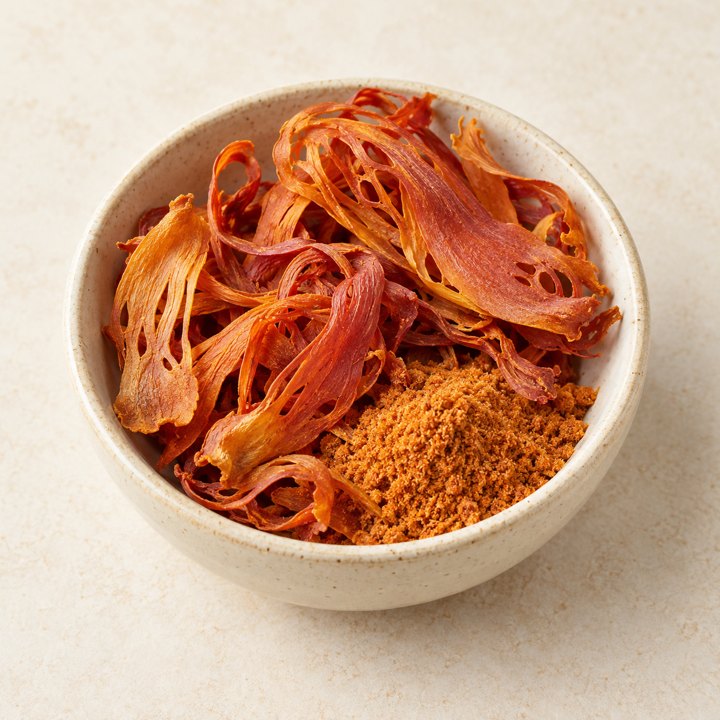
Mace, javitri or jaipatri, is the dried lacy aril surrounding the nutmeg seed of Myristica fragrans. It is therefore related to nutmeg but is a separate spice with a delicate warm floral character.
What it is and names to know
Mace, javitri or jaipatri, is the dried lacy aril surrounding the nutmeg seed of Myristica fragrans. It is therefore related to nutmeg but is a separate spice with a delicate warm floral character.
Origins, producing regions and Pakistan context
The nutmeg tree is native to Indonesias Maluku region. Nutmeg and mace became prized Asian and international trade goods; colonial commerce followed earlier regional knowledge rather than discovering the spices.
Indonesia, Grenada, Sri Lanka and India are established nutmeg-tree growing locations. Mace sold in Pakistan commonly enters through imported spice supply chains. The Netherlands is an importing, processing and re-exporting market for this spice group, as CBI explains; a Dutch dispatch address does not establish that a tropical crop was grown there.
Background: Spices Board: crop and ingredient reference.
Trade context: CBI: spice production and trade context.
Types and buying advice
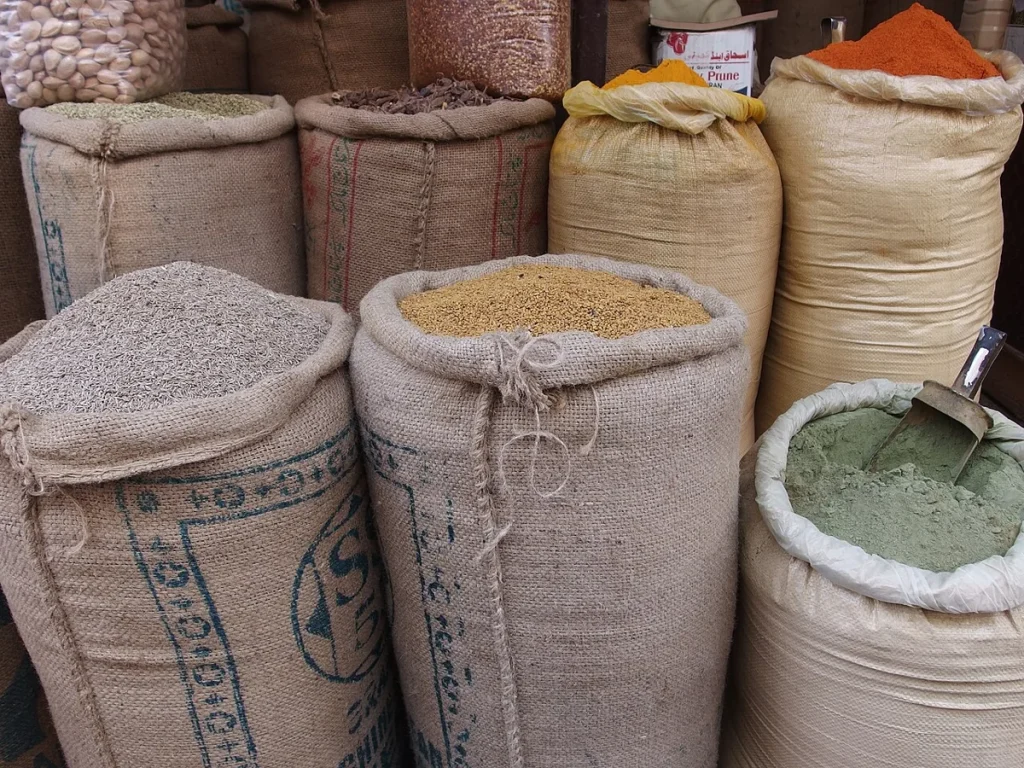
Choose aromatic lacy blades or a freshly packed fine powder. Remove hard shell fragments and distinguish mace from the whole nutmeg seed.
How to cook with it
Use a small blade in biryani, yakhni or a rich meat gravy. Ground mace can season kebab mixtures, custards and baking where a fine texture is wanted.
A small broken piece is often sufficient in a family pot. When grinding, work in tiny batches because the fragrance dissipates faster than in intact blades.
Mace blades vary in size, so a large intact blade can provide much more aroma than a tiny broken piece. Break off what the dish needs rather than insisting on using a whole unit. For a smooth powder blend, remove any hard seed-shell material accidentally mixed into the packet. Mace is especially noticeable in mild dairy-rich preparations. Test a small amount first, and avoid adding nutmeg automatically when the recipe already contains sufficient mace.
Try the ingredient in Nihari. Follow each recipes specified form and quantity, since whole pieces and fine powder season food differently.
For related pantry ingredients, see the Pakistani ingredients and spices guide.
For a fragrant rice stock, infuse a small broken blade with the other whole spices and remove it before serving. For a sweet custard, a very fine powder is easier to disperse, but the quantity needs particular restraint because the dairy base makes the floral warmth conspicuous. Buying blades and grinding only the amount required gives flexibility without keeping a large jar of fading powder.
Nutrition and realistic benefits
At the quantities usually used in a household dish, the main benefit is flavour rather than a large contribution of protein, vitamins or minerals. Composition tables often describe 100 grams, far more than an ordinary serving. A small seasoning quantity should not be advertised as a practical way to meet a daily mineral requirement. Aromatic food can help make simple lentils, vegetables and rice appealing, but the whole meals balance of ingredients, salt and fat still matters.
Disadvantages and precautions
Mace is potent and should stay at ordinary culinary quantities. Do not use it as a sedative or extrapolate supplement and intoxication stories into safe recipe dosing.
Dry spices are not sterile foods. FDA food-safety guidance explains practical handling. Buying from a traceable food supplier is more dependable than trying to judge safety from appearance alone.
Substitutions and storage
A smaller amount of nutmeg is the closest practical alternative. A little cardamom can complement rice, but creates a different aroma rather than duplicating mace.
Keep in a clean, tightly closed food container in a cool dry cupboard, away from the cooker and direct sun. Whole pieces generally retain aroma better than the same spice left ground. Date the jar when opened and buy an amount you can use while fragrant. Crush a small sample periodically: fading aroma means weaker flavour, while dampness, insects or a musty smell are reasons to discard it. Never tip a wet spoon into a dry-spice jar.
Names and forms used in our recipes
View the recipe names covered by this guide
- ground mace
Frequently Asked Questions
Is one whole mace blade a reliable measure?
Mace blades vary in size, so a large intact blade can provide much more aroma than a tiny broken piece. Break off what the dish needs rather than insisting on using a whole unit.
What can I use instead of mace?
A smaller amount of nutmeg is the closest practical alternative. A little cardamom can complement rice, but creates a different aroma rather than duplicating mace.
What is the main caution with mace?
Mace is potent and should stay at ordinary culinary quantities. Do not use it as a sedative or extrapolate supplement and intoxication stories into safe recipe dosing.
Keep Exploring
Related places and stories on DailyLife.pk

How we know this
- Type Explainer
- Sources 4 (1 official/academic)
- Reviewed November 2026
- Disputed points None
4 sources
Photo credits (1)
- Spice market @ Walled City @ Lahore (15449651456).jpg, Guilhem Vellut from Annecy, France, CC BY 2.0, via Wikimedia Commons
